
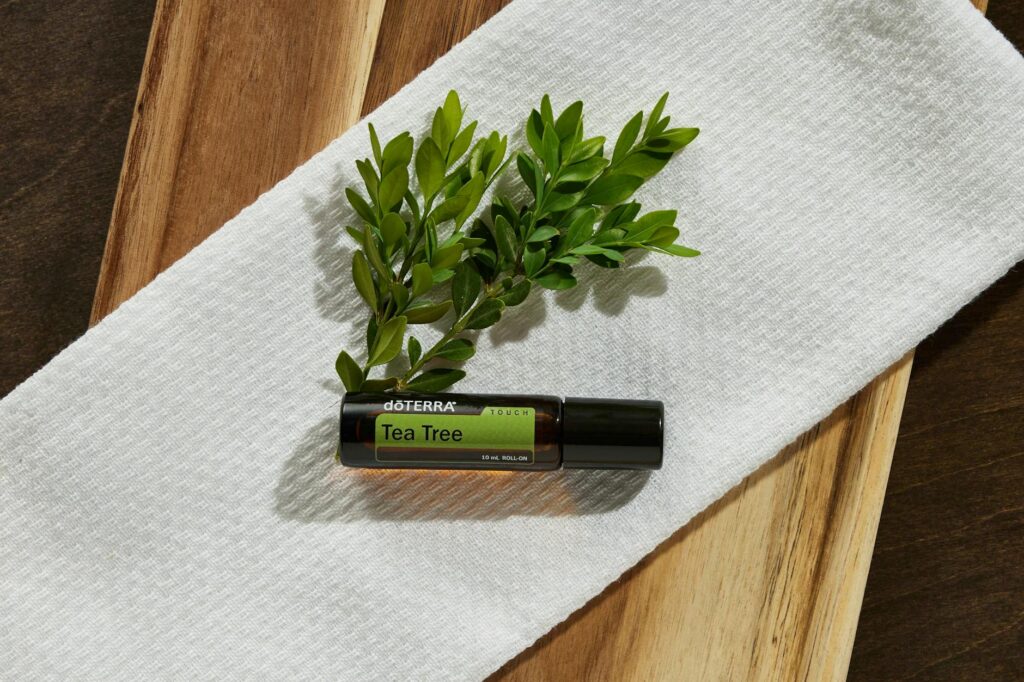
History and Origins of Tea Tree Oil
Introduction
Tea tree oil, derived from the leaves of the Melaleuca alternifolia plant, has garnered significant attention in recent years due to its versatile applications in personal care, household cleaning, and wellness practices. Its rich history and diverse uses highlight the importance of this essential oil in various cultures. This article delves into the origins, properties, and multifaceted applications of tea tree oil, providing an informative overview for enthusiasts and practitioners alike.
What Is Tea Tree Oil?
Tea tree oil is an essential oil obtained through the steam distillation of the leaves of the Melaleuca alternifolia tree, a native plant of Australia. This evergreen tree can grow up to 7 meters tall and features narrow leaves and small white or yellow flowers. The oil is characterized by its strong, medicinal aroma and is typically clear to pale yellow in color.
The history of tea tree oil is deeply intertwined with the indigenous peoples of Australia, who have utilized the leaves of the Melaleuca alternifolia for centuries. Traditionally, the leaves were crushed and applied to cuts, wounds, and skin irritations. The oil’s antibacterial, antifungal, and antiviral properties have made it a staple in both traditional and contemporary practices.
Key Benefits and Properties
Tea tree oil is lauded for its numerous beneficial properties, which include:
- Antimicrobial Activity: Tea tree oil has been shown to possess potent antimicrobial properties, making it effective against a variety of pathogens, including bacteria, fungi, and viruses.
- Anti-inflammatory Properties: The oil may help reduce inflammation, making it beneficial for conditions characterized by redness and swelling.
- Analgesic Effects: Tea tree oil is often used for its potential pain-relieving properties, which can help alleviate discomfort associated with skin irritations.
- Antiseptic Qualities: The oil’s antiseptic properties make it a popular choice for cleansing and disinfecting minor cuts and abrasions.
- Skin Care: Due to its antibacterial and anti-inflammatory properties, tea tree oil is commonly found in acne treatments, moisturizers, and other skin care formulations.
- Hair Care: The oil is often included in shampoos and conditioners for its ability to help with dandruff and promote a healthy scalp.
- Household Cleaning: Tea tree oil’s antimicrobial properties make it a popular ingredient in natural cleaning products, effective for disinfecting surfaces.
- Aromatherapy: When used in diffusers or topical applications, tea tree oil can create a calming atmosphere and may help improve respiratory health.
- Diffusion: When diffused, tea tree oil can purify the air, creating a refreshing environment that may help with mental clarity.
- Topical Application: Mixed with a carrier oil, tea tree oil can be applied to targeted areas for relief from skin irritations or muscle discomfort.
- Bath Additive: Adding a few drops of tea tree oil to a warm bath can provide a soothing experience, potentially relieving stress and promoting relaxation.
- Inhalation: Inhalation of tea tree oil vapors, whether from a diffuser or steam bowl, can support respiratory health and provide a sense of rejuvenation.
- Dilution: Tea tree oil is highly concentrated and should always be diluted with a carrier oil before applying it to the skin to avoid irritation or allergic reactions.
- Patch Test: It is advisable to perform a patch test before using tea tree oil on larger areas of the skin to ensure no adverse reactions occur.
- Not for Ingestion: Tea tree oil is not intended for internal use, as it can be toxic if ingested.
- Children and Pets: Caution is recommended when using tea tree oil around children and pets, as they may be more sensitive to essential oils.
- Consultation: Individuals with sensitive skin or specific health concerns should consult a qualified practitioner before using tea tree oil.
- Container: Store tea tree oil in a dark glass bottle to protect it from light, which can degrade the oil’s quality over time.
- Temperature: Keep the oil in a cool, dry place away from direct sunlight and heat sources.
- Shelf Life: When stored correctly, tea tree oil typically has a shelf life of 1 to 2 years. Signs of spoilage include changes in color, odor, or viscosity.
These properties contribute to tea tree oil’s effectiveness in various applications, from personal care products to household cleaners.
Common Uses
Tea tree oil is widely used in a range of products and practices, including:
Aromatherapy Applications
In aromatherapy, tea tree oil is valued not only for its therapeutic properties but also for its invigorating scent. Some common applications include:
It is important to note that essential oils, including tea tree oil, should be used mindfully and in moderation to achieve the desired benefits.
Safety Considerations
While tea tree oil is generally considered safe for topical use, there are some precautions to keep in mind:
Storage and Shelf Life
To maintain the quality and efficacy of tea tree oil, proper storage is essential:
Frequently Asked Questions
1. Can I use tea tree oil directly on my skin?
While some people use tea tree oil directly on their skin, it is advisable to dilute it with a carrier oil to minimize the risk of irritation.
2. How does tea tree oil compare to other essential oils?
Tea tree oil is unique due to its specific combination of antimicrobial and anti-inflammatory properties, making it particularly effective for skin care compared to other essential oils.
3. Can tea tree oil help with acne?
Tea tree oil’s antibacterial and anti-inflammatory properties may help reduce acne, but results can vary from person to person.
4. Is tea tree oil safe for children?
Caution is recommended when using tea tree oil with children. It is important to dilute it appropriately and consult a healthcare provider if unsure.
5. How can I incorporate tea tree oil into my cleaning routine?
Tea tree oil can be added to homemade cleaning solutions, such as all-purpose cleaners or laundry detergents, to enhance their antimicrobial properties.
Conclusion
The history and origins of tea tree oil reveal a rich tapestry of traditional use and modern applications. From its ancient roots among the indigenous peoples of Australia to its widespread recognition today, tea tree oil continues to be a versatile and valuable essential oil. With its multitude of benefits, safety considerations, and various applications in aromatherapy and beyond, tea tree oil remains a significant component of natural health and wellness practices. As with any essential oil, education and responsible use are key to harnessing its potential effectively.