
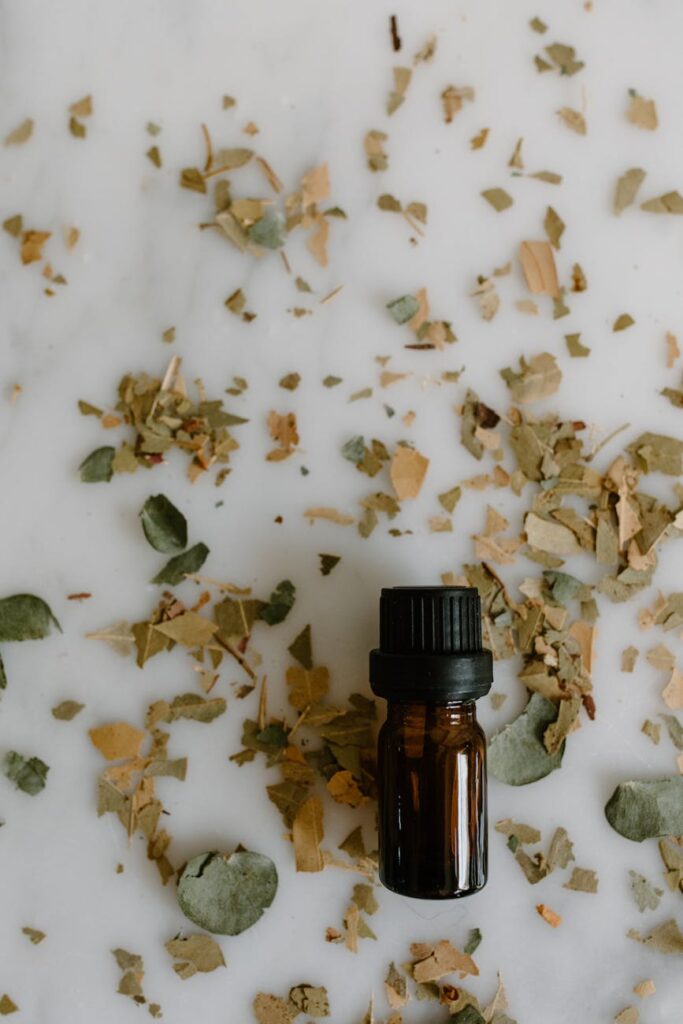
History and Origins of Thyme Oil Safety
Introduction
Thyme oil, derived from the leaves of the Thymus vulgaris plant, has been utilized for centuries in various cultures for its aromatic and therapeutic properties. Renowned for its distinctive scent and potential benefits, thyme oil’s history is intertwined with human civilization, spanning ancient cultures to modern times. This article explores the historical origins of thyme oil, its safety considerations, and its applications in aromatherapy and beyond.
What Is Thyme Oil Safety?
Thyme oil safety refers to the precautions and guidelines necessary to ensure the safe use of this essential oil. Although thyme oil is generally regarded as safe when used appropriately, understanding the potential risks, dilution requirements, and individual responses is crucial for optimal safety. Proper education about thyme oil’s properties and applications can help users avoid adverse effects, ensuring a beneficial experience.
Key Benefits and Properties
Thyme oil is renowned for its rich composition, which includes various active compounds such as thymol, carvacrol, and linalool. These constituents contribute to its therapeutic benefits, including:
- Antimicrobial Properties: Thyme oil has demonstrated effectiveness against a range of bacteria and fungi, making it a popular choice for natural cleaning solutions and skin care formulations.
- Antioxidant Activity: The oil contains antioxidants that can help combat oxidative stress in the body, supporting overall health.
- Anti-inflammatory Effects: Some studies suggest that thyme oil may help reduce inflammation, which can be beneficial in various contexts.
- Respiratory Support: Due to its aromatic profile, thyme oil is often used in inhalation therapies to help support respiratory health.
- Culinary Enhancements: In cooking, thyme is a popular herb. Thyme oil can be used sparingly to enhance flavor in dishes, although it is more concentrated than the dried herb.
- Household Cleaning Products: Its antimicrobial properties make thyme oil a valuable ingredient in natural cleaning products.
- Personal Care Products: Thyme oil is found in various personal care items, including soaps, shampoos, and lotions, valued for its fragrance and potential skin benefits.
- Inhalation and Diffusion: Many use thyme oil in aromatherapy diffusers or steam inhalation for its aromatic properties.
- Enhance Focus and Clarity: The invigorating scent of thyme oil may help boost concentration and mental clarity, making it a popular choice for study or work environments.
- Promote Emotional Balance: Thyme oil is used to support emotional well-being, helping to reduce feelings of fatigue or lethargy.
- Create Invigorating Atmospheres: Its refreshing aroma can uplift mood and energize spaces, making it suitable for use in areas where productivity is desired.
- Dilution: Essential oils should always be diluted before topical application to prevent skin irritation. A common dilution ratio is 1-2% for adults, which translates to about 1-2 drops of thyme oil per teaspoon of carrier oil.
- Skin Sensitivity: Conduct a patch test before using thyme oil on larger areas of the skin. Apply a diluted drop on a small patch of skin and observe for any adverse reactions over 24 hours.
- Allergies: Individuals with known allergies to thyme or other members of the Lamiaceae family should avoid thyme oil.
- Pregnancy and Nursing: Pregnant and nursing individuals should consult with a healthcare professional before using thyme oil, as some essential oils can have contraindications.
- Age Considerations: Thyme oil may not be suitable for young children or infants. Consult with a qualified practitioner for guidance on age-appropriate usage.
- Medical Conditions: Those with specific medical conditions or who are on medication should seek professional advice before incorporating thyme oil into their wellness routine.
- Cool, Dark Place: Store thyme oil in a cool, dark place away from direct sunlight, heat, and humidity. A cabinet or drawer is often ideal.
- Tight Seal: Ensure the bottle is tightly sealed to prevent the oil from oxidizing or evaporating.
- Glass Containers: Choose dark glass bottles for storage, as they help protect the oil from light exposure.
Common Uses
Thyme oil has a wide array of applications, ranging from culinary uses to personal care products. Here are some common uses:
Aromatherapy Applications
In the realm of aromatherapy, thyme oil is prized for its stimulating and grounding effects. It is believed to:
To use thyme oil in aromatherapy, it can be diffused, inhaled directly, or added to carrier oils for topical application, always considering safety guidelines.
Safety Considerations
While thyme oil offers numerous benefits, safety considerations are paramount. Here are key points to keep in mind:
Storage and Shelf Life
To maintain the integrity and efficacy of thyme oil, proper storage is essential. Here are some storage tips:
The shelf life of thyme oil can vary based on factors such as storage conditions and the quality of the oil. Generally, high-quality essential oils can last from 1 to 3 years when stored properly. However, always check for any changes in aroma, color, or consistency before use.
Frequently Asked Questions
1. Can thyme oil be ingested?
While some essential oils are considered safe for internal use, thyme oil should only be ingested under the guidance of a qualified healthcare professional.
2. Is thyme oil safe for children?
Thyme oil should be used with caution around children. Dilution is essential, and consulting with a healthcare provider is recommended.
3. How can I use thyme oil in a diffuser?
Add a few drops of thyme oil to your diffuser’s water reservoir, following the manufacturer’s instructions for the appropriate amount of essential oil.
4. Can thyme oil be used on the skin?
Yes, thyme oil can be used on the skin, but always dilute it with a carrier oil first to prevent irritation.
5. What should I do if I experience an adverse reaction?
If you experience any adverse reactions such as irritation or allergic response, discontinue use immediately and consult a healthcare professional.
6. How do I know if my thyme oil is of good quality?
Look for oils that are labeled as 100% pure, and check for certifications or third-party testing to ensure quality and authenticity.
Conclusion
Thyme oil has a rich historical tapestry woven through ancient practices and modern applications. As with all essential oils, understanding its properties, benefits, and safety considerations is crucial for responsible and effective use. Whether enjoyed through culinary applications, aromatherapy, or personal care products, thyme oil can be a valuable addition to wellness routines when used with care. By following safety guidelines and respecting its potency, users can fully appreciate the many gifts that thyme oil has to offer.