
History and Origins of Valerian Extract
Introduction
Valerian extract, derived from the roots of the Valeriana officinalis plant, has a rich history that spans centuries and cultures. Known for its calming properties, this botanical has been utilized in traditional medicine and aromatherapy as a natural remedy for various ailments. In this article, we will explore the origins of valerian extract, its key benefits, common uses, and safety considerations, providing a comprehensive overview of this intriguing plant.
What Is Valerian Extract?
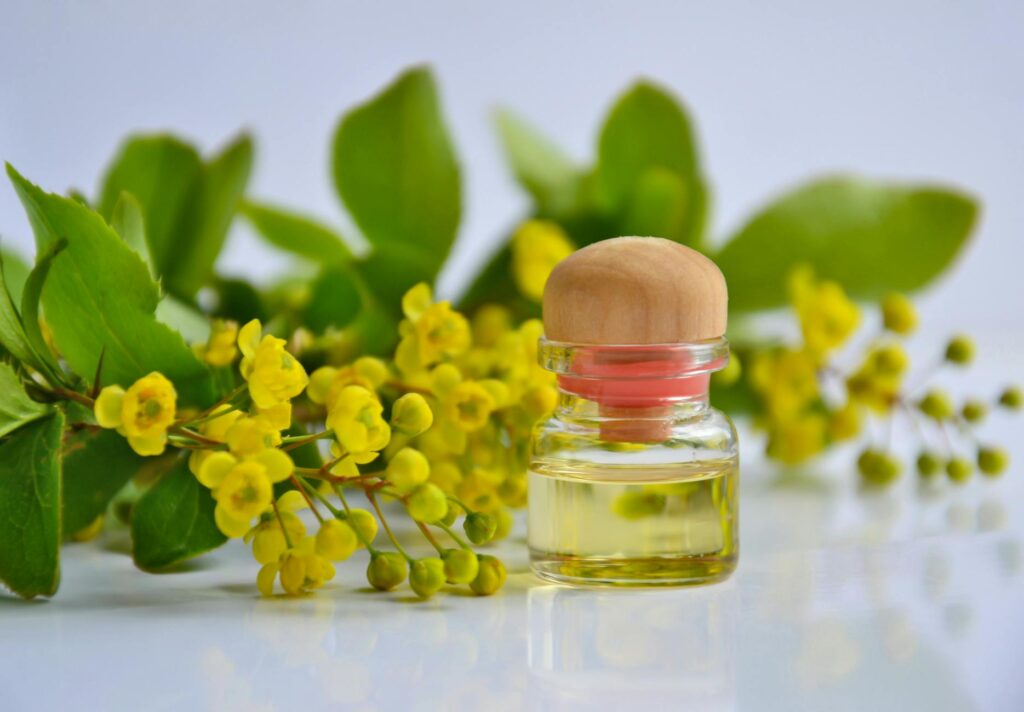
Valerian extract is obtained from the roots of the valerian plant, a perennial flowering herb native to Europe and parts of Asia. The plant typically grows in moist environments, often in meadows, woodland edges, and near water bodies. Valerian is characterized by its tall stems, feathery leaves, and clusters of small, fragrant flowers, which bloom in shades of white to pale pink.
The roots of the valerian plant are the primary source of the extract, rich in various active compounds, including valerenic acid, valepotriates, and other volatile oils. These constituents contribute to the extract’s sedative and calming effects, making it a popular choice for those seeking natural relaxation aids.
Key Benefits and Properties
Valerian extract is renowned for its potential benefits, many of which have been documented through both traditional use and scientific research. Some of its key properties include:
- Sedative Effects: Valerian is commonly associated with promoting relaxation and sleep. The extract may help reduce the time it takes to fall asleep and improve sleep quality.
- Anxiolytic Properties: This extract may alleviate feelings of anxiety and stress, making it a suitable option for individuals seeking natural methods for managing nervous tension.
- Muscle Relaxation: Valerian has been reported to have muscle-relaxing properties, which can be beneficial for those experiencing tension or discomfort.
- Digestive Support: Historically, valerian has also been used to support digestive health, particularly in alleviating symptoms like bloating and cramping.
- Sleep Aids: Valerian is widely recognized as a natural remedy for insomnia and sleep disturbances. It is often taken before bedtime to promote relaxation and enhance sleep quality.
- Anxiety Relief: Many people turn to valerian extract for its potential calming effects during periods of heightened stress or anxiety.
- Stress Management: Its soothing properties make it a popular choice for individuals looking to manage stress in their daily lives.
- Muscle Tension Relief: Valerian extract may be used to alleviate muscle tension resulting from stress or overexertion.
- Digestive Health: Valerian has been historically utilized to support digestive function and alleviate discomfort associated with gastrointestinal issues.
- Allergic Reactions: Some individuals may experience allergic reactions to valerian. It is advisable to conduct a patch test before applying any valerian oil to the skin.
- Interactions with Medications: Valerian may interact with certain medications, especially those that have sedative effects. Individuals taking prescription medications should consult with a healthcare professional before incorporating valerian extract into their routine.
- Pregnancy and Lactation: The safety of valerian extract during pregnancy and lactation has not been extensively studied. Pregnant or breastfeeding women should seek guidance from a healthcare provider before using valerian.
- Drowsiness: Due to its sedative properties, valerian extract may cause drowsiness. Individuals planning to drive or operate machinery should exercise caution after using valerian.
- Long-term Use: The long-term effects of valerian extract are not well understood. It is recommended to use it intermittently and not as a long-term solution for sleep or anxiety issues.
- Temperature: Store valerian extract in a cool, dry place away from direct sunlight and heat sources.
- Container: Keep the extract in its original container or transfer it to a dark glass bottle to protect it from light exposure.
- Shelf Life: While the shelf life of valerian extract can vary based on the form and manufacturer, it is generally recommended to use it within 1 to 2 years for optimal efficacy.
Although many individuals report positive effects from valerian extract, it is essential to approach its use with awareness and caution, as responses can vary.
Common Uses
Valerian extract has been employed in various forms, including tinctures, capsules, teas, and essential oils. Some of the most common uses include:
Aromatherapy Applications
In aromatherapy, valerian essential oil is often used to promote relaxation and tranquility. The oil can be diffused into the air, applied topically (when diluted), or added to bathwater. Its earthy, slightly sweet aroma is soothing and grounding, making it a valuable addition to relaxation blends.
Diffusion
When used in a diffuser, valerian oil can create a calming atmosphere in any space. This is particularly beneficial in environments where stress and anxiety may be prevalent, such as workplaces or during stressful situations.
Topical Application
For topical use, valerian oil should always be diluted with a carrier oil, such as jojoba or almond oil, to prevent skin irritation. Once appropriately diluted, it can be massaged into areas of tension or blended with other essential oils to enhance relaxation.
Bath Soak
Adding a few drops of valerian oil to a warm bath can create a tranquil experience, promoting relaxation and ease after a long day.
Safety Considerations
While valerian extract is generally considered safe for most individuals when used as directed, there are several important safety considerations to keep in mind:
Storage and Shelf Life
To maintain the potency and quality of valerian extract, proper storage is essential. Here are some guidelines for storage:
Frequently Asked Questions
1. Is valerian extract safe for children?
Valerian extract is generally not recommended for children without the guidance of a healthcare professional. Always consult with a qualified practitioner before administering any herbal remedies to children.
2. Can I take valerian extract with other supplements?
While valerian may be taken with other herbal supplements, caution is advised due to potential interactions. It is best to consult with a healthcare professional to avoid adverse effects.
3. How long does it take for valerian extract to work?
The effects of valerian extract can vary among individuals. Some may experience calming effects within 30 minutes, while others may require consistent use over several days to see results.
4. Can I use valerian extract daily?
While many people use valerian extract daily for sleep or relaxation, it is advisable to take breaks and not use it continuously for extended periods. Consulting with a healthcare provider for personalized recommendations is recommended.
5. Does valerian extract have any side effects?
Common side effects of valerian extract may include drowsiness, headaches, or gastrointestinal discomfort. If any adverse reactions occur, discontinue use and consult a healthcare professional.
Conclusion
Valerian extract boasts a rich history and a variety of potential benefits that have made it a staple in traditional herbal medicine and modern aromatherapy. While it may offer calming and relaxing effects, it is essential to use valerian with mindfulness and caution, considering individual health circumstances and potential interactions. By understanding its origins, uses, and safety considerations, individuals can make informed choices about incorporating valerian extract into their wellness routines.