
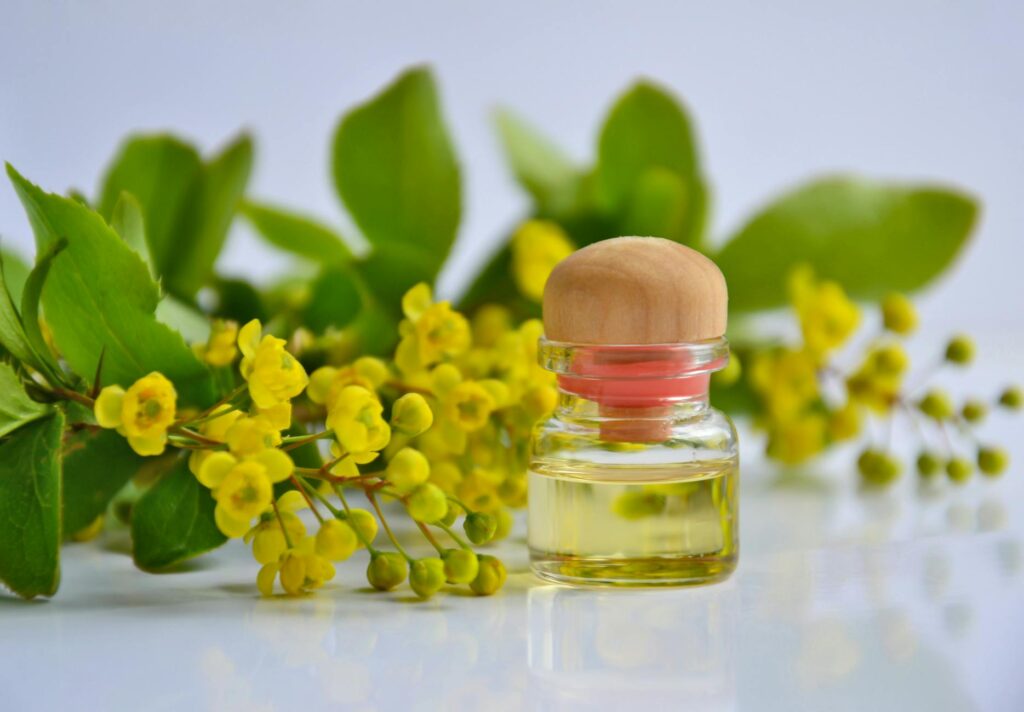
History and Origins of Walnut Oil
Introduction
Walnut oil, derived from the seeds of the walnut tree (Juglans regia), has a rich history that dates back thousands of years. Renowned for its culinary uses, this oil also holds significance in traditional medicine, cosmetics, and aromatherapy. Understanding the origins and historical context of walnut oil enhances our appreciation for its versatility and benefits. In this article, we will explore the characteristics of walnut oil, its benefits, common uses, and applications in aromatherapy, as well as important safety considerations.
What Is Walnut Oil?
Walnut oil is a type of vegetable oil extracted from the seeds or nuts of the walnut tree, predominantly found in regions like Europe, Asia, and North America. The oil can be obtained through cold pressing or refining, resulting in two primary types: refined and unrefined. Unrefined walnut oil retains its natural flavor and nutritional properties, while refined oil has a lighter taste and a higher smoke point, making it suitable for cooking at higher temperatures.
The characteristic flavor of walnut oil is warm and nutty, making it a favored ingredient in salad dressings, sauces, and baked goods. The oil is rich in essential fatty acids, particularly omega-3 and omega-6, which contribute to its nutritional profile.
Key Benefits and Properties
Walnut oil is celebrated not only for its culinary applications but also for its health benefits and properties:
1. Nutritional Value: Walnut oil is a source of essential fatty acids, particularly alpha-linolenic acid (ALA), which is an omega-3 fatty acid. It also contains omega-6 fatty acids, vitamins E and K, and various antioxidants.
2. Anti-Inflammatory Properties: The oil may possess anti-inflammatory properties due to the presence of omega fatty acids, which can contribute to overall health and wellness.
3. Skin Health: Walnut oil is often used in cosmetic formulations for its moisturizing and nourishing properties. It is suitable for various skin types and can help improve skin elasticity and hydration.
4. Culinary Versatility: With its unique flavor profile, walnut oil is often used in gourmet cooking. It can enhance the taste of salads, pasta, and roasted vegetables, making it a favored choice among chefs.
Common Uses
Walnut oil has a wide range of applications across different domains:
Culinary Uses
- Salad Dressings: Its rich flavor makes walnut oil a popular choice for salad dressings, often combined with vinegar and herbs.
- Cooking: Although the oil has a lower smoke point than some oils, it can still be used for sautéing and drizzling over finished dishes to enhance flavor.
- Baking: Walnut oil can be incorporated into baked goods for added richness and moisture.
- Moisturizers: Due to its emollient properties, walnut oil is often used in lotions, creams, and serums.
- Massage Oil: Its smooth texture makes it suitable for massage oils, providing hydration while allowing for easy application.
- Digestive Health: Traditionally, walnut oil has been used to support digestive health due to its high fiber content when consuming whole walnuts.
- Skin Conditions: Historically, it has been applied to soothe skin irritations and conditions.
- Massage: Walnut oil can be blended with essential oils for a soothing massage experience, helping to promote relaxation and relieve tension.
- Diffusion: While walnut oil itself does not have a strong aroma, it can be used to dilute essential oils that are then added to diffusers.
- Temperature: Store walnut oil in a cool, dark place, ideally in a refrigerator to prolong its shelf life.
- Containers: Use dark glass bottles to protect the oil from light exposure.
- Shelf Life: Unrefined walnut oil typically has a shelf life of 6 to 12 months, while refined walnut oil can last longer, up to 2 years. Always check for signs of rancidity, such as an off smell or taste.
Cosmetic Uses
Traditional Medicine
In various cultures, walnut oil has been used in traditional medicine. Its historical applications include:
Aromatherapy Applications
In aromatherapy, walnut oil is not commonly used as an essential oil but serves as a carrier oil for diluting essential oils. Its properties make it suitable for various aromatic applications, including:
Safety Considerations
While walnut oil is generally considered safe for most people, certain precautions should be taken:
1. Allergic Reactions: Individuals with nut allergies should avoid walnut oil, as it may trigger allergic reactions. Always conduct a patch test before using it on the skin.
2. Storage: Store walnut oil in a cool, dark place to prevent it from going rancid. Exposure to light and heat can deteriorate the quality of the oil.
3. Consultation: Always consult with a healthcare professional before incorporating walnut oil into your diet or skincare routine, especially if you have existing health conditions or are pregnant or nursing.
Storage and Shelf Life
Proper storage of walnut oil is crucial to maintaining its quality. Here are some guidelines:
Frequently Asked Questions
1. Can walnut oil be used for cooking?
Yes, walnut oil can be used for cooking, particularly in dressings and low-heat applications. However, it has a lower smoke point than many other oils, so caution is advised when using it for frying or high-heat cooking.
2. Is walnut oil suitable for all skin types?
Walnut oil is generally suitable for various skin types, but individuals with nut allergies should avoid it. It is recommended to perform a patch test before applying it widely on the skin.
3. How does walnut oil compare to other oils?
Walnut oil is unique due to its high content of omega-3 fatty acids, which sets it apart from many other cooking oils. It also has a distinct flavor profile that enhances dishes differently than oils like olive or canola.
4. Can walnut oil go bad?
Yes, walnut oil can go rancid, especially if not stored properly. Signs of spoilage include an unpleasant odor, off-taste, or changes in appearance. It’s best to store it in a cool, dark place and use it within its recommended shelf life.
5. What is the best way to use walnut oil in aromatherapy?
While walnut oil is primarily a carrier oil, it can be blended with essential oils for massage or diluted in a diffuser. Its moisturizing properties make it an excellent choice for enhancing the benefits of aromatic applications.
Conclusion
Walnut oil’s rich history and diverse applications make it a valuable addition to culinary, cosmetic, and therapeutic practices. From its ancient origins to modern-day uses, walnut oil continues to be appreciated for its nutritional benefits and versatility. By understanding its properties, benefits, and safe usage, individuals can incorporate walnut oil into their lives while enjoying its unique flavor and potential advantages.