
History and Origins of Wintergreen Oil Safety
Introduction
Wintergreen oil, derived from the leaves of the Gaultheria procumbens plant, has a rich history steeped in traditional use and cultural significance. Known for its distinctive minty aroma and potential therapeutic properties, wintergreen oil has gained popularity in aromatherapy and personal care products. However, understanding the safety aspects surrounding its use is crucial for anyone interested in exploring this essential oil. This article delves into the historical context, safety measures, and practical applications of wintergreen oil, ensuring a comprehensive understanding of its origins and safe use.
What Is Wintergreen Oil Safety?
Wintergreen oil is an essential oil extracted primarily from the leaves of the wintergreen plant, which is native to North America. The oil contains high levels of methyl salicylate, a compound that imparts the characteristic scent and is responsible for many of the oil’s properties. Wintergreen oil safety encompasses the best practices for using this oil, including proper dilution, potential contraindications, and storage methods to prevent degradation or adverse reactions.
Key Benefits and Properties
Wintergreen oil is celebrated for its numerous benefits, which include:
1. Natural Analgesic: The presence of methyl salicylate provides wintergreen oil with anti-inflammatory and pain-relieving properties, making it popular among athletes and individuals seeking relief from muscle and joint pain.
2. Antiseptic Qualities: Some studies suggest that wintergreen oil has antiseptic properties, which can help in minimizing the risk of infections when applied topically.
3. Aromatherapeutic Effects: The invigorating scent of wintergreen oil is believed to enhance mood, reduce stress, and promote mental clarity, making it a favored choice in aromatherapy.
4. Respiratory Support: Inhalation of wintergreen oil is thought to assist in clearing the respiratory tract, making it beneficial during cold and flu seasons.
5. Digestive Aid: Historically, wintergreen has been used to aid digestion, although this application is less common in contemporary practices.
Common Uses
Wintergreen oil is a versatile oil with a wide range of applications, including:
- Topical Applications: Often diluted in carrier oils, wintergreen oil is commonly found in muscle rubs and ointments designed for localized pain relief.
- Aromatherapy: Used in diffusers and blends, wintergreen oil adds a refreshing scent that can uplift the atmosphere of any space.
- Personal Care Products: Due to its pleasant fragrance and potential antiseptic properties, wintergreen oil is included in various personal care formulations, such as soaps, lotions, and mouthwashes.
- Household Cleaner: Its antibacterial properties make it a potential ingredient in natural cleaning products.
- Stress Relief: When combined with other essential oils like lavender or eucalyptus, wintergreen can help alleviate stress and anxiety.
- Mental Clarity: Inhaling wintergreen oil may assist in enhancing focus during study or work sessions.
- Post-Workout Recovery: Diffusing wintergreen oil after physical exertion can create an uplifting environment, promoting relaxation and recovery.
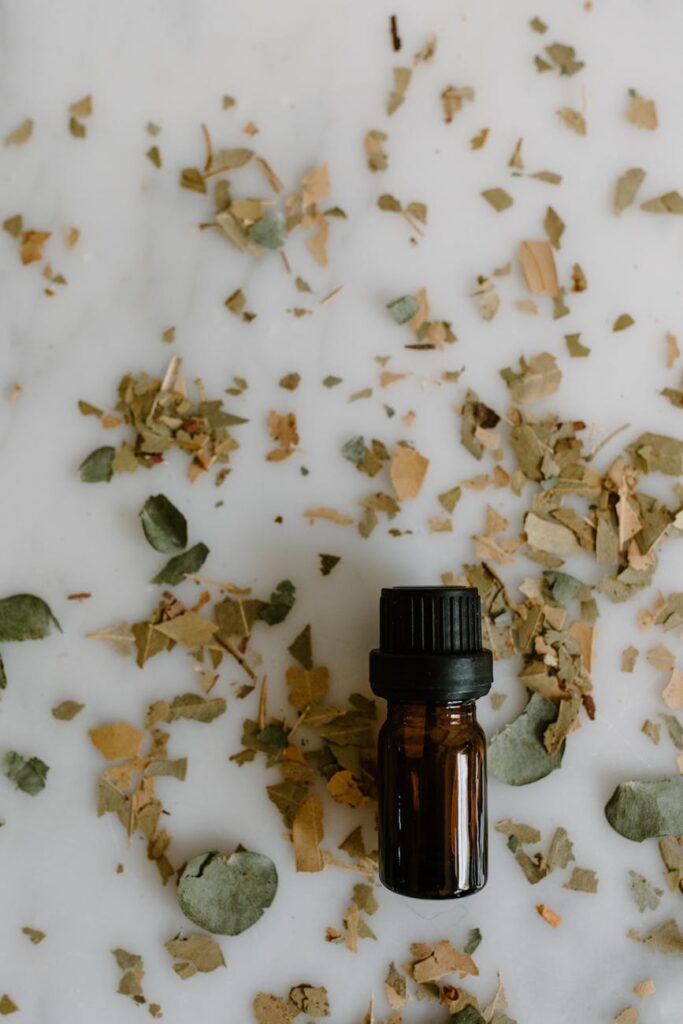
- Storage Conditions: Keep wintergreen oil in a cool, dark place away from direct sunlight. A dark glass bottle helps protect the oil from light exposure.
- Shelf Life: Typically, essential oils have a shelf life of 1-3 years, depending on their storage conditions. Wintergreen oil, when stored properly, can last up to three years. However, always check for any changes in aroma or consistency before use, as these can indicate degradation.
Aromatherapy Applications
In aromatherapy, wintergreen oil is often utilized for its invigorating and refreshing properties. When diffused, it can create an atmosphere of alertness and energy. Here are a few common applications:
Safety Considerations
While wintergreen oil has many benefits, safety is paramount in its use. Here are essential safety considerations:
1. Dilution: Due to its potency, wintergreen oil should always be diluted with a carrier oil before topical application. A common ratio is 2-3 drops of wintergreen oil per teaspoon of carrier oil.
2. Skin Sensitivity: Perform a patch test when using wintergreen oil for the first time to check for any adverse skin reactions.
3. Ingestion: Wintergreen oil is not recommended for internal use without the guidance of a qualified practitioner. Ingesting large amounts of methyl salicylate can lead to toxicity.
4. Pregnancy and Nursing: Pregnant or nursing individuals should consult a healthcare professional before using wintergreen oil, as its effects during these periods are not well established.
5. Children and Pets: Keep wintergreen oil out of reach of children and pets. Its use around pets should be approached with caution, as some essential oils can be toxic to animals.
6. Pre-existing Conditions: Individuals with certain medical conditions, particularly those related to the liver or kidneys, should consult a healthcare professional before using wintergreen oil.
Storage and Shelf Life
Proper storage is vital to maintaining the quality and efficacy of wintergreen oil. Here are some guidelines:
Frequently Asked Questions
1. Can wintergreen oil be used in cooking?
Wintergreen oil is not recommended for culinary use due to its high concentration of methyl salicylate, which can be toxic in large amounts.
2. Is wintergreen oil safe for children?
Caution is advised when using wintergreen oil around children. It is crucial to consult a healthcare professional before use, especially for topical applications.
3. How can I incorporate wintergreen oil into my skincare routine?
Wintergreen oil can be added to DIY skincare recipes, such as lotions or balms, but always ensure it is properly diluted in a carrier oil.
4. Can wintergreen oil be used in a diffuser?
Yes, wintergreen oil can be used in a diffuser. It blends well with other essential oils like peppermint or eucalyptus for a refreshing aroma.
5. What should I do if I experience a reaction to wintergreen oil?
If you experience any adverse reactions, discontinue use immediately and consult a healthcare professional for guidance.
Conclusion
Wintergreen oil offers a fascinating blend of historical significance and modern applications, making it a valuable addition to the world of essential oils. Understanding its safety considerations is paramount for anyone wishing to explore its uses. With proper knowledge and respect for its potency, wintergreen oil can enhance well-being and enrich aromatherapy practices while ensuring safe and effective use. As with any essential oil, informed usage is key to enjoying its benefits while minimizing risks.