
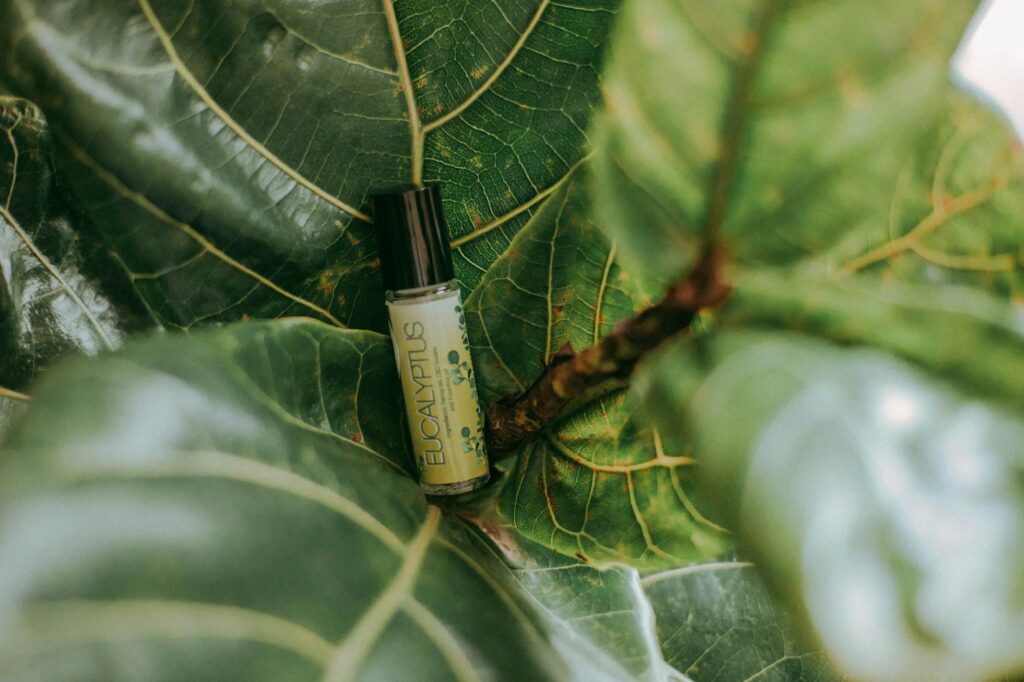
History and Origins of Woodsy Extracts
Introduction
Woodsy extracts, often derived from trees and woody plants, hold a unique place in the world of essential oils and aromatherapy. Their rich, earthy scents evoke a sense of grounding and connection to nature. This article delves into the historical origins of woodsy extracts, their properties, common uses, and applications in aromatherapy. By exploring these aspects, we can gain a deeper understanding of how these extracts have been utilized across cultures and time periods.
What Is Woodsy Extracts?
Woodsy extracts refer to essential oils that are extracted from the wood, bark, and sometimes leaves of trees and shrubs. Common sources include cedarwood, sandalwood, pine, and fir. These extracts are characterized by their deep, rich aromas, often reminiscent of forests and natural landscapes. The extraction methods for these oils typically include steam distillation, solvent extraction, or cold pressing, depending on the type of material being processed.
Woodsy extracts are part of a broader category of essential oils, which includes floral, citrus, herbaceous, and spicy scents. Each category offers distinct olfactory profiles and potential benefits, but woodsy extracts are particularly celebrated for their grounding and calming properties.
Key Benefits and Properties
Woodsy extracts possess a variety of beneficial properties, largely attributed to their chemical composition. Some of the most notable benefits include:
1. Calming and Grounding: The earthy aromas of woodsy extracts are known to promote a sense of stability and tranquility. They can help alleviate stress and anxiety by creating a peaceful atmosphere.
2. Antiseptic and Anti-inflammatory: Certain woodsy oils, such as cedarwood and sandalwood, have been recognized for their antiseptic and anti-inflammatory properties. These attributes make them suitable for topical applications in various cosmetic formulations.
3. Mood Enhancement: The scent of woodsy extracts can enhance mood and emotional well-being. They are often used in diffusers or personal inhalers to help uplift spirits and foster relaxation.
4. Insect Repellent: Some woodsy extracts, like cedarwood, have natural insect-repelling qualities, making them useful in natural pest control.
5. Aphrodisiac Properties: Certain woods, particularly sandalwood, are traditionally believed to possess aphrodisiac properties, enhancing sensuality and intimacy.
Common Uses
Woodsy extracts have a wide range of applications in various sectors, including:
- Aromatherapy: Used in diffusers, personal inhalers, and massage oils to promote emotional well-being and relaxation.
- Cosmetics and Skincare: Incorporated into lotions, creams, and soaps for their soothing and aromatic qualities.
- Household Products: Found in natural cleaning products and air fresheners for their pleasant scent and potential antimicrobial properties.
- Spiritual Practices: Utilized in meditation and spiritual rituals, woodsy extracts are often burned as incense or used in sacred oils.
- Dilution: Always dilute essential oils before applying them to the skin. A standard dilution ratio is 1-2% for adults, depending on the oil’s potency.
- Patch Test: Conduct a patch test before using a new essential oil to check for any allergic reactions or sensitivities.
- Avoid During Pregnancy: Some woodsy oils may not be suitable for pregnant women, so it is advisable to consult with a qualified professional before use.
- Consult Professionals: If using woodsy extracts for therapeutic purposes, consult a qualified aromatherapist or healthcare provider for tailored advice.
- Keep in Dark Bottles: Store essential oils in dark glass bottles to protect them from light exposure, which can degrade their quality.
- Cool, Dry Place: Keep oils in a cool, dry environment, away from heat sources and humidity to prevent degradation.
- Check Expiration Dates: Essential oils have a shelf life, usually ranging from 1 to 3 years, depending on the oil. Regularly check for any changes in aroma, color, or consistency.
Aromatherapy Applications
In aromatherapy, woodsy extracts are highly valued for their calming and grounding effects. Here are some common applications:
1. Diffusion: Woodsy oils can be added to a diffuser to create a serene environment. Blending them with citrus or floral oils can enhance the overall aroma and therapeutic effects.
2. Massage Oils: When combined with carrier oils, woodsy extracts can be used in massage therapy to promote relaxation and ease muscle tension.
3. Bath Products: Adding a few drops of woodsy essential oil to bath water can create a soothing and aromatic experience, helping to relieve stress and promote relaxation.
4. Meditation: Woodsy scents are often used during meditation practices to create a calming atmosphere. They can aid in centering the mind and promoting a deeper connection with nature.
Safety Considerations
While woodsy extracts are generally considered safe for use in aromatherapy, it is essential to follow specific safety guidelines:
Storage and Shelf Life
Proper storage is crucial for maintaining the quality and potency of woodsy extracts. Here are some recommendations:
Frequently Asked Questions
What are some popular woodsy essential oils?
Some widely recognized woodsy essential oils include cedarwood, sandalwood, pine, fir, and patchouli. Each offers unique benefits and aromatic profiles.
Can woodsy extracts be used in cooking?
While some essential oils are safe for culinary use, many woodsy extracts are not intended for ingestion. Always check for food-grade quality before considering any essential oil for culinary applications.
Are woodsy oils safe for children?
While some woodsy oils can be safe for children when appropriately diluted, it is essential to consult a qualified aromatherapist or healthcare provider for guidance tailored to age and specific needs.
How can I blend woodsy extracts with other essential oils?
Woodsy extracts blend well with citrus, floral, and herbaceous oils. Experimenting with different combinations can help create personalized scents that suit individual preferences.
Do woodsy extracts have any spiritual significance?
Many cultures view woodsy extracts as sacred, using them in rituals and spiritual practices. Their grounding properties make them ideal for meditation and connecting with nature.
Conclusion
The history and origins of woodsy extracts reveal a rich tapestry of cultural significance and practical uses. From promoting emotional well-being to enhancing spiritual practices, these oils continue to play a vital role in modern aromatherapy. As we explore the diverse applications and benefits of woodsy extracts, we can appreciate their enduring connection to nature and the human experience.