
History and Origins of Ylang Ylang Oil Safety
Introduction
Ylang ylang oil, derived from the flowers of the Cananga odorata tree, is renowned for its rich floral scent and numerous applications in perfumery and aromatherapy. The journey of ylang ylang oil begins in Southeast Asia, particularly in the Philippines, Indonesia, and the Comoros Islands, where the tree flourishes in tropical climates. While the aromatic and therapeutic properties of ylang ylang are celebrated, it is equally important to understand the safety aspects associated with its use. This article explores the history, origins, and safety considerations of ylang ylang oil, providing a comprehensive overview for enthusiasts and practitioners alike.
What Is Ylang Ylang Oil Safety?
Ylang ylang oil safety refers to the practices and guidelines that ensure the safe use of this essential oil. As with any essential oil, ylang ylang can have potent effects and may cause adverse reactions if not handled properly. Knowledge of its properties, potential risks, and safe usage is essential for both personal use and professional practices in aromatherapy.
The oil is extracted through steam distillation from the flowers of the ylang ylang tree. Various grades of the oil exist, with the first distillation producing the most fragrant and sought-after oil, often used in high-end perfumes. The safety of ylang ylang oil is influenced by factors such as purity, concentration, and individual sensitivity, making it essential to approach its use with caution and respect.
Key Benefits and Properties
Ylang ylang oil is celebrated for its diverse range of properties and potential benefits, including:
- Aromatic Qualities: The oil has a sweet, floral aroma that is both uplifting and calming, making it popular in perfumery and aromatherapy.
- Psychological Effects: Some studies suggest that ylang ylang oil may help reduce stress and anxiety, promoting a sense of calm and emotional balance.
- Skin Health: Traditionally, ylang ylang has been used in skincare for its potential to regulate sebum production, making it beneficial for both oily and dry skin types.
- Hair Care: The oil is often included in hair products for its ability to nourish and strengthen hair, enhancing shine and texture.
- Antimicrobial Properties: Preliminary research indicates that ylang ylang oil may possess antimicrobial properties, potentially useful in certain formulations.
- Perfumery: Its captivating scent makes ylang ylang a staple in the fragrance industry, often found in floral and oriental blends.
- Cosmetics: The oil is frequently incorporated into skincare and hair care products, including lotions, creams, shampoos, and conditioners.
- Aromatherapy: Ylang ylang is popular in diffusers and massage oils, where its aromatic properties can enhance relaxation and promote emotional well-being.
- Household Products: The oil can be used in natural cleaning products for its pleasant scent and potential antimicrobial effects.
- Diffusion: Adding a few drops of ylang ylang oil to a diffuser can fill a room with its soothing aroma, perfect for meditation or relaxation practices.
- Topical Application: When diluted with a carrier oil, ylang ylang can be used in massage to promote relaxation and relieve tension. Common carrier oils include jojoba, sweet almond, and coconut oil.
- Bath Products: A few drops of ylang ylang oil can enhance bath products, providing a fragrant experience that may help unwind after a long day.
- Inhalation: Inhaling the aroma directly from the bottle or a cotton ball can provide immediate sensory benefits, especially during moments of stress.
- Dilution: Ylang ylang oil should always be diluted before topical application. A common recommendation is to mix 1-2 drops of essential oil with a carrier oil to avoid skin irritation.
- Sensitivity: Individuals may have varying sensitivity to ylang ylang oil, which could result in allergic reactions or skin irritations. A patch test is advisable before widespread use.
- Pregnancy and Nursing: Pregnant or nursing individuals should consult with a healthcare professional before using ylang ylang oil, as the effects on pregnancy and lactation are not well studied.
- Children: Caution is advised when using ylang ylang oil around children, as their skin may be more sensitive. It is recommended to consult with a qualified practitioner for guidance.
- Interactions: Ylang ylang oil may interact with medications or other essential oils. Individuals taking prescribed medications should seek advice from a healthcare provider before use.
- Quality: Ensure that the ylang ylang oil is sourced from reputable suppliers. Low-quality or adulterated oils may pose additional risks.
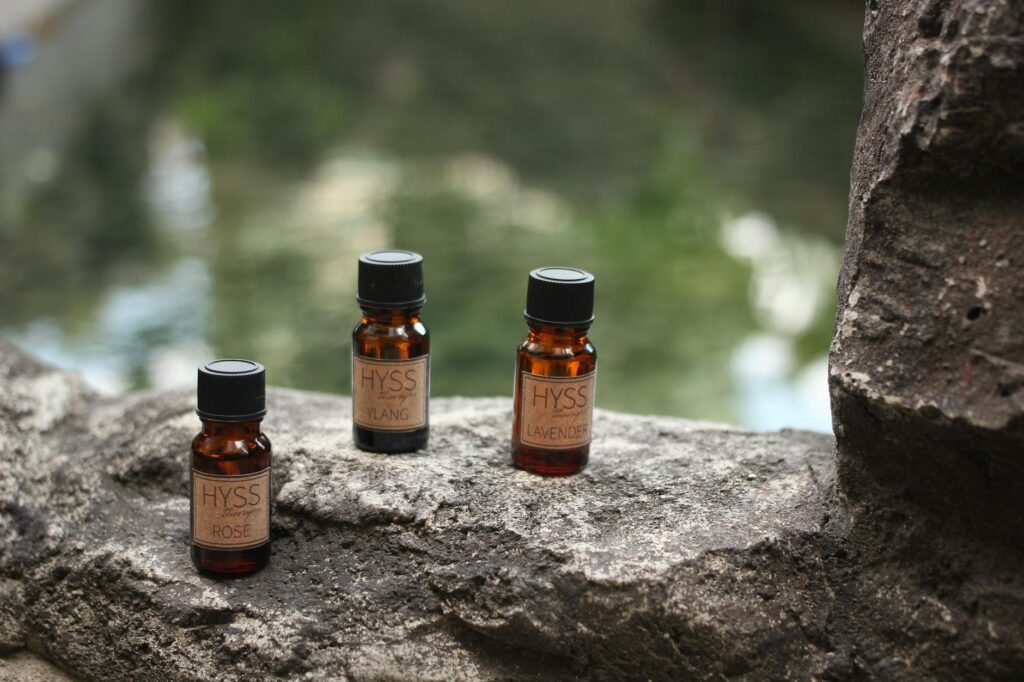
- Container: Store ylang ylang oil in a dark glass bottle to protect it from light, which can degrade the oil over time.
- Temperature: Keep the oil in a cool, dry place away from heat sources, as high temperatures can affect its composition.
- Shelf Life: When stored correctly, ylang ylang oil typically has a shelf life of 2-3 years. However, it is advisable to check for any changes in aroma, color, or viscosity before use.
Common Uses
Ylang ylang oil is utilized in various applications, including:
Aromatherapy Applications
In aromatherapy, ylang ylang oil is often employed to create a calming atmosphere. It can be used in various ways:
Safety Considerations
While ylang ylang oil offers many benefits, safety considerations are crucial for its use. Key points include:
Storage and Shelf Life
Proper storage of ylang ylang oil is essential to maintain its quality and safety. Here are some guidelines:
Frequently Asked Questions
1. Can ylang ylang oil be used in cooking?
Ylang ylang oil is not typically used in cooking, as it is primarily intended for external use and aromatherapy. Ingesting essential oils without proper guidance can be dangerous.
2. Is ylang ylang oil safe for pets?
The safety of ylang ylang oil for pets is not well established. It is best to avoid using essential oils around pets without consulting a veterinarian, as some oils can be toxic to animals.
3. Can ylang ylang oil help with insomnia?
While some individuals may find ylang ylang oil helpful for promoting relaxation, it should not be considered a substitute for medical treatment for insomnia. Consult a healthcare professional for persistent sleep issues.
4. How do I choose a quality ylang ylang oil?
Look for ylang ylang oil that is labeled as 100% pure, and check for certifications from reputable organizations. Third-party testing for purity and potency can also provide assurance of quality.
5. What should I do if I experience irritation from ylang ylang oil?
If irritation occurs, discontinue use immediately and rinse the affected area with a carrier oil. If symptoms persist, consult a healthcare professional.
Conclusion
Ylang ylang oil embodies a rich history and a spectrum of potential benefits, making it a cherished ingredient in aromatherapy and skincare. However, understanding its safety considerations is paramount for anyone looking to incorporate it into their routine. By adhering to proper guidelines for dilution, usage, and storage, individuals can enjoy the aromatic and therapeutic properties of ylang ylang oil while minimizing risks. As always, informed and cautious use enhances the experience and ensures safety in the world of essential oils.