
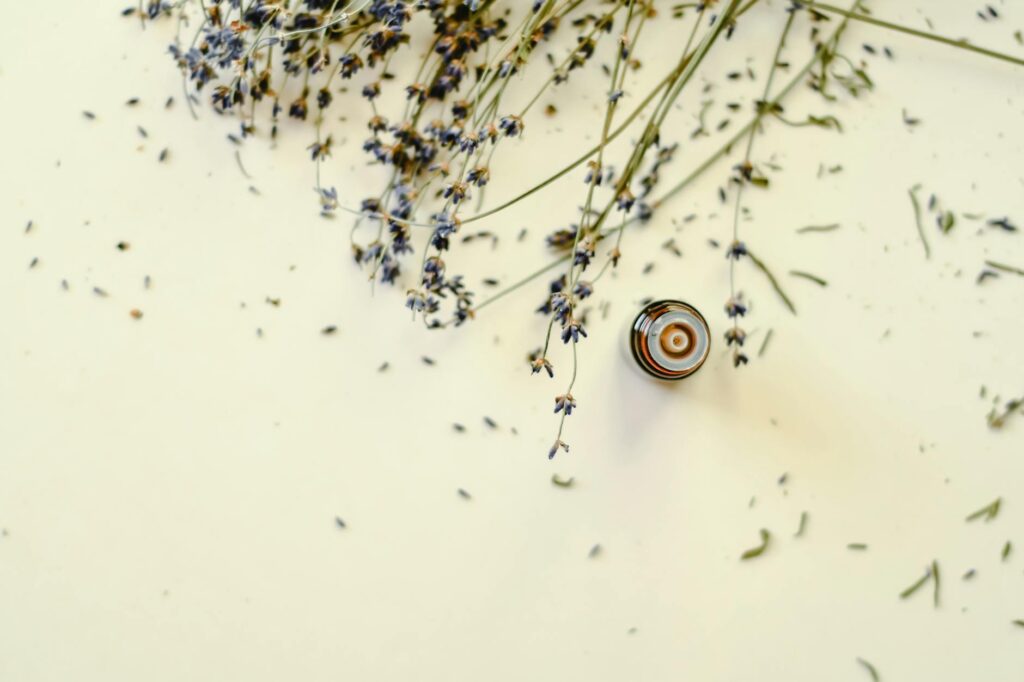
How Aromatherapy Blends for Calming Anxiety Are Used in Aromatherapy
Introduction
Aromatherapy is an ancient practice that harnesses the therapeutic properties of essential oils extracted from plants. Among its various applications, aromatherapy blends for calming anxiety have gained significant attention in recent years. These blends are designed to promote relaxation, reduce stress, and foster a sense of well-being. As more individuals seek natural alternatives to manage anxiety, understanding the composition, benefits, and applications of these aromatherapy blends becomes increasingly valuable.
What Is Aromatherapy Blends for Calming Anxiety?
Aromatherapy blends for calming anxiety typically consist of carefully selected essential oils known for their soothing properties. These blends often incorporate oils such as lavender, chamomile, bergamot, and ylang-ylang, each contributing unique characteristics that promote mental and emotional tranquility. The synergistic effect of combining multiple essential oils enhances their individual benefits, creating a holistic approach to anxiety relief.
Essential oils are predominantly extracted through methods like steam distillation or cold pressing and contain concentrated compounds that can interact with the limbic system, the part of the brain that plays a crucial role in emotions. By inhaling or applying these oils, individuals may experience a reduction in feelings of anxiety, stress, and overwhelm.
Key Benefits and Properties
The benefits of aromatherapy blends for calming anxiety are numerous and can vary depending on the specific oils used. Some of the key properties include:
1. Relaxation: Many calming oils, such as lavender and chamomile, are well-known for their ability to promote relaxation. These oils help reduce tension and encourage a tranquil state of mind.
2. Mood Enhancement: Essential oils like bergamot and sweet orange can uplift the mood and alleviate feelings of sadness or lethargy, contributing to a more positive mindset.
3. Sleep Support: Certain blends are effective in promoting better sleep quality. Oils like vetiver and cedarwood may help individuals fall asleep more easily and stay asleep longer, which is crucial for overall mental health.
4. Stress Reduction: The inhalation of calming essential oils may lead to decreased levels of cortisol, the hormone associated with stress, thereby enhancing the body’s ability to cope with anxiety-inducing situations.
5. Emotional Balance: By working on the emotional centers of the brain, these oils can help restore emotional balance, making them beneficial for those experiencing mood swings or emotional turmoil.
Common Uses
Aromatherapy blends for calming anxiety can be employed in various contexts, making them versatile tools for emotional support. Some common uses include:
- Diffusion: Using an essential oil diffuser allows the soothing aromas to fill a room, creating a calming environment conducive to relaxation and stress relief.
- Topical Application: When diluted with a carrier oil, these blends can be applied directly to pulse points such as wrists, temples, and behind the ears, where they can be inhaled throughout the day.
- Bath Additives: Adding a few drops of a calming blend to a warm bath can create a serene atmosphere, promoting relaxation and stress relief.
- Inhalation: Simply inhaling the scent from a bottle or a cotton ball can provide immediate calming effects during times of heightened anxiety.
- Massage: Incorporating aromatherapy blends into massage therapy can enhance the relaxation experience, allowing the recipient to enjoy the combined benefits of touch and aromatherapy.
- Dark Glass Containers: Store essential oils in dark glass bottles to protect them from light, which can degrade their quality.
- Cool, Dry Place: Keep oils in a cool, dry environment away from direct sunlight and heat sources.
- Sealing: Ensure that bottles are tightly sealed to prevent oxidation and contamination.
- Shelf Life: While some oils can last several years, others have shorter shelf lives. Citrus oils typically last 1-2 years, while oils like sandalwood or patchouli can last much longer.
Aromatherapy Applications
The application of aromatherapy blends for calming anxiety can be tailored to individual needs and preferences. Here are some effective methods of application:
1. Diffusers: Electric or candle diffusers disperse essential oils into the air, allowing for even distribution of aroma. This method is ideal for creating a calming space in homes or offices.
2. Roll-on Blends: Pre-diluted roll-on blends make it convenient to apply calming oils directly to the skin, offering ease of use and portability.
3. Room Sprays: DIY room sprays combining calming essential oils with water or alcohol can be used to freshen up spaces while promoting a relaxing atmosphere.
4. Inhalers: Personal inhalers filled with calming essential oils can be carried easily for on-the-go use, providing immediate access to soothing scents during stressful moments.
5. Bath Soaks: Combining essential oils with Epsom salts and carrier oils for a soothing bath blend can enhance relaxation and provide a multi-sensory experience.
Safety Considerations
While aromatherapy blends can be beneficial, it is essential to practice safety and mindfulness when using essential oils. Consider the following:
1. Dilution: Always dilute essential oils with a carrier oil before applying them to the skin to avoid irritation or allergic reactions.
2. Patch Testing: Conduct a patch test on a small area of skin to check for sensitivities or allergic reactions before using a new blend more broadly.
3. Consultation: Individuals with specific health conditions, pregnant or nursing women, and children should consult a qualified professional before using essential oils.
4. Quality: Use high-quality, pure essential oils from reputable sources. Adulterated or synthetic oils may not provide the desired benefits and could cause adverse reactions.
5. Ventilation: Ensure adequate ventilation when diffusing essential oils, especially in small spaces, to prevent overwhelming scents or adverse effects.
Storage and Shelf Life
Proper storage of essential oils is crucial to maintaining their effectiveness and extending their shelf life. Here are some storage tips:
Frequently Asked Questions
1. Can aromatherapy blends really help with anxiety?
Many individuals report experiencing relief from anxiety symptoms through the use of aromatherapy blends, though results can vary. The inhalation of calming scents can create a soothing environment and promote relaxation.
2. How do I choose the right blend for anxiety?
Selecting the right blend depends on personal preference and individual responses to specific scents. Experimenting with various combinations may help identify which oils resonate most effectively for calming purposes.
3. Are there any side effects associated with aromatherapy blends?
While essential oils are generally safe when used properly, some individuals may experience skin irritation or allergic reactions. It is important to dilute oils and conduct patch tests before widespread use.
4. How often can I use aromatherapy blends?
Aromatherapy blends can be used as needed. However, it is advisable to allow time between applications to assess individual responses and avoid potential sensitivities.
5. Can I use essential oils during pregnancy?
Pregnant individuals should exercise caution with essential oils and consult with a healthcare provider before use, as certain oils may not be safe during pregnancy.
Conclusion
Aromatherapy blends for calming anxiety provide a natural, holistic approach to managing stress and fostering tranquility. With a variety of applications and benefits, these blends can be integrated into daily routines to enhance overall well-being. By understanding the properties, uses, and safety considerations associated with these essential oils, individuals can make informed choices that support their mental and emotional health.