
How Aromatherapy Blends for Creativity Enhancement Is Used in Aromatherapy
Introduction
Aromatherapy, a practice that utilizes the natural essence of plants, has garnered attention for its potential to enhance mood, promote relaxation, and even stimulate creativity. The use of essential oils in blends tailored for creativity enhancement is a growing area of interest among enthusiasts and practitioners alike. This article delves into the concept of creativity-enhancing aromatherapy blends, exploring their benefits, applications, and safety considerations.
What Is Aromatherapy Blends for Creativity Enhancement?
Aromatherapy blends for creativity enhancement consist of carefully selected essential oils that are believed to stimulate the brain’s creative faculties. These blends often combine various oils known for their uplifting, invigorating, or calming properties, with the aim of fostering an environment conducive to creative thinking. Common oils used in these blends may include citrus oils, floral oils, and herbal oils, each chosen for their unique aromatic profiles and effects on the mind and body.
Key Benefits and Properties
The essential oils used in creativity-enhancing blends are typically selected based on their specific properties:
1. Citrus Oils: Oils like sweet orange and lemon are known for their refreshing and uplifting scents. They may help to reduce feelings of fatigue and enhance overall mood, potentially leading to increased creativity.
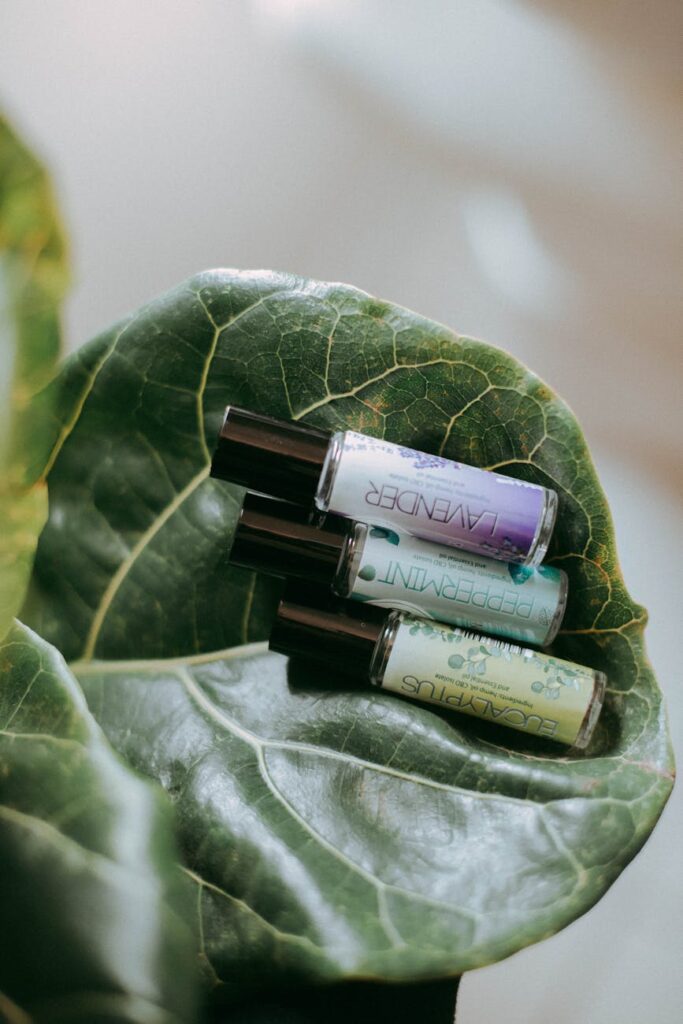
2. Peppermint Oil: Often used to promote mental clarity and focus, peppermint oil can invigorate the senses and stimulate cognitive function, making it a popular choice in creativity blends.
3. Lavender Oil: Known for its calming properties, lavender can help alleviate anxiety and stress, creating a more relaxed mental state that may be beneficial for creative thinking.
4. Rosemary Oil: Traditionally associated with memory enhancement, rosemary oil is thought to improve mental clarity and concentration, which can aid in the creative process.
5. Geranium Oil: This oil is known for its balancing properties. It can help stabilize emotions, making it easier to explore creative ideas without being hindered by emotional turmoil.
These properties suggest that essential oils can have a significant impact on mental states, potentially influencing creativity and inspiration.
Common Uses
Aromatherapy blends for creativity enhancement can be used in various contexts, including:
- Workspace Diffusion: Many individuals use essential oil diffusers in their workspaces to create an inspiring environment. A blend of citrus and herbal oils can invigorate the senses and promote a sense of focus.
- Creative Sessions: Artists, writers, and musicians may incorporate aromatherapy into their creative sessions. A personal inhaler or rollerball blend can be applied before starting a project to help channel creative energies.
- Meditation and Mindfulness: Some practitioners use creativity-enhancing blends during meditation or mindfulness exercises to open the mind to new ideas and perspectives.
- Workshops and Group Activities: In settings designed for brainstorming or creative collaboration, the use of specific essential oil blends may help participants feel more engaged and inspired.
- Containers: Essential oils are best stored in dark glass bottles. Dark glass protects the oils from light, which can cause degradation.
- Temperature: Oils should be kept in a cool location, ideally between 15-20°C (59-68°F). Avoid storing them in places with fluctuating temperatures, such as near stoves or windows.
- Shelf Life: The shelf life of essential oils can vary based on the type of oil and its composition. Generally, most oils can last anywhere from 1 to 5 years. Citrus oils tend to have shorter shelf lives, while oils like sandalwood may last longer.
Aromatherapy Applications
There are various methods for applying aromatherapy blends for creativity enhancement, each offering unique benefits:
1. Diffusion: Using an essential oil diffuser allows the scent to permeate a room, creating an uplifting atmosphere conducive to creativity.
2. Topical Application: Blending essential oils with a carrier oil and applying them to pulse points or areas of tension can provide immediate benefits. It is advisable to perform a patch test first to check for any sensitivities.
3. Inhalation: Direct inhalation from the bottle or a personal inhaler can deliver the aromatic benefits quickly, making it a convenient option for on-the-go inspiration.
4. Baths and Body Care: Incorporating creativity-enhancing oils into bath products or skincare can provide a multi-sensory experience, promoting relaxation and openness to new ideas.
5. Room Sprays: Creating a room spray with essential oils can help set the mood in a workspace or creative area. A simple recipe includes distilled water, a carrier, and desired essential oils.
Safety Considerations
While aromatherapy can offer numerous benefits, it is essential to consider safety aspects:
1. Dilution: Always dilute essential oils with a carrier oil when applying topically. A general guideline is to use a 2-3% dilution for adults, which translates to about 10-15 drops of essential oil per ounce of carrier oil.
2. Allergies and Sensitivities: Some individuals may have allergic reactions or sensitivities to specific oils. It is crucial to conduct a patch test before widespread use.
3. Pregnancy and Health Conditions: Pregnant individuals and those with existing health conditions should consult with a qualified practitioner before using essential oils.
4. Quality of Oils: The quality of essential oils can vary significantly. It is advisable to purchase oils from reputable sources that provide information on purity and sourcing.
5. Storage: Essential oils should be stored in a cool, dark place, away from direct sunlight and heat to maintain their potency and prevent degradation.
Storage and Shelf Life
Proper storage of essential oils is vital to ensure their longevity and effectiveness. Here are key points to consider:
Frequently Asked Questions
1. Can aromatherapy really enhance creativity?
While subjective experiences vary, many individuals report enhanced creativity when using specific essential oils. The aromatic properties can influence mood and mental clarity, potentially fostering a more creative mindset.
2. How do I choose the right blend for creativity enhancement?
Choosing a blend often depends on personal preferences. Consider experimenting with different oils and combinations to find scents that resonate with you. Commonly used oils include citrus, peppermint, and lavender.
3. Can I use these blends in my daily life?
Absolutely! Many people incorporate aromatherapy into their daily routines, whether at work, during creative projects, or for relaxation. Find a method that works best for you, whether through diffusion, topical application, or inhalation.
4. Are there any oils to avoid?
While most essential oils are safe for general use, it’s essential to research specific oils if you have allergies, sensitivities, or health conditions. Pregnant individuals should consult a healthcare provider before using certain oils.
5. How can I make my own creativity-enhancing blend?
Creating your own blend can be an enjoyable process. Start with a base oil and add a few drops of your chosen essential oils. Experiment with different ratios until you create a scent that inspires you.
Conclusion
Aromatherapy blends for creativity enhancement provide an intriguing avenue for those seeking to boost their creative potential. By harnessing the properties of essential oils, individuals can create an environment that fosters inspiration and innovation. While the effects can be subjective, the practice offers a holistic approach to enhancing creativity through natural means. As with any wellness practice, it’s essential to approach aromatherapy with awareness and respect for the oils used.