
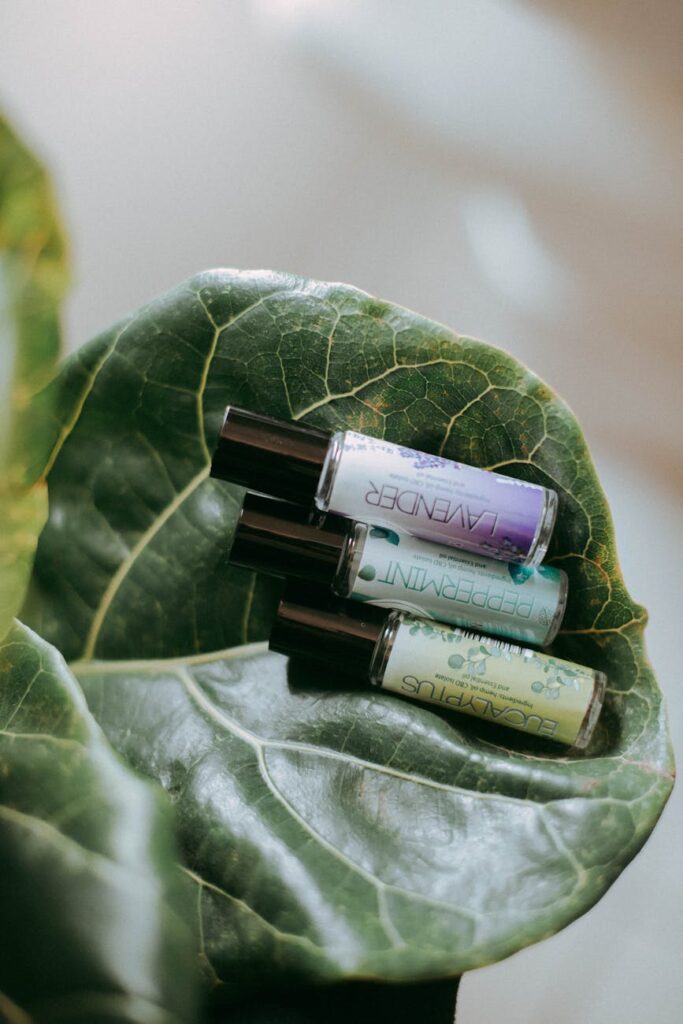
How Aromatherapy Blends for Focus and Concentration Is Used in Aromatherapy
Introduction
Aromatherapy, a holistic practice that utilizes essential oils derived from plants, has gained popularity for its potential to enhance well-being. One of the most sought-after applications of aromatherapy is its ability to promote focus and concentration. With the modern world filled with distractions, many individuals seek natural methods to improve mental clarity and enhance productivity. This article explores aromatherapy blends specifically designed for focus and concentration, detailing their benefits, common uses, applications, and practical considerations for safe use.
What Is Aromatherapy Blends for Focus and Concentration?
Aromatherapy blends for focus and concentration are carefully formulated mixtures of essential oils that aim to support mental clarity, cognitive function, and overall concentration. These blends often incorporate essential oils known for their uplifting, stimulating, or calming properties. By inhaling or applying these blends, users hope to achieve a heightened state of focus, making them particularly appealing to students, professionals, and anyone engaged in mentally demanding tasks.
The composition of these blends can vary widely, but they typically include oils such as rosemary, peppermint, lemon, and basil, among others. Each essential oil contributes unique properties that can synergistically enhance focus and mental alertness.
Key Benefits and Properties
The benefits of using aromatherapy blends for focus and concentration are rooted in the aromatic properties of essential oils. Some of the key benefits include:
1. Enhanced Cognitive Function: Certain essential oils are believed to stimulate brain activity and improve overall cognitive function. For example, rosemary has been associated with improved memory retention and alertness.
2. Increased Energy Levels: Essential oils like peppermint and lemon are known for their invigorating properties, which can help combat fatigue and promote a sense of vitality, allowing individuals to stay engaged and focused.
3. Stress Reduction: Aromatherapy can also play a role in reducing stress and anxiety levels. Oils such as lavender and bergamot may help create a calming environment, allowing for clearer thought processes.
4. Mood Elevation: Many essential oils have mood-enhancing properties. Blends that include citrus oils like orange or grapefruit can uplift spirits and create a positive atmosphere conducive to concentration.
5. Improved Clarity and Focus: Oils like basil and eucalyptus are known to promote clarity of thought, making them useful for tasks that require sustained attention.
Common Uses
Aromatherapy blends for focus and concentration can be employed in various settings and situations, including:
- Study Sessions: Students often use these blends while studying or preparing for exams to improve retention and concentration.
- Work Environments: Professionals may diffuse these blends in their offices or use them during meetings to enhance productivity.
- Creative Pursuits: Artists, writers, and other creatives may find that these blends help stimulate inspiration and concentration during their work.
- Meditation and Mindfulness: Incorporating focus-enhancing blends into meditation practices can aid in maintaining mental clarity and presence.
- Dilution: Always dilute essential oils with a carrier oil before applying them to the skin to reduce the risk of irritation or sensitization.
- Skin Sensitivity: Conduct a patch test before using a new blend on the skin to check for any allergic reactions or sensitivities.
- Pregnancy and Nursing: Some essential oils may not be safe for use during pregnancy or breastfeeding. Consult a qualified professional before use in these circumstances.
- Medical Conditions: Individuals with certain medical conditions or those taking medications should consult a healthcare provider before using essential oils, as some oils may interact with medications or exacerbate certain health issues.
- Quality of Essential Oils: Use high-quality, pure essential oils from reputable sources. Adulterated or synthetic oils may not provide the desired benefits and can pose health risks.
- Storage: Keep essential oils in a cool, dark place, away from sunlight and heat. Dark glass bottles are ideal for preserving the integrity of the oils.
- Shelf Life: The shelf life of essential oils varies depending on the type. Generally, citrus oils have a shorter shelf life of about one to two years, while oils like patchouli or cedarwood can last for several years if stored correctly. Regularly check for changes in aroma or appearance, which may indicate degradation.
Aromatherapy Applications
There are several ways to apply aromatherapy blends for focus and concentration:
Diffusion
Using an essential oil diffuser is one of the most popular methods to disperse the aroma of essential oils throughout a room. This method not only fills the space with uplifting scents but also allows for a longer-lasting effect. To use this method, add a few drops of the chosen blend to the diffuser, following the manufacturer’s instructions.
Inhalation
Direct inhalation is a simple and effective way to experience the benefits of essential oils. This can be done by placing a few drops of the blend on a cotton ball or tissue and inhaling deeply. Alternatively, an aromatherapy inhaler can be filled with the blend for convenient on-the-go use.
Topical Application
For those who prefer direct skin contact, topical application may be an option. Essential oils should always be diluted with a carrier oil, such as jojoba or sweet almond oil, before applying to the skin. A common practice is to apply the blend to pulse points such as the wrists, temples, or behind the ears.
Bathing
Adding a few drops of a focus-enhancing blend to a warm bath can create a relaxing and invigorating experience. The steam from the bath will help disperse the oils, providing both aromatic and topical benefits. Again, it is advisable to dilute the oils in a carrier oil or an emulsifier before adding them to the bathwater.
Safety Considerations
While aromatherapy blends can offer numerous benefits, it is essential to approach their use with caution. Here are some safety considerations to keep in mind:
Storage and Shelf Life
Proper storage and handling of essential oils are crucial for maintaining their potency and effectiveness. Here are some guidelines:
Frequently Asked Questions
Can I create my own focus and concentration blend?
Yes, creating your own blend is a common practice in aromatherapy. Start with a base of essential oils known for their focus-enhancing properties and experiment with different combinations. Always ensure proper dilution and conduct patch tests for safety.
How long should I diffuse essential oils for focus?
The duration of diffusion can vary based on preference and the strength of the oils. A typical recommendation is to diffuse for 30 to 60 minutes at a time, allowing breaks in between to prevent olfactory fatigue.
Are there specific essential oils I should avoid?
Yes, certain essential oils may not be suitable for everyone, especially those with specific medical conditions or during pregnancy. Oils like sage and wintergreen should be used with caution or avoided altogether in certain situations.
Can I use these blends in my workplace?
Many workplaces allow the use of essential oils, but it’s best to check with colleagues and management to ensure a comfortable environment for everyone. Using a diffuser with a timer can help manage the scent levels.
How can I enhance the effects of aromatherapy for focus?
In addition to using essential oils, consider combining aromatherapy with other practices such as mindfulness, meditation, or structured work breaks to maximize focus and productivity.
Conclusion
Aromatherapy blends designed for focus and concentration offer a natural and holistic approach to enhancing mental clarity and productivity. By harnessing the aromatic properties of essential oils, individuals can create an environment conducive to concentration, whether in academic, professional, or creative settings. With proper application and safety considerations, these blends can become a valuable tool in one’s wellness toolkit, promoting not just focus but overall well-being.