
How Aromatherapy Blends for Grief and Loss Is Used in Aromatherapy
Introduction
Aromatherapy, an ancient practice involving the use of essential oils extracted from plants, has gained recognition for its potential to enhance emotional well-being. One of the more poignant applications of aromatherapy is in the realm of grief and loss. The death of a loved one, the end of a significant relationship, or any major life transition can evoke profound emotional pain. Aromatherapy blends specifically designed for grief and loss seek to provide comfort, solace, and a pathway toward healing during these challenging times.
What Is Aromatherapy Blends for Grief and Loss?
Aromatherapy blends for grief and loss typically consist of specific essential oils combined to create a synergistic effect aimed at addressing the emotional turmoil associated with loss. These blends are formulated to evoke feelings of calm, acceptance, and emotional release. The essential oils used often possess properties that help to balance mood, alleviate stress, and promote relaxation.
Common essential oils in these blends include lavender for its calming effects, bergamot for its uplifting qualities, and frankincense for its grounding properties. Each blend can be customized according to individual preferences and reactions to specific scents, making the experience deeply personal and unique.
Key Benefits and Properties
The benefits of aromatherapy blends for grief and loss largely stem from the psychological and physiological effects of essential oils. Here are some key properties often associated with these oils:
1. Emotional Support: Many essential oils can evoke specific emotions or memories, acting as a bridge to facilitate the processing of grief.
2. Stress Reduction: Oils like lavender and chamomile are known for their calming properties, helping to alleviate feelings of anxiety and tension.
3. Promoting Acceptance: Certain oils, such as frankincense and sandalwood, can foster a sense of peace, aiding individuals in coming to terms with their loss.
4. Encouraging Expression: Aromatherapy can help create an environment that encourages emotional release, allowing individuals to express their feelings more freely.
5. Enhancing Meditation and Mindfulness: Using aromatherapy in conjunction with mindfulness practices can deepen the experience of introspection and self-awareness.
Common Uses
Aromatherapy blends for grief and loss can be employed in various settings and forms:
- Diffusion: The most common method, where essential oils are dispersed into the air using a diffuser. This allows for a gentle, continuous release of scent.
- Topical Application: Blends can be diluted with a carrier oil and applied to pulse points, such as wrists or neck, for a more direct effect.
- Bathing: Adding essential oils to bath water can enhance relaxation and create a soothing atmosphere for reflection and emotional release.
- Inhalation: Inhaling the scent directly from the bottle or using an inhaler stick can provide immediate emotional support.
- Candle Making: Some individuals create candles infused with their chosen essential oils, which can serve as a calming focal point during moments of grief.
Aromatherapy Applications
The application of aromatherapy for grief and loss can be both personal and communal. Here are some ways individuals and groups can integrate these blends into their healing journeys:
Personal Use
1. Creating a Sacred Space: Designate a quiet area in your home for reflection, meditation, or journaling. Use a diffuser or candles to fill the space with comforting scents.
2. Daily Rituals: Incorporate aromatherapy into daily routines. For example, apply a grief support blend before bedtime to promote restful sleep.
3. Mindfulness Practices: Use aromatherapy during meditation or yoga to enhance the experience. The combination of scent and movement can deepen emotional release.
Group Use
1. Support Groups: Integrating aromatherapy into grief support sessions can create a calming atmosphere, making it easier for participants to share their feelings.
2. Ceremonial Uses: Essential oils can be used in memorial services or rituals, providing a sensory connection to the memories of those who have passed.
3. Workshops: Hosting workshops on aromatherapy for grief can empower individuals to create their own blends, fostering a sense of agency in their healing process.
Safety Considerations
While aromatherapy can offer emotional support, it is essential to approach its use with caution. Here are some safety considerations:
1. Skin Sensitivity: Always conduct a patch test before applying essential oils topically. Dilute oils with a carrier oil to minimize the risk of skin irritation.
2. Pregnancy and Nursing: Certain essential oils may not be safe for pregnant or nursing individuals. Consult a qualified expert before use.
3. Allergic Reactions: Be aware of any allergies to specific plants or oils. Discontinue use immediately if any adverse reactions occur.
4. Quality of Oils: Use high-quality, pure essential oils from reputable sources. Synthetic fragrances may not provide the same therapeutic benefits and can sometimes trigger adverse reactions.
5. Consultation: If you have underlying health conditions or are taking medications, it is advisable to consult with a healthcare professional knowledgeable about essential oils.
Storage and Shelf Life
Proper storage of essential oils is vital to maintaining their potency and effectiveness. Here are some guidelines:
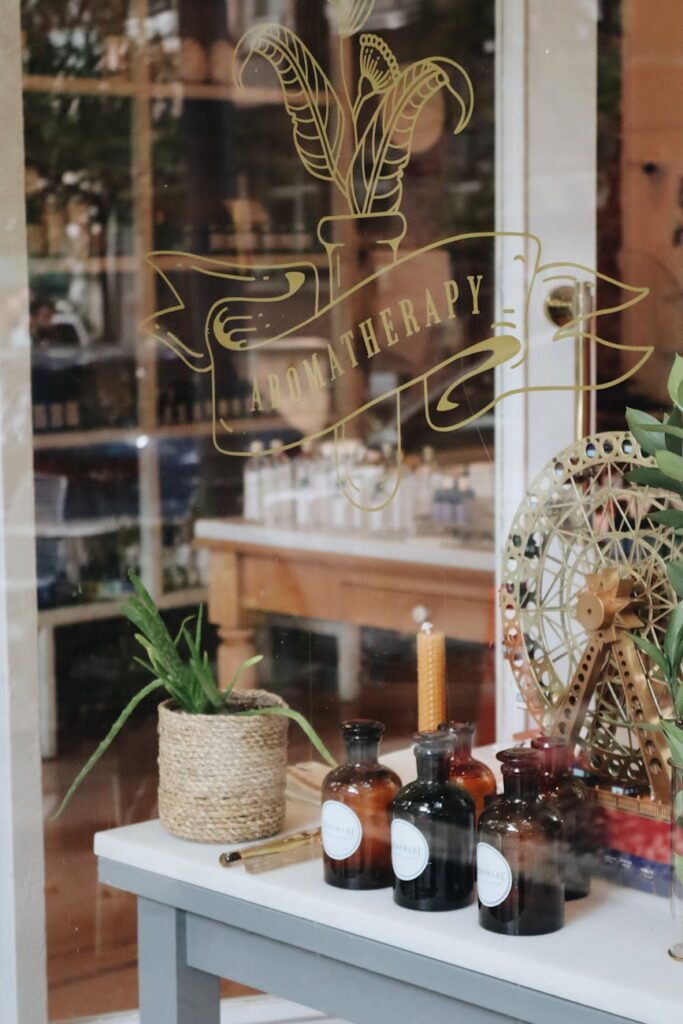
1. Dark Glass Containers: Store essential oils in dark glass bottles to protect them from light degradation.
2. Cool, Dry Place: Keep oils in a cool, dry area away from heat sources and direct sunlight.
3. Sealed Containers: Ensure that bottles are tightly sealed to prevent oxidation and evaporation.
4. Shelf Life: Most essential oils have a shelf life of 1 to 3 years, depending on the type. Citrus oils tend to have shorter shelf lives, while oils like patchouli and sandalwood can improve with age.
Frequently Asked Questions
Can I use essential oils if I am not familiar with aromatherapy?
Yes, you can safely explore aromatherapy by starting with a few well-known oils and blends. It’s advisable to research the properties and uses of each oil to find what resonates with you.
How do I choose the right blend for my situation?
Selecting a blend often comes down to personal preference. Consider the scents that evoke positive feelings or memories for you, and experiment with blends to see which ones provide comfort.
Can aromatherapy replace traditional grief therapy?
Aromatherapy can serve as a complementary practice but should not replace professional therapy or counseling, especially for individuals experiencing profound grief or trauma.
How can I create my own grief support blend?
To create your own blend, start with a base oil (like sweet almond or jojoba), and add a few drops of essential oils known for their calming and supportive properties. Begin with one or two oils and adjust according to your preferences.
Is it safe to use essential oils around pets?
Some essential oils are toxic to pets, particularly cats and dogs. It’s crucial to research any oils you plan to use around animals and consult with a veterinarian if in doubt.
Conclusion
Aromatherapy blends for grief and loss hold the potential to offer comfort and solace during challenging emotional times. By understanding the properties and applications of these essential oils, individuals can create personalized experiences that foster healing and emotional wellness. It is important to approach this practice mindfully, ensuring safety and quality while honoring the unique journey of grief. Whether used individually or within a supportive community, aromatherapy can serve as a valuable tool in the process of navigating loss and finding peace.