
How Aromatherapy Blends for Immune System Support Is Used in Aromatherapy
Introduction
Aromatherapy, an ancient practice rooted in the use of essential oils from plants, has gained popularity as a holistic approach to enhancing overall well-being. Among its various applications, the use of aromatherapy blends for immune system support has emerged as a significant focus. These blends, which combine various essential oils known for their therapeutic properties, aim to bolster the body’s natural defenses and promote a sense of vitality. This article delves into the characteristics, benefits, applications, and considerations surrounding these immune-supportive aromatherapy blends.
What Is Aromatherapy Blends for Immune System Support?
Aromatherapy blends for immune system support are concoctions of essential oils selected for their potential to enhance immunity and overall health. Essential oils are concentrated plant extracts that capture the natural fragrance and beneficial properties of the source plant. When combined, these oils can create synergistic effects, amplifying their individual benefits.
Common essential oils utilized in these blends include eucalyptus, tea tree, lavender, and lemon. Each oil possesses unique properties that may contribute to immune system support, making them essential components in various formulations.
Key Benefits and Properties
The benefits of aromatherapy blends for immune system support can be attributed to the diverse properties of the essential oils used. Some of the key advantages include:
1. Antimicrobial Properties: Many essential oils such as tea tree and eucalyptus exhibit antimicrobial effects, which may help combat pathogens and reduce the risk of infections.
2. Anti-inflammatory Effects: Oils like lavender and frankincense possess anti-inflammatory properties that may help alleviate inflammation in the body, promoting overall health.
3. Mood Enhancement: Certain essential oils, including citrus oils like lemon and sweet orange, can uplift mood and reduce stress, which is vital for maintaining a robust immune system.
4. Respiratory Support: Blends containing eucalyptus or peppermint can support respiratory health by promoting clear airways and facilitating easier breathing.
5. Adaptogenic Qualities: Some oils may help the body adapt to stress, thereby supporting immune function indirectly.
Common Uses
Aromatherapy blends for immune system support can be employed in various settings and situations. Common uses include:
- Diffusion: Using a diffuser to disperse essential oils into the air allows the beneficial compounds to be inhaled, promoting respiratory health and enhancing mood.
- Topical Application: When diluted with a carrier oil, these blends can be applied to the skin, particularly on pulse points, for localized benefits.
- Inhalation: Direct inhalation of essential oil blends can provide immediate respiratory support, especially during seasonal changes or when feeling under the weather.
- Bathing: Adding a few drops of the blend to a warm bath can create a relaxing atmosphere, allowing for both physical and emotional benefits.
- Dilution: Always dilute essential oils before topical application to avoid skin irritation.
- Skin Sensitivity: Conduct a patch test by applying a small diluted amount of the blend to a small area of skin to check for any adverse reactions.
- Pregnancy and Nursing: Certain essential oils may not be safe for pregnant or nursing individuals, so it is crucial to consult with a qualified professional.
- Children and Pets: Some essential oils can be harmful to children and pets. Always research the safety of specific oils before use.
- Quality of Oils: Ensure that the essential oils used are of high quality and sourced from reputable suppliers. Pure, therapeutic-grade oils are preferable.
- Cool, Dark Place: Store essential oils in a cool, dark area, away from direct sunlight, which can degrade the oils.
- Tightly Sealed Containers: Keep oils in tightly sealed bottles to prevent oxidation and evaporation.
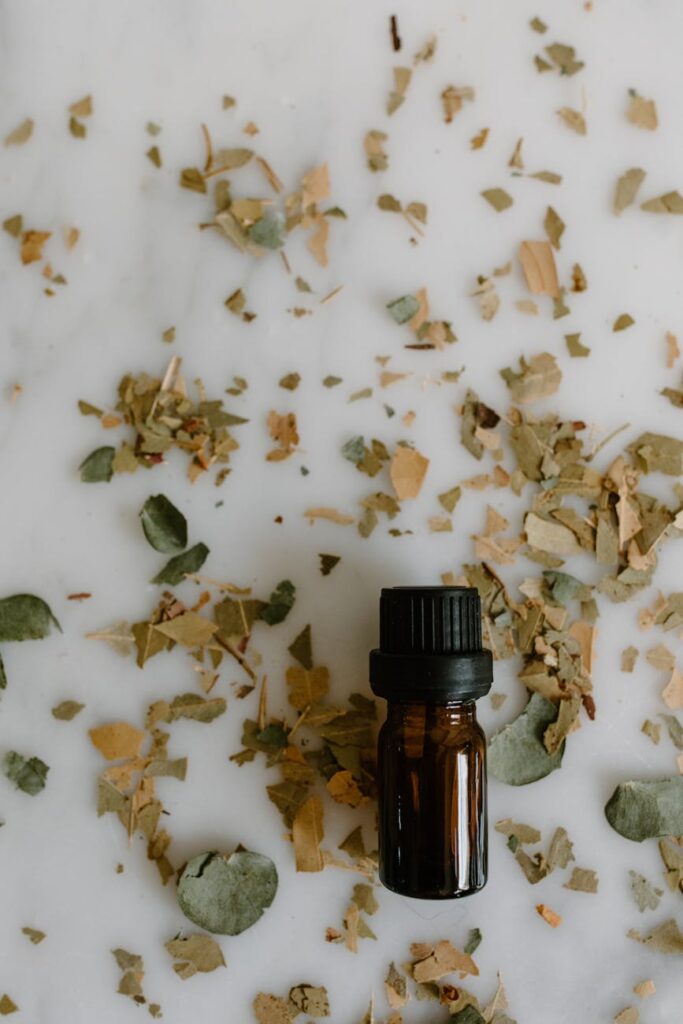
- Use Dark Glass Bottles: Amber or cobalt blue glass bottles are ideal for protecting oils from light exposure.
Aromatherapy Applications
To harness the benefits of aromatherapy blends for immune system support, various methods can be employed:
Diffusion
Using an essential oil diffuser is one of the most popular methods of application. By dispersing the oils into the air, individuals can enjoy the aromatic benefits while also purifying the environment.
Topical Application
To use oils topically, it is essential to dilute them with a carrier oil such as jojoba, coconut, or almond oil. A typical dilution ratio is 2-3 drops of essential oil per teaspoon of carrier oil. Common areas for application include the wrists, chest, and neck.
Inhalation Techniques
For quick relief, one can simply inhale the aroma directly from the bottle or place a few drops on a tissue or cotton ball. This method is particularly useful for respiratory support.
Bathing Rituals
Adding essential oils to a warm bath can create a soothing experience that not only relaxes the body but may also enhance immune function. It is recommended to mix the essential oils with a dispersant like milk or Epsom salt before adding them to the bathwater.
Aromatherapy Roll-ons
Creating a roll-on blend is an excellent way to have a portable immune support solution. By combining essential oils with a carrier oil in a small roller bottle, individuals can apply the blend conveniently throughout the day.
Safety Considerations
While aromatherapy can be beneficial, safety should always be a priority. Here are several important considerations:
Storage and Shelf Life
Proper storage of essential oils is essential for maintaining their quality and efficacy. Here are some tips for optimal storage:
The shelf life of essential oils varies depending on the type. Generally, citrus oils have a shorter shelf life of about 1-2 years, while oils like sandalwood and patchouli can last for several years when stored properly.
Frequently Asked Questions
Can I use essential oils if I have allergies?
Individuals with allergies should exercise caution when using essential oils. It is advisable to consult with a healthcare professional before introducing new scents into your environment.
How often can I use aromatherapy blends for immune support?
Frequency of use can vary based on individual preferences and needs. For general well-being, using blends a few times a day through diffusion or topical application is common. Adjust as needed based on personal response.
Are there specific essential oils I should avoid?
Some essential oils, such as wintergreen and birch, contain methyl salicylate and should be avoided by individuals on blood-thinning medications. Always conduct thorough research or consult a professional.
Can aromatherapy replace traditional medicine?
While aromatherapy can complement health practices, it should not replace conventional medical treatments. It is essential to consult with healthcare providers regarding any health concerns.
Where can I purchase quality essential oils?
Quality essential oils can be found at health food stores, specialty shops, or online retailers. Look for companies that provide detailed information about sourcing and testing their products.
Conclusion
Aromatherapy blends for immune system support offer a natural and holistic approach to enhancing health. By understanding the properties, benefits, and applications of these essential oils, individuals can incorporate them into their daily rituals to promote wellness. As with any holistic practice, mindfulness, and safety considerations are paramount to enjoying the full potential of aromatherapy.