
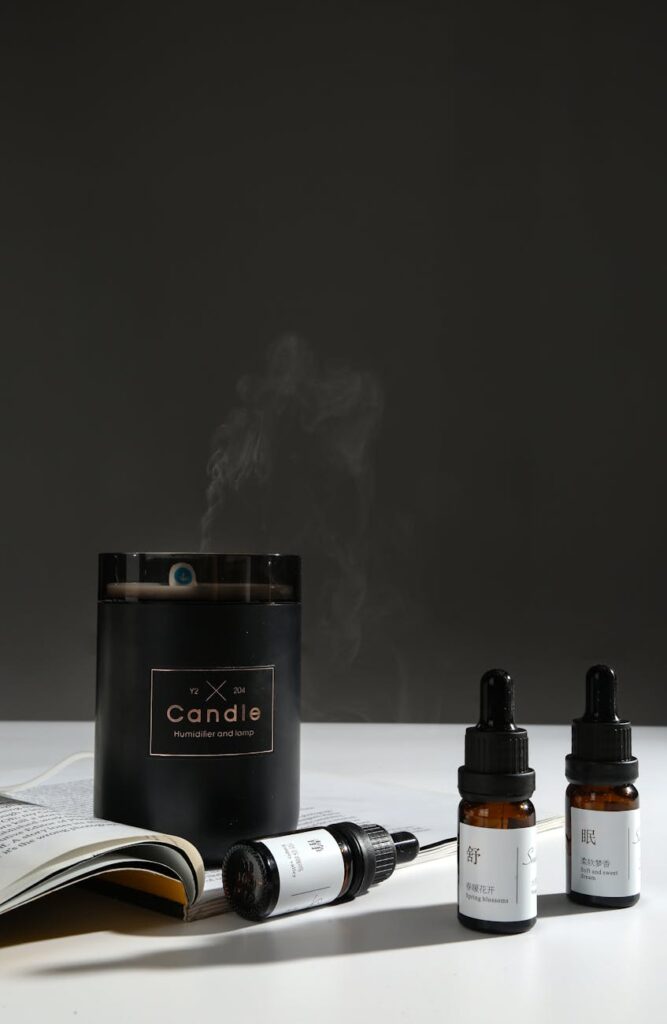
How Aromatherapy Blends for Meditation and Mindfulness Is Used in Aromatherapy
Introduction
Aromatherapy, the practice of using essential oils for therapeutic benefits, has gained popularity as a complementary approach to enhance well-being. Among its many applications, the use of aromatherapy blends for meditation and mindfulness stands out as a powerful tool for promoting relaxation and enhancing mental clarity. This article explores the significance of aromatherapy blends specifically tailored for meditation and mindfulness, their key benefits, common uses, and practical applications.
What Is Aromatherapy Blends for Meditation and Mindfulness?
Aromatherapy blends for meditation and mindfulness are carefully formulated combinations of essential oils designed to enhance the experience of meditation, promote a sense of calm, and encourage present-moment awareness. These blends often feature oils known for their calming, uplifting, or grounding properties. Commonly used essential oils in these blends include lavender, sandalwood, frankincense, and bergamot, each contributing unique aromatic qualities and therapeutic effects.
The intention behind these blends is to create an environment that fosters relaxation and mental focus, allowing practitioners to deepen their meditation experience. Whether used in a quiet corner of the home, during yoga sessions, or in guided meditations, these aromatic combinations can transform the atmosphere and support mindfulness practices.
Key Benefits and Properties
Aromatherapy blends for meditation and mindfulness offer several key benefits:
1. Enhanced Relaxation: Many essential oils possess calming properties that can help reduce stress and anxiety, making it easier to transition into a meditative state. Oils like lavender and chamomile are well-known for their soothing effects.
2. Increased Focus and Clarity: Certain oils, such as peppermint and rosemary, can stimulate mental clarity and focus, making them effective for enhancing concentration during meditation.
3. Emotional Balance: Aromatherapy blends can help stabilize emotions, providing comfort during meditation. Essential oils like bergamot and ylang-ylang are often used to uplift mood and promote emotional balance.
4. Grounding Effects: Oils such as vetiver and cedarwood can create a grounding atmosphere, helping practitioners feel centered and connected during meditation.
5. Spiritual Connection: Some essential oils, particularly those used in traditional practices, are believed to facilitate spiritual growth and connection, enhancing the overall meditative experience.
Common Uses
Aromatherapy blends for meditation and mindfulness can be utilized in various settings and practices, including:
- Personal Meditation Practices: Individuals can diffuse blends in their meditation space or apply them topically on pulse points to enhance their personal practices.
- Yoga Sessions: Many yogis incorporate aromatherapy into their classes, using essential oil blends to create a calming environment and deepen the practice.
- Guided Meditation Sessions: In group settings, facilitators often use aromatherapy to set an intention and create a peaceful atmosphere that encourages participants to engage fully in the experience.
- Mindfulness Practices: Aromatherapy can complement mindfulness techniques, such as breathwork or body scans, by providing olfactory cues that anchor individuals in the present moment.
- Dilution: Essential oils are potent and should be diluted with a carrier oil before topical application to prevent skin irritation.
- Quality: Ensure that essential oils are sourced from reputable suppliers and labeled as pure therapeutic grade. Synthetic or adulterated oils may not provide the desired benefits.
- Allergies and Sensitivities: Individuals should conduct a patch test before using a new essential oil to check for any allergic reactions or sensitivities.
- Pregnancy and Medical Conditions: Pregnant individuals and those with specific medical conditions should consult a healthcare professional before using essential oils.
- Children and Pets: Some essential oils are not suitable for use around children or pets. Research and exercise caution when using aromatherapy in these contexts.
- Dark Glass Bottles: Essential oils should be stored in dark glass bottles to protect them from light, which can degrade their quality.
- Cool, Dry Place: Keeping oils in a cool, dry location away from direct sunlight and heat sources helps prolong their shelf life.
- Shelf Life: While many essential oils can last for several years, their potency may diminish over time. Citrus oils typically have a shorter shelf life of around one to two years, while oils like sandalwood and patchouli can last for five years or longer.
Aromatherapy Applications
There are several ways to apply aromatherapy blends for meditation and mindfulness:
1. Diffusion: Using a diffuser is one of the most popular methods. Essential oils can be blended with water and dispersed into the air, filling a space with their aromatic properties.
2. Topical Application: Essential oils can be blended with a carrier oil (such as jojoba or almond oil) and applied to pulse points, such as wrists, temples, or the back of the neck. This method allows for a direct and personal experience of the oils.
3. Inhalation: Simply inhaling the aroma from an essential oil bottle or a cotton ball drenched in a blend can provide immediate relaxation and grounding effects.
4. Bathing: Adding essential oils to a warm bath can create an immersive experience, enhancing relaxation and providing a multi-sensory approach to mindfulness.
5. Sprays: Creating an aromatic spray by blending essential oils with water and witch hazel or alcohol can provide a convenient way to refresh a space or create an aromatic atmosphere during meditation sessions.
Safety Considerations
While aromatherapy is generally considered safe, certain precautions should be observed:
Storage and Shelf Life
Proper storage of essential oils is essential to maintain their potency and effectiveness:
Frequently Asked Questions
1. Can I create my own aromatherapy blends for meditation?
Yes, creating your own blends can be a rewarding experience. Start by selecting essential oils based on their properties and aromas that resonate with you. Blend a few drops of each oil in a carrier oil or a diffuser and adjust the ratios until you find a combination that you enjoy.
2. How do I choose the right essential oils for my meditation practice?
Consider the specific effects you wish to achieve. For relaxation, oils like lavender and chamomile are ideal, while oils like rosemary and peppermint can enhance focus. Research the properties of different oils and experiment to find what works best for you.
3. How often can I use aromatherapy blends?
You can use aromatherapy blends as often as desired, whether during meditation sessions, yoga practices, or throughout your daily routine. Listen to your body and assess how the oils affect your well-being.
4. Can aromatherapy replace traditional meditation techniques?
Aromatherapy is intended to complement meditation practices rather than replace them. It can enhance your experience and help create a conducive atmosphere for meditation, but it is not a substitute for the techniques themselves.
5. Are there any specific oils I should avoid?
Certain essential oils may not be suitable for everyone. For example, oils like eucalyptus may be contraindicated for individuals with respiratory issues. It is advisable to research each oil and consult with a knowledgeable source if unsure.
Conclusion
Aromatherapy blends for meditation and mindfulness offer a rich tapestry of benefits that can enhance personal well-being and deepen meditative practices. By carefully selecting essential oils and understanding their properties, individuals can create an aromatic environment that fosters relaxation, focus, and emotional balance. As with any holistic practice, a thoughtful approach to safety, application, and personal preference ensures a rewarding experience with aromatherapy in the realm of meditation and mindfulness.