
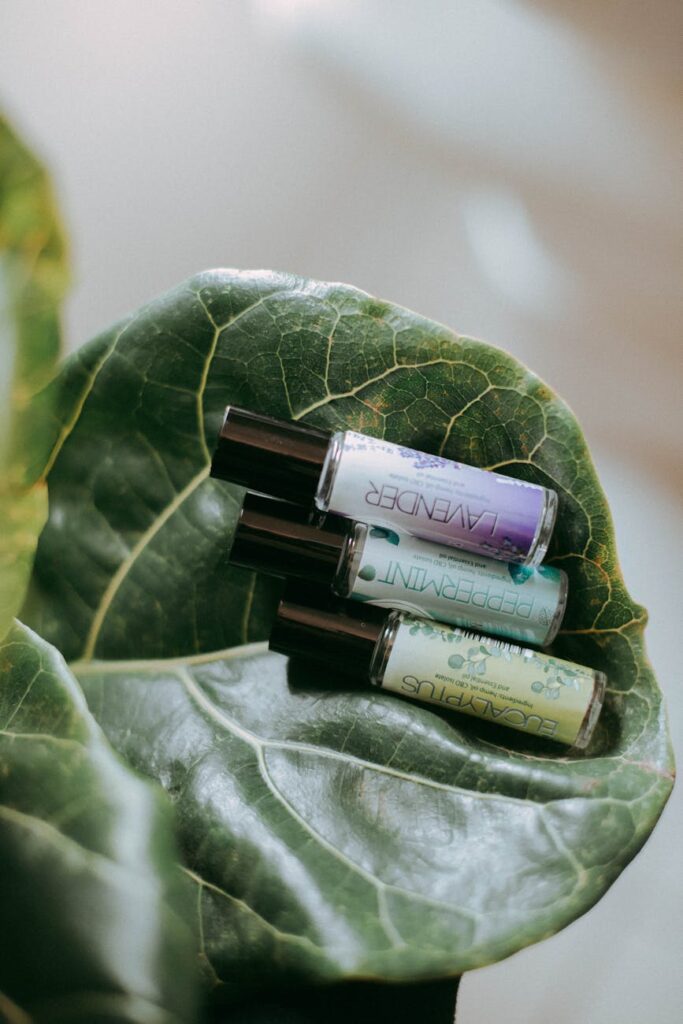
How Aromatherapy Blends for Mood Enhancement Is Used in Aromatherapy
Introduction
Aromatherapy, the practice of using volatile plant oils for therapeutic purposes, has gained significant attention over the years for its potential to enhance emotional well-being. Among the various applications of aromatherapy, mood enhancement blends stand out as a popular choice. These blends are crafted from essential oils known for their uplifting and calming properties, making them valuable tools in the pursuit of emotional balance and mental clarity. This article delves into the world of aromatherapy blends specifically designed for mood enhancement, exploring their benefits, common applications, and practical considerations for use.
What Is Aromatherapy Blends for Mood Enhancement?
Aromatherapy blends for mood enhancement consist of carefully selected essential oils combined to elicit specific emotional responses. Essential oils are extracted from various parts of plants, including leaves, flowers, roots, and bark, and possess unique aromatic properties. When combined, these oils create synergistic effects that can influence mood, stress levels, and overall emotional health.
The art of blending essential oils is often guided by the principles of aromatherapy, which emphasize the importance of scent and its impact on the limbic system—the part of the brain that governs emotions. By inhaling these aromatic compounds, individuals can experience changes in mood, reduced anxiety, and a greater sense of relaxation.
Key Benefits and Properties
Aromatherapy blends for mood enhancement offer a variety of benefits, largely due to the individual properties of the essential oils used in the blends. Here are some key benefits and properties that are often associated with mood-enhancing oils:
1. Stress Relief: Many essential oils, such as lavender and bergamot, are known for their calming effects, helping to reduce feelings of stress and anxiety.
2. Mood Elevation: Citrus oils, like lemon and sweet orange, are often included in mood-enhancing blends for their uplifting and energizing properties.
3. Emotional Balance: Oils such as ylang-ylang and frankincense may promote emotional stability, helping individuals to achieve a sense of balance in their feelings.
4. Mental Clarity: Certain oils, such as rosemary and peppermint, are believed to enhance focus and cognitive function, making them beneficial for mental clarity.
5. Relaxation: Oils like chamomile and vetiver can induce a state of deep relaxation, which is crucial for overall emotional well-being.
6. Sleep Support: Blends that include sedative oils can assist in promoting restful sleep, thereby indirectly enhancing mood through improved rest.
Common Uses
Aromatherapy blends for mood enhancement can be employed in various settings and situations. Here are some common uses:
1. Personal Diffusion: Essential oil diffusers can disperse aromatic blends throughout a room, creating an uplifting environment conducive to mood enhancement.
2. Massage Therapy: Blended oils can be diluted with carrier oils and used in massage to relieve tension and promote relaxation.
3. Bathing Rituals: Adding mood-enhancing blends to bathwater can create a soothing and aromatic experience that calms the mind and body.
4. Inhalation: Direct inhalation of essential oil blends—via steam inhalation or simply placing a few drops on a tissue—can provide immediate mood benefits.
5. Topical Application: When diluted correctly, mood-enhancing blends can be applied to pulse points, such as wrists and temples, for continuous aromatic benefits throughout the day.
Aromatherapy Applications
Aromatherapy blends for mood enhancement can be tailored to specific needs and preferences. Below are some common applications and their corresponding essential oils:
1. Uplifting Blends:
- Ingredients: Sweet orange, grapefruit, and bergamot.
- Application: Use in a diffuser or personal inhaler to create a cheerful atmosphere.
- Ingredients: Lavender, chamomile, and sandalwood.
- Application: Ideal for evening use before sleep or during stressful situations.
- Ingredients: Peppermint, rosemary, and lemon.
- Application: Diffuse during study sessions or work hours to enhance concentration.
- Ingredients: Ylang-ylang, frankincense, and geranium.
- Application: Use during meditation or yoga sessions to promote emotional stability.
- Ingredients: Eucalyptus, lime, and ginger.
- Application: Use in the morning or during a midday slump to invigorate the senses.
2. Calming Blends:
3. Focus and Clarity Blends:
4. Balancing Blends:
5. Energizing Blends:
Safety Considerations
While aromatherapy blends can offer numerous benefits, safety should always be a priority. Here are some key safety considerations:
1. Dilution: Essential oils are potent and should be diluted with carrier oils (such as coconut, jojoba, or almond oil) before topical application to minimize skin irritation.
2. Allergies and Sensitivities: Individuals should conduct a patch test before using a new essential oil to check for allergic reactions. Pregnant women and those with specific medical conditions should consult a healthcare provider before using essential oils.
3. Quality of Oils: It is crucial to source high-quality essential oils from reputable suppliers. Adulterated or synthetic oils may not provide the desired therapeutic benefits and could pose health risks.
4. Inhalation: While diffusing oils is generally safe, prolonged or excessive inhalation may lead to headaches or respiratory irritation in sensitive individuals.
5. Storage: Essential oils should be stored away from direct sunlight and heat to maintain their potency.
Storage and Shelf Life
Proper storage is essential to ensure the longevity and efficacy of essential oils. Here are some guidelines:
1. Containers: Essential oils should be stored in dark glass bottles, which protect them from light degradation.
2. Cool Environment: Store oils in a cool, dry place, ideally at room temperature.
3. Shelf Life: While some oils can last for several years, others, particularly citrus oils, have a shorter shelf life, often around one to two years. It’s advisable to check for signs of degradation, such as changes in scent or consistency.
Frequently Asked Questions
1. Can I create my own aromatherapy blend for mood enhancement?
Yes, you can create your own blends by combining different essential oils known for their mood-enhancing properties. Start with a base note, add middle notes, and finish with top notes for a well-rounded blend.
2. How do I know which essential oils to use?
Choosing essential oils depends on your emotional needs. Research the properties of different oils and select those that resonate with your desired outcome—whether it be relaxation, focus, or mood elevation.
3. Are there any contraindications for using essential oils?
Yes, certain essential oils may not be suitable for pregnant women, young children, or individuals with specific health conditions. It is essential to conduct thorough research or consult with a qualified practitioner if you have concerns.
4. Can aromatherapy blends for mood enhancement replace traditional therapy?
While aromatherapy can support emotional well-being, it should not replace professional mental health treatment. It can be a complementary practice to enhance overall emotional health.
5. How often can I use aromatherapy blends?
You can use aromatherapy blends as often as needed, but moderation is key. Overuse can lead to diminished effects or sensitivity.
Conclusion
Aromatherapy blends for mood enhancement represent a holistic approach to emotional well-being. By harnessing the power of essential oils, individuals can create personalized experiences that promote relaxation, uplift the spirit, and facilitate mental clarity. With careful consideration of safety and proper application, aromatherapy can be a valuable addition to one’s self-care routine, providing a natural pathway to emotional balance and enhanced quality of life.