
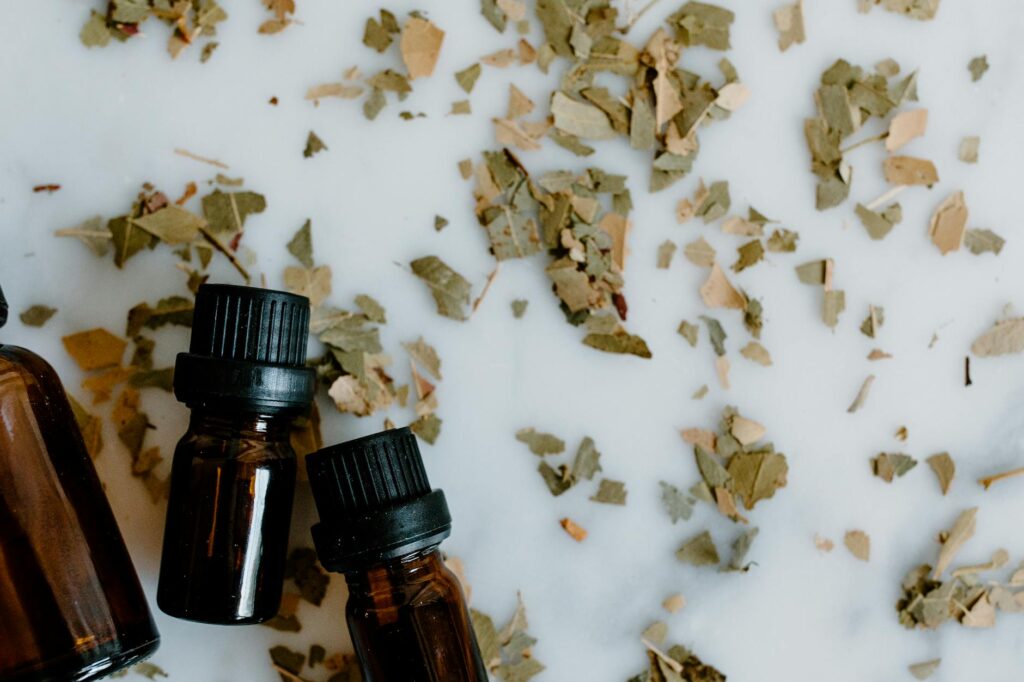
How Aromatherapy Blends for Respiratory Health Are Used in Aromatherapy
Introduction
Aromatherapy, the therapeutic use of essential oils, has gained popularity as a complementary approach to enhancing physical and emotional well-being. Among its many applications, aromatherapy blends specifically designed for respiratory health have garnered attention for their potential to support respiratory function and promote a sense of ease in breathing. This article explores the components, benefits, and applications of these specialized blends, providing an informative resource for anyone interested in enhancing their respiratory health through aromatherapy.
What Is Aromatherapy Blends for Respiratory Health?
Aromatherapy blends for respiratory health consist of carefully selected essential oils that are believed to support the respiratory system. These blends may include oils derived from plants known for their soothing, decongestant, or expectorant properties. Common ingredients often feature eucalyptus, peppermint, tea tree, and lavender, among others. These oils can be combined in various ratios to create synergistic effects, enhancing their overall efficacy.
The respiratory system is essential for the exchange of oxygen and carbon dioxide, and factors such as pollution, allergens, and respiratory conditions can impact its function. While aromatherapy is not a substitute for medical treatment, these blends can be used to support respiratory health and improve overall quality of life.
Key Benefits and Properties
When it comes to respiratory health, various essential oils possess unique properties that may offer potential benefits. Here are some of the most commonly used oils in respiratory blends and their key attributes:
Eucalyptus
Known for its refreshing aroma, eucalyptus oil is often used for its decongestant properties. It contains a compound called eucalyptol, which may help to clear airways and promote easier breathing.
Peppermint
Peppermint oil is recognized for its invigorating scent and cooling sensation. It may help open up the airways and provide relief from nasal congestion, making it a popular choice in respiratory blends.
Tea Tree
This essential oil is renowned for its antimicrobial properties, which may help combat respiratory infections. Its fresh aroma can also contribute to a clearer respiratory pathway.
Lavender
While primarily known for its calming effects, lavender oil has mild anti-inflammatory properties that may contribute to respiratory ease. Its soothing aroma can also help alleviate stress and anxiety, which can exacerbate respiratory discomfort.
Lemon
Lemon essential oil is uplifting and can help purify the air. Its refreshing scent may also help to reduce feelings of fatigue, making it valuable in promoting a sense of well-being.
Frankincense
Often used in spiritual practices, frankincense oil has anti-inflammatory properties. It may help ease respiratory distress and is often employed in blends for its grounding aroma.
Common Uses
Aromatherapy blends for respiratory health can be utilized in various settings and situations, including:
- Seasonal Support: During times when allergens are prevalent, such as spring and fall, these blends can be diffused in living spaces to help purify the air and support respiratory function.
- Congestion Relief: In the event of a cold or respiratory infection, inhaling these blends can offer a sense of relief from nasal congestion and promote easier breathing.
- Stress Reduction: The calming properties of certain oils can be beneficial in reducing stress and anxiety, which can negatively impact respiratory health.
- Air Quality Enhancement: Diffusing essential oils can improve indoor air quality, making breathing more pleasant and less irritating.
- Dilution: Essential oils are highly concentrated and should be diluted with a carrier oil before topical application to minimize skin irritation.
- Patch Testing: Before applying any essential oil blend to the skin, it is advisable to conduct a patch test to check for allergic reactions.
- Avoiding Ingestion: Essential oils should not be ingested unless under the guidance of a qualified professional.
- Consulting with Professionals: Individuals with existing health conditions, pregnant or nursing women, and children should consult with healthcare professionals before using essential oils.
- Quality of Oils: It is essential to use high-quality, pure essential oils from reputable sources to ensure safety and efficacy.
- Cool, Dark Place: Store essential oils in a cool, dark place away from direct sunlight and heat sources, as light and heat can degrade their quality.
- Tightly Sealed Containers: Ensure that bottles are tightly sealed to prevent evaporation and oxidation.
- Use Amber or Cobalt Blue Bottles: These colored glass containers help to block UV light, protecting the oils from degradation.
- Shelf Life: The shelf life of essential oils varies; most have a shelf life of 1 to 3 years. Citrus oils tend to have a shorter shelf life, while oils like sandalwood and patchouli may last longer.
Aromatherapy Applications
There are several ways to apply aromatherapy blends for respiratory health, each with its own advantages:
Diffusion
Using an essential oil diffuser is one of the most common methods for dispersing aromatic compounds into the air. This technique allows for a gentle inhalation of the therapeutic properties, creating a soothing environment.
Inhalation
Direct inhalation involves placing a few drops of a respiratory blend on a tissue or cotton ball and taking deep breaths. This method can provide immediate relief from congestion and other respiratory discomforts.
Topical Application
Blends can be diluted with a carrier oil and applied to the chest, back, or wrists. This method allows the essential oils to penetrate the skin and interact with the body, providing localized support.
Steam Inhalation
Adding a few drops of an essential oil blend to hot water and inhaling the steam can be particularly effective for clearing nasal passages and promoting respiratory ease.
Bathing
Incorporating respiratory blends into a warm bath can provide a relaxing experience while allowing the oils to be absorbed through the skin and inhaled.
Safety Considerations
While aromatherapy is generally considered safe when used properly, it is important to follow certain precautions:
Storage and Shelf Life
Proper storage of essential oils is crucial for maintaining their potency and effectiveness. Here are some storage tips:
Frequently Asked Questions
Can aromatherapy blends completely cure respiratory conditions?
Aromatherapy blends are not a cure for respiratory conditions but can be used as a complementary approach to support respiratory health and well-being.
Are there any specific essential oils to avoid for respiratory issues?
Certain essential oils, such as those from strong spices (e.g., clove or cinnamon), may be irritating to the respiratory system. It is essential to choose oils that are known for their gentle and supportive properties.
How often can I use respiratory blends?
The frequency of use depends on individual preferences and sensitivities. It is advisable to start with small amounts and monitor how your body responds.
Can children use aromatherapy blends for respiratory health?
Aromatherapy can be beneficial for children, but it is crucial to use oils that are safe for their age group and to consult with a healthcare professional for guidance.
What is the best way to diffuse essential oils for respiratory support?
Using a diffuser designed for essential oils is the most effective way to disperse the aroma throughout a room. Follow the manufacturer’s instructions for the best results.
Conclusion
Aromatherapy blends for respiratory health offer an intriguing avenue for individuals seeking to enhance their respiratory well-being through natural means. While these blends are not a replacement for medical treatment, they can be a valuable addition to a holistic approach to health. By understanding the properties and applications of essential oils, individuals can make informed choices that may support their respiratory function and overall quality of life.