
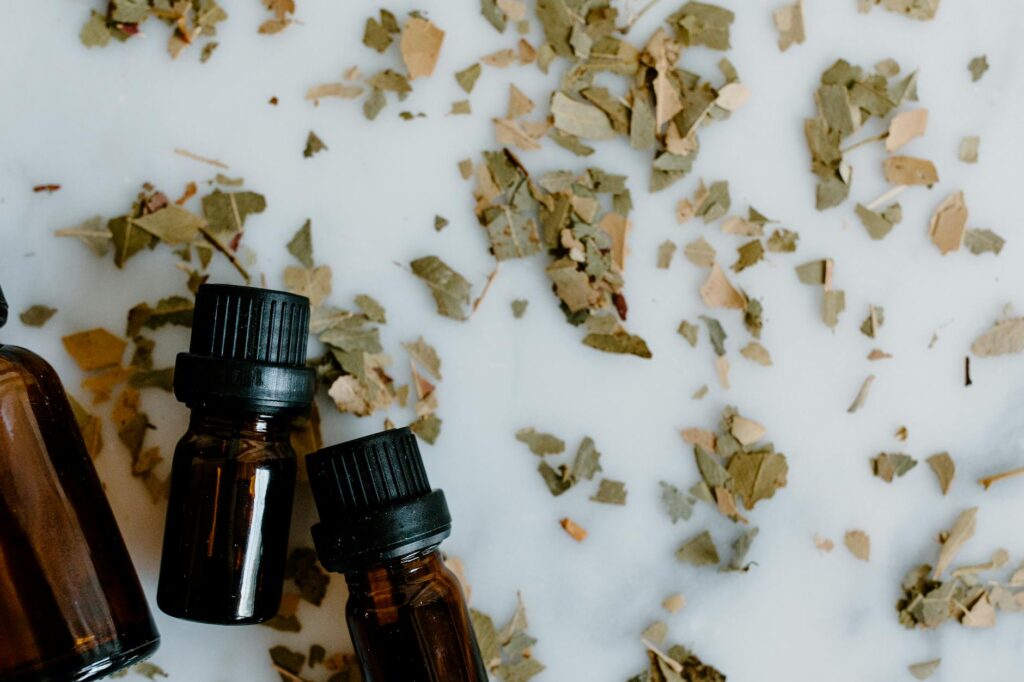
How Aromatherapy Blends for Seasonal Immune Support Are Used in Aromatherapy
Introduction
Aromatherapy, an ancient practice that harnesses the therapeutic properties of essential oils, has gained significant interest in recent years, especially concerning seasonal immune support. With the changing of seasons often comes a variety of environmental challenges that can impact our well-being. Aromatherapy blends specifically designed for immune support aim to bolster the body’s defenses and create a sense of balance and wellness. This article explores what these blends are, their key benefits, common uses, applications, and important considerations for safe usage.
What Is Aromatherapy Blends for Seasonal Immune Support?
Aromatherapy blends for seasonal immune support comprise a combination of essential oils that are believed to enhance the body’s immune system. These blends typically include oils that are known for their antimicrobial, anti-inflammatory, and soothing properties. Commonly, these blends feature oils like eucalyptus, tea tree, lavender, and lemon, among others. The synergy of these oils aims to promote a healthy response to environmental stressors, thus supporting overall wellness during peak seasons of illness.
Key Benefits and Properties
The essential oils used in immune support blends offer a variety of benefits:
1. Antimicrobial Properties: Many essential oils possess natural antimicrobial properties, helping to combat bacteria and viruses. For instance, tea tree oil is frequently recognized for its strong antiseptic qualities.
2. Anti-inflammatory Effects: Certain oils, such as eucalyptus and peppermint, may help reduce inflammation in the body, potentially easing respiratory discomfort and promoting easier breathing.
3. Relaxation and Stress Relief: Seasonal changes can often bring about stress and anxiety. Oils like lavender and chamomile are known for their calming effects, aiding in relaxation and emotional balance.
4. Respiratory Support: Oils such as eucalyptus and thyme may promote clearer airways and respiratory health, offering comfort during seasons when allergens are prevalent.
5. Immune System Boost: Citrus oils like lemon and orange are thought to support the immune system through their invigorating and uplifting properties.
Common Uses
Aromatherapy blends for immune support can be utilized in various ways, including:
- Diffusion: Using an essential oil diffuser to spread the blend throughout a room creates a pleasant and therapeutic atmosphere. This method allows for inhalation of the essential oils, promoting respiratory and emotional well-being.
- Topical Application: When diluted with a carrier oil, immune support blends can be applied to pulse points, chest, or the soles of the feet. This method allows for absorption through the skin, providing localized benefits.
- Bathing: Adding a few drops of an immune support blend to a warm bath can enhance relaxation while allowing for the therapeutic properties of the oils to permeate the skin.
- Inhalation: Inhaling the scent directly from the bottle or using a personal inhaler can provide immediate relief and support.
Aromatherapy Applications
The applications of seasonal immune support blends can be tailored to individual preferences and needs:
Diffusion
1. Home Diffuser: Add a few drops of the immune support blend to a diffuser filled with water. Turn it on for a soothing aroma that fills the space, creating an ambiance conducive to relaxation and wellness.
2. Car Diffuser: Portable diffusers can be used in vehicles to provide a calming environment during travel, especially during peak allergy seasons.
Topical Use
1. Massage: Dilute the essential oils in a carrier oil such as sweet almond or jojoba oil and use it for a soothing massage. Focus on areas like the neck, shoulders, and chest to promote relaxation and respiratory ease.
2. Roller Bottles: Create a convenient roller blend to carry with you. Simply mix the essential oils with a carrier oil in a roller bottle for on-the-go application.
Bathing
1. Soothing Baths: Combine essential oils with bath salts or a neutral base oil to create a relaxing bath experience. The warm water and fragrance can help alleviate stress and promote comfort.
Inhalation
1. Personal Inhalers: Create a personal inhaler by soaking cotton wicks with the essential oil blend. This allows for direct inhalation, making it easy to access the benefits throughout the day.
Safety Considerations
While aromatherapy can be beneficial, it’s essential to keep safety in mind:
1. Dilution: Essential oils should be diluted in a carrier oil before topical application to minimize the risk of skin irritation. A common dilution ratio is 1% (1 drop of essential oil per teaspoon of carrier oil) for sensitive areas.
2. Patch Test: Prior to using a new blend, conduct a patch test on a small area of skin to check for adverse reactions.
3. Consultation: Consult with a qualified aromatherapist or healthcare provider before using essential oils, especially if pregnant, nursing, or taking medications.
4. Age Restrictions: Certain essential oils may not be suitable for infants or young children. Always check age-related guidelines for specific oils.
5. Quality of Oils: Ensure that the essential oils used are of high quality and sourced from reputable suppliers. Look for oils that are pure, organic, and free from synthetic additives.
Storage and Shelf Life
Proper storage of essential oils can extend their shelf life and maintain their efficacy:
1. Cool, Dark Place: Store essential oils in a cool, dark environment away from direct sunlight. Heat and light can degrade the oils over time.
2. Sealed Bottles: Keep the bottles tightly sealed when not in use to prevent evaporation and oxidation.
3. Shelf Life: Most essential oils have a shelf life ranging from 1 to 5 years, depending on the oil type. Citrus oils tend to have a shorter shelf life, while oils like patchouli and sandalwood can last longer. Regularly check for any changes in smell or appearance, as these can indicate that the oil has gone bad.
Frequently Asked Questions
1. Can I create my own aromatherapy blend for immune support?
Yes, you can create your own blend by combining essential oils known for their immune-boosting properties. Consider using a base of eucalyptus, tea tree, and lemon, adjusting the ratios to suit your preferences.
2. How often can I use these blends?
The frequency of use can vary based on individual tolerance. For diffusion, you may run the diffuser for 30 minutes to an hour at a time. For topical applications, it’s best to apply once or twice daily, depending on skin sensitivity.
3. Are there any essential oils I should avoid?
Certain oils may cause skin irritation or adverse reactions, particularly in sensitive individuals. Oils like cinnamon and clove should generally be used with caution and well diluted. Always do a patch test before widespread use.
4. Can aromatherapy replace medical treatment?
Aromatherapy is a complementary practice and should not replace conventional medical treatments. It can be used alongside other wellness practices to support overall health and well-being.
5. Where can I find high-quality essential oils?
Look for reputable suppliers, preferably those that provide information about sourcing, purity, and testing of their oils. Organic and therapeutic-grade oils are often of higher quality.
Conclusion
Aromatherapy blends for seasonal immune support offer a holistic approach to enhancing well-being during changing seasons. The therapeutic properties of essential oils can provide various benefits, including stress relief, respiratory support, and immune system enhancement. By understanding the key benefits, applications, and safety considerations, individuals can safely incorporate these blends into their wellness routines, promoting a healthier and more balanced lifestyle. As always, it is essential to approach aromatherapy with mindful consideration, ensuring that it complements other aspects of health and well-being.