
How Aromatherapy Blends for Seasonal Mood Changes Is Used in Aromatherapy
Introduction
As the seasons change, so too can our moods and emotional states. The transition from the vibrant warmth of summer to the crisp chill of autumn, or the quiet dormancy of winter into the fresh bloom of spring, can evoke a variety of feelings. Aromatherapy, a holistic healing practice that utilizes essential oils, can provide support during these seasonal shifts. This article delves into the concept of aromatherapy blends specifically designed for seasonal mood changes, exploring their benefits, applications, and safety considerations.
What Is Aromatherapy Blends for Seasonal Mood Changes?
Aromatherapy blends for seasonal mood changes are carefully formulated mixtures of essential oils that aim to enhance emotional well-being and provide relief from seasonal affective symptoms. These blends often include oils with uplifting, calming, or balancing properties, tailored to address the unique emotional challenges that different seasons may bring.
Essential oils are extracted from various parts of plants, including flowers, leaves, bark, and roots. Each oil possesses its own distinct aroma and therapeutic properties, making them suitable for various emotional and physical conditions. When combined thoughtfully, these oils can create a synergistic effect, amplifying their individual benefits and fostering a sense of emotional balance.
Key Benefits and Properties
The benefits of using aromatherapy blends for seasonal mood changes can vary, but several key properties are commonly recognized:
1. Mood Enhancement: Certain essential oils, such as bergamot, sweet orange, and lavender, are known for their uplifting qualities, helping to elevate mood and reduce feelings of sadness or anxiety.
2. Stress Relief: Essential oils like chamomile and frankincense are often used for their calming effects, which can assist in alleviating stress associated with seasonal changes.
3. Emotional Balance: Oils such as ylang-ylang and geranium can promote emotional stability and resilience, enabling individuals to adapt more easily to seasonal transitions.
4. Support for Rest: As daylight diminishes in the fall and winter months, some may experience disruptions in sleep patterns. Essential oils like cedarwood and marjoram can promote relaxation and restful sleep.
5. Invigoration: During the lethargy often associated with colder months, invigorating oils like peppermint and rosemary can stimulate the senses and increase energy levels.
Common Uses
Aromatherapy blends for seasonal mood changes can be utilized in various ways, including:
- Diffusion: Adding a few drops of a seasonal blend to a diffuser allows the aroma to fill a room, creating a soothing environment.
- Topical Application: Diluting essential oils in a carrier oil and applying them to pulse points (such as wrists, neck, or behind the ears) can provide immediate emotional support.
- Bathing: Incorporating essential oils into bathwater can create a relaxing experience. When blended with a carrier, they can enhance the soothing properties of a warm bath.
- Inhalation: Direct inhalation of essential oil blends from the bottle or a personal inhaler can provide quick relief and emotional support.
- Diffusers: Electric or candle diffusers are popular for dispersing essential oils into the air.
- Roller Bottles: Pre-diluted blends in roller bottles offer an easy way to apply oils topically.
- Inhalers: Personal inhalers allow for discreet and convenient inhalation of essential oils.
- Bath Salts: Mixing essential oils with Epsom salts can create a luxurious bath experience.
- Dilution: Essential oils should be diluted with a carrier oil (such as jojoba, coconut, or almond oil) before applying to the skin to prevent irritation.
- Sensitivity Testing: Conduct a patch test on a small area of skin to check for any adverse reactions, especially for those with sensitive skin.
- Quality of Oils: Use high-quality, pure essential oils from reputable sources to avoid adulterated products that may cause harm.
- Consultation: For individuals with specific health conditions, pregnant women, or those nursing, consulting a healthcare professional before using essential oils is advisable to ensure safety.
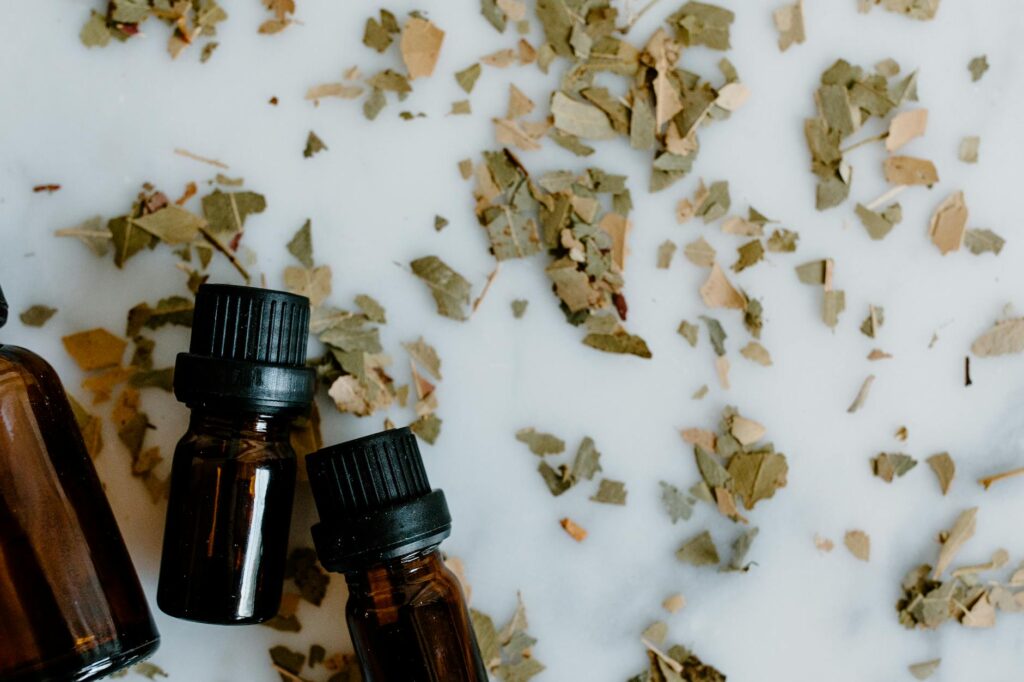
- Dark Glass Containers: Store essential oils in dark glass bottles to protect them from light, which can degrade their quality.
- Cool, Dry Environment: Keep oils in a cool, dry place, away from direct sunlight and heat sources.
- Shelf Life: The shelf life of essential oils varies; generally, citrus oils may last about one to two years, while woody oils like cedarwood can last much longer, up to five years or more. Always check for changes in aroma or consistency as indicators of spoilage.
Aromatherapy Applications
Seasonal Blends
1. Spring Awakening Blend: Typically includes oils such as lemon, grapefruit, and basil to promote optimism and rejuvenation as nature begins to bloom.
2. Summer Uplift Blend: A blend that may contain oils like orange, peppermint, and rosemary to invigorate and energize during the long, vibrant days of summer.
3. Autumn Comfort Blend: Often features warm and grounding oils such as cinnamon, clove, and cedarwood, promoting feelings of warmth and comfort as the days grow shorter.
4. Winter Restorative Blend: Incorporates calming oils like lavender, frankincense, and chamomile to help ease stress and foster a sense of peace during the colder months.
Method of Application
Safety Considerations
While aromatherapy can be beneficial, it is essential to approach its use with caution. Here are some important safety considerations:
Storage and Shelf Life
Proper storage of essential oils is crucial for maintaining their effectiveness. Here are some guidelines:
Frequently Asked Questions
1. Can I create my own blends for seasonal mood changes?
Yes, many individuals enjoy creating their own blends by experimenting with different essential oils. Start with a few oils known for their mood-enhancing properties, and adjust the ratios to suit your personal preferences.
2. How do I know which oils to choose for my mood?
Researching the properties of various essential oils can help you make informed choices. You may also consider keeping a journal to track how different scents affect your mood.
3. Can essential oils help with anxiety or depression?
While many individuals report positive emotional effects from using aromatherapy, it is important to note that essential oils should not replace professional treatment for anxiety or depression. Always consult a healthcare professional for guidance.
4. How often can I use aromatherapy blends?
The frequency of use can vary based on individual preference and sensitivity. Many people find using blends daily or as needed is beneficial, but listening to your body is key.
5. Are there any essential oils I should avoid?
Certain essential oils may not be suitable for everyone, including those with specific health conditions or allergies. Always research oils and consult with a healthcare professional if unsure.
Conclusion
Aromatherapy blends for seasonal mood changes offer a holistic approach to supporting emotional well-being throughout the year. By harnessing the unique properties of essential oils, individuals can create personalized blends that resonate with their emotional needs during different seasons. By understanding their applications, benefits, and safety considerations, one can effectively incorporate aromatherapy into their daily routine, enhancing mood and fostering emotional balance.