
How Aromatherapy Blends for Sleep Disorders Is Used in Aromatherapy
Introduction
In the modern world, sleep disorders have become increasingly prevalent, affecting millions of individuals. As people seek natural remedies to promote restful sleep, aromatherapy has emerged as a popular choice. This holistic approach utilizes essential oils derived from plants to enhance emotional and physical well-being. This article delves into aromatherapy blends specifically designed for sleep disorders, exploring their benefits, common applications, and safety considerations.
What Is Aromatherapy Blends for Sleep Disorders?
Aromatherapy blends for sleep disorders consist of carefully selected essential oils that are known for their calming and sedative properties. These blends are often formulated to address various sleep-related issues, such as insomnia, restless sleep, and anxiety. Common essential oils used in these blends include lavender, chamomile, bergamot, and cedarwood, each contributing unique qualities to promote relaxation and improve sleep quality.
The practice of using essential oils for therapeutic purposes dates back thousands of years, with roots in ancient cultures. Today, aromatherapy blends are crafted through a combination of art and science, balancing the aromatic profiles of different oils to create synergistic effects that enhance their overall efficacy.
Key Benefits and Properties
Aromatherapy blends for sleep disorders offer a range of benefits:
1. Promote Relaxation: Many essential oils possess calming properties that help to reduce stress and anxiety, creating a conducive environment for sleep.
2. Improve Sleep Quality: Certain oils can enhance the depth and quality of sleep, allowing individuals to wake up feeling more rested.
3. Reduce Insomnia Symptoms: For some, specific blends may help alleviate the symptoms of insomnia, including difficulty falling asleep or frequent awakenings.
4. Enhance Mood: The use of uplifting oils can contribute to an overall sense of well-being, helping to alleviate feelings of sadness or negativity that can interfere with restful sleep.
5. Support Emotional Balance: Aromatherapy can promote emotional stability and resilience, which may indirectly improve sleep patterns.
Common Uses
Aromatherapy blends for sleep disorders are versatile and can be used in various ways:
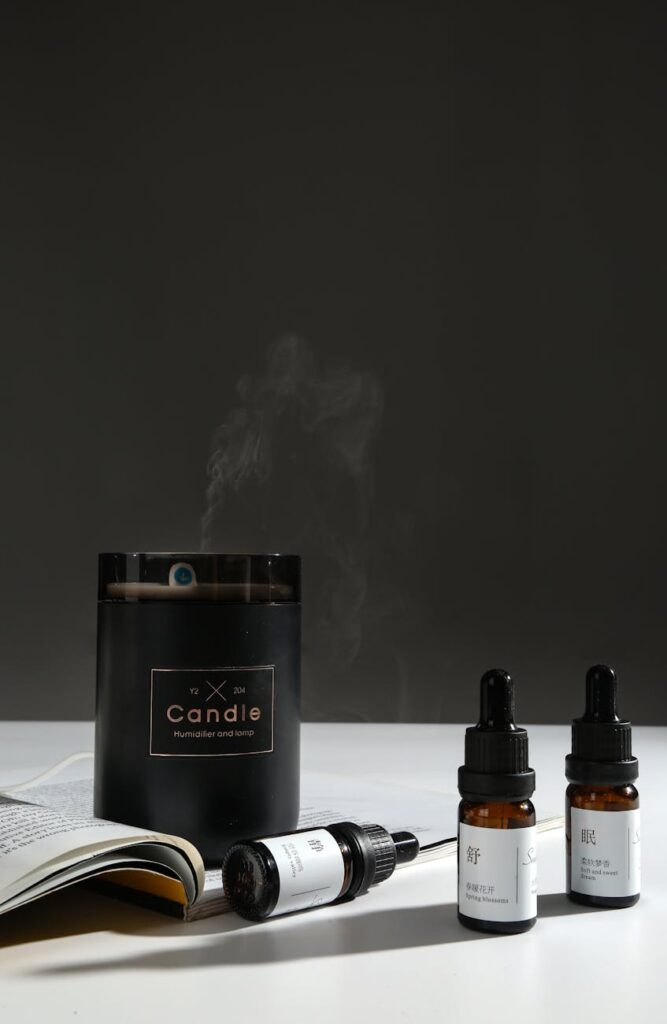
1. Diffusion: Utilizing a diffuser to disperse essential oils into the air is one of the most popular methods. The gentle aroma envelops the space, encouraging relaxation and signaling the body to prepare for sleep.
2. Topical Application: When diluted with a carrier oil, aromatherapy blends can be applied to pulse points, such as the wrists, neck, or temples. This method allows for direct absorption and personalized application.
3. Bathing: Adding a few drops of an aromatherapy blend to a warm bath can create a soothing environment, promoting relaxation and easing tension in the body.
4. Pillow Sprays: Spraying a diluted blend onto pillows or bedding can create a calming atmosphere, enhancing the sleep environment.
5. Inhalation: Inhaling the aroma directly from the bottle or through a personal inhaler can provide immediate calming effects, making it a useful tool for those experiencing acute anxiety or restlessness at bedtime.
Aromatherapy Applications
Several essential oils are commonly included in aromatherapy blends for sleep disorders. Here are a few notable examples:
- Lavender: Renowned for its calming properties, lavender oil is one of the most studied essential oils in relation to sleep. It may help decrease heart rate and blood pressure, promoting relaxation.
- Chamomile: Often consumed as a tea, chamomile essential oil is also valued for its soothing effects and ability to promote restful sleep.
- Bergamot: This citrus oil is known for its uplifting properties while also having a calming effect on the nervous system, making it an excellent addition to sleep blends.
- Cedarwood: With its warm, woody scent, cedarwood oil is believed to promote deeper sleep and relaxation, helping to alleviate anxiety.
- Sandalwood: Known for its rich aroma, sandalwood is often used in meditation and relaxation practices, making it a valuable component in sleep blends.
- Keep Away from Light: Essential oils should be stored in dark glass containers to protect them from light exposure, which can degrade their quality.
- Cool Temperatures: Store oils in a cool, dry place, away from direct heat sources. Excessive heat can alter their chemical composition.
- Tightly Sealed: Ensure that containers are tightly sealed to prevent evaporation and contamination.
- Shelf Life: Most essential oils have a shelf life of 1 to 5 years, depending on the oil. Citrus oils, for example, tend to have a shorter shelf life, while oils like patchouli and sandalwood can last longer.
These essential oils can be combined in various proportions to create personalized blends that cater to individual preferences and needs.
Safety Considerations
While aromatherapy is generally considered safe, certain precautions should be taken:
1. Dilution: Essential oils should always be diluted with a carrier oil before topical application to avoid skin irritation. Common carrier oils include sweet almond oil, jojoba oil, and coconut oil.
2. Sensitivity: Individuals may have varying levels of sensitivity to essential oils. It is advisable to perform a patch test before applying a new blend to a larger area of skin.
3. Pregnancy and Lactation: Pregnant or nursing individuals should consult with a qualified professional before using essential oils, as some oils may not be suitable.
4. Medical Conditions: Individuals with certain medical conditions or those taking medications should seek professional guidance regarding the use of essential oils.
5. Children and Pets: Caution should be exercised when using essential oils around children and pets, as some oils can be toxic to animals or may cause allergic reactions in young children.
Storage and Shelf Life
Proper storage of essential oils and aromatherapy blends is essential to maintain their potency and effectiveness. Here are some tips for optimal storage:
Frequently Asked Questions
1. How do I know which oils to use for sleep?
Choosing the right oils often depends on personal preference and how the oils make you feel. Experimenting with different combinations can help you discover what works best for you.
2. Can I use aromatherapy blends for sleep every night?
Yes, many individuals find that using aromatherapy blends for sleep on a nightly basis can be beneficial. However, it’s essential to listen to your body and adjust your usage as needed.
3. Are there any side effects of using essential oils?
While essential oils are generally safe, some individuals may experience allergic reactions or skin irritation. It’s crucial to use properly diluted oils and perform patch tests when trying new oils.
4. Can I combine different essential oils in a blend?
Absolutely! Combining different essential oils can enhance the therapeutic effects and create a more enjoyable aroma. Just be sure to research the properties of each oil to create a well-balanced blend.
5. Where can I purchase quality essential oils?
Quality essential oils can be found at health food stores, specialty shops, and online. Look for reputable brands that provide detailed information about their sourcing and distillation processes.
Conclusion
Aromatherapy blends for sleep disorders offer a natural, holistic approach to enhancing sleep quality and promoting relaxation. By utilizing carefully selected essential oils, individuals can create personalized blends that cater to their specific needs. While aromatherapy is not a substitute for professional medical advice, it can be a valuable addition to a wellness routine. As with any therapeutic practice, understanding the properties and applications of essential oils is essential for maximizing their benefits and ensuring safety.