
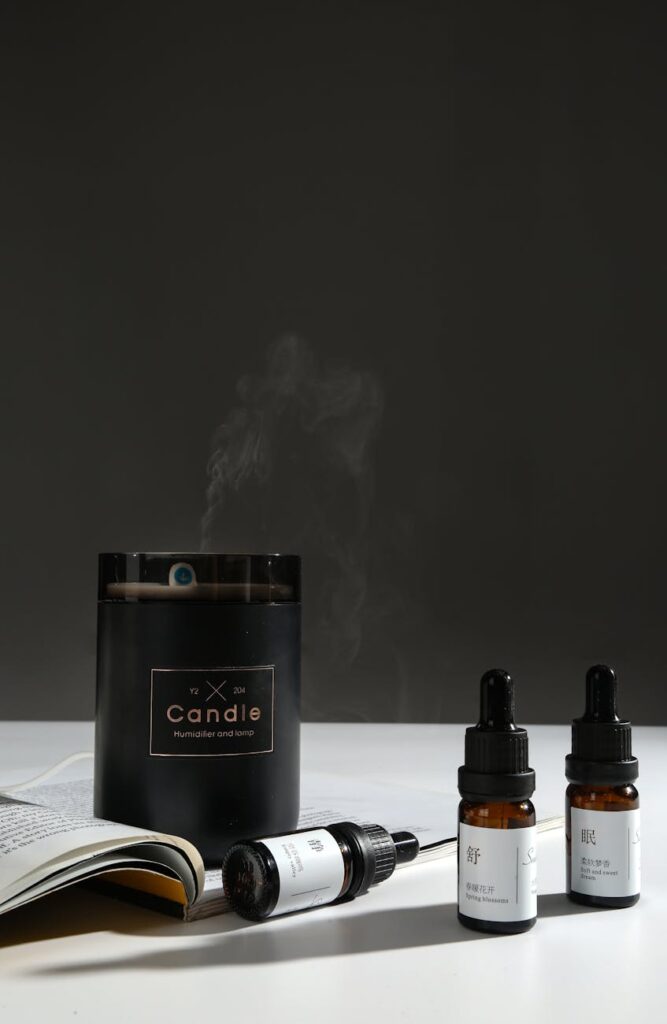
How Aromatherapy Blends for Sleep Induction Is Used in Aromatherapy
Introduction
In an increasingly fast-paced world, sleep disturbances have become a common concern for many individuals. Aromatherapy, a holistic practice that utilizes essential oils derived from plants, offers a natural approach to promote relaxation and enhance sleep quality. Among the various applications of aromatherapy, blends specifically designed for sleep induction have gained popularity. This article explores the nuances of aromatherapy blends for sleep, highlighting their components, benefits, applications, and safety considerations.
What Is Aromatherapy Blends for Sleep Induction?
Aromatherapy blends for sleep induction are carefully formulated mixtures of essential oils that aim to create a calming and serene environment conducive to rest. These blends typically include oils known for their sedative and relaxing properties. Common essential oils used in these blends include lavender, chamomile, bergamot, and sandalwood, among others. Each oil contributes unique characteristics that enhance the overall effectiveness of the blend, working synergistically to promote better sleep.
Key Benefits and Properties
1. Promotes Relaxation
Many essential oils possess properties that can induce relaxation. For example, lavender oil is renowned for its ability to calm the nervous system and reduce anxiety, making it a staple in sleep-inducing blends.
2. Reduces Stress
Stress is a major contributor to sleep disturbances. Essential oils like bergamot and frankincense are known for their ability to alleviate feelings of tension and promote emotional well-being. Their inclusion in sleep blends can help create a peaceful atmosphere, allowing for easier transition into sleep.
3. Enhances Sleep Quality
Several studies suggest that certain essential oils can improve sleep quality. Chamomile, for instance, is often cited for its mild sedative effects, helping individuals achieve deeper and more restorative sleep.
4. Creates a Calming Atmosphere
The scent of essential oils can transform a space, creating a soothing environment. A well-crafted sleep blend can fill a room with calming fragrances that signal the brain to unwind, making it easier to drift off to sleep.
Common Uses
Aromatherapy blends for sleep induction can be used in various ways:
1. Diffusion
One of the most popular methods for using these blends is through diffusion. An essential oil diffuser disperses the aromatic compounds into the air, filling the room with a calming scent. This method is particularly effective in bedrooms, creating an atmosphere that encourages relaxation.
2. Topical Application
Some blends can be applied topically to pulse points, such as wrists, behind the ears, or the temples. When using essential oils on the skin, it is crucial to dilute them with a carrier oil, such as coconut or jojoba oil, to avoid irritation.
3. Bathing
Adding aromatherapy blends to a warm bath can enhance relaxation. The warm water opens the pores, allowing the essential oils to be absorbed into the skin, while the aromatic steam helps to calm the mind.
4. Pillow Sprays
Creating a pillow spray by mixing essential oils with water in a spray bottle can be an effective way to incorporate these scents into a nighttime routine. Spraying the blend on pillows and bedding helps create a soothing environment for sleep.
Aromatherapy Applications
1. Sleep-Inducing Blends
Various combinations of essential oils can be formulated for sleep induction. For instance, a blend of lavender and chamomile is popular for its calming effects. Other combinations may include:
- Lavender and bergamot: Combines the relaxing properties of lavender with the stress-relieving qualities of bergamot.
- Sandalwood and ylang-ylang: Offers a warm, woody scent that is both grounding and soothing.
- Frankincense and cedarwood: Provides a rich, earthy aroma that promotes tranquility and mindfulness.
2. Personalized Blends
Individuals may also choose to create their own personalized blends based on personal preferences and responses to different scents. Experimenting with various oils can lead to the discovery of unique combinations that work best for individual needs.
Safety Considerations
While aromatherapy is generally considered safe, certain precautions should be taken:
1. Dilution
Essential oils are highly concentrated and should always be diluted before topical application. A common dilution ratio is 2-3 drops of essential oil per teaspoon of carrier oil.
2. Skin Sensitivity
Individuals with sensitive skin should perform a patch test before applying essential oils directly to the skin. This involves placing a small amount of diluted oil on an inconspicuous area and waiting 24 hours to check for any adverse reactions.
3. Pre-existing Conditions
Those with pre-existing health conditions or who are pregnant should consult with a qualified healthcare provider before using essential oils.
4. Quality of Oils
The quality of essential oils can vary widely. It is essential to source oils from reputable suppliers who provide pure, therapeutic-grade oils. Look for labels indicating that the oils are 100% pure, free from synthetic additives, and tested for quality.
Storage and Shelf Life
Proper storage of essential oils is crucial to maintaining their potency. Essential oils should be stored in a cool, dark place away from direct sunlight and heat. Glass containers are preferable, as essential oils can react with plastic over time.
Shelf Life
The shelf life of essential oils varies depending on the type. Most essential oils can last from 1 to 3 years when stored properly, but citrus oils tend to have a shorter shelf life, typically around 6 months to 1 year. Always check for any changes in scent or appearance, as these can indicate that an oil has gone bad.
Frequently Asked Questions
1. Can I use aromatherapy blends for sleep induction every night?
Yes, many individuals find that using aromatherapy blends regularly can enhance their sleep quality and overall relaxation. However, it is advisable to periodically evaluate the effectiveness of the blend and make adjustments as needed.
2. Are there any essential oils to avoid for sleep?
While most essential oils are safe for sleep, stimulating oils such as peppermint or citrus oils may not be ideal for nighttime use, as they can energize rather than relax.
3. How long before bedtime should I use the blends?
It is generally recommended to use aromatherapy blends for sleep induction about 30 minutes to an hour before bedtime. This allows the calming effects of the oils to take effect as you prepare for sleep.
4. Can aromatherapy replace sleep medications?
While aromatherapy can be a helpful tool for promoting relaxation and improving sleep quality, it is not a substitute for professional medical advice or treatment. Individuals experiencing chronic sleep issues should consult with a healthcare provider.
Conclusion
Aromatherapy blends for sleep induction present a natural and aromatic approach to enhancing relaxation and promoting restful sleep. By understanding the properties, benefits, and applications of these blends, individuals can harness the power of essential oils to create a soothing nighttime routine. As with any wellness practice, mindfulness and personal preference play significant roles in discovering what works best for each individual. By integrating aromatherapy into daily life, one can cultivate a peaceful environment that fosters better sleep and overall well-being.