
How Aromatherapy Blends for Stress Relief Is Used in Aromatherapy
Introduction
Aromatherapy, a holistic healing practice that utilizes the aromatic properties of essential oils, has gained significant popularity in recent years. Among its many applications, blends designed for stress relief are particularly sought after, offering a natural and soothing approach to managing the stresses of modern life. This article explores the intricacies of aromatherapy blends for stress relief, examining their composition, benefits, applications, and safety considerations.
What Is Aromatherapy Blends for Stress Relief?
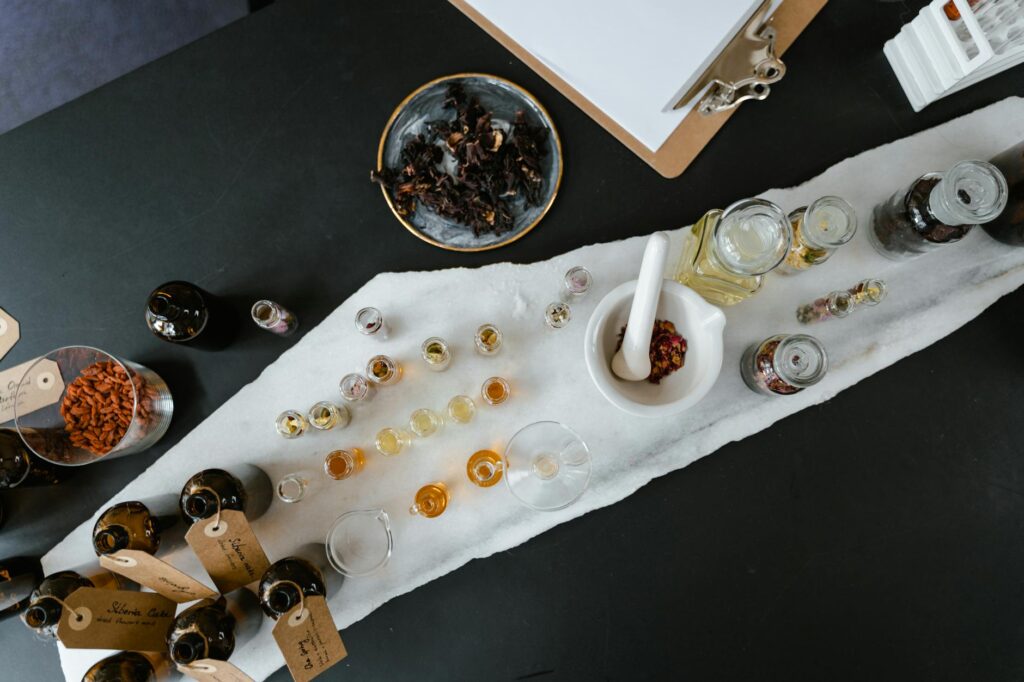
Aromatherapy blends for stress relief are combinations of essential oils specifically selected for their calming and restorative properties. These blends aim to evoke a sense of tranquility and well-being, making them particularly appealing in situations that provoke anxiety, tension, or emotional unrest. Common essential oils used in these blends include lavender, chamomile, bergamot, and ylang-ylang, among others.
The formulation of a stress relief blend often considers the unique characteristics of each essential oil, including their scent profiles, therapeutic properties, and how they interact with one another. The goal is to create a harmonious blend that can enhance relaxation, promote emotional balance, and reduce feelings of stress.
Key Benefits and Properties
1. Calming Effects
Many essential oils have been documented for their calming effects on the mind and body. For instance, lavender oil is renowned for its ability to reduce anxiety and promote sleep. The soothing scent can help lower heart rate and blood pressure, contributing to a more relaxed state.
2. Emotional Support
Certain essential oils are believed to positively influence mood and emotional well-being. Bergamot oil, for example, is often used to alleviate feelings of sadness and anxiety. The uplifting properties of citrus oils can help foster a sense of joy and optimism.
3. Physical Relaxation
Stress often manifests in physical symptoms such as muscle tension and headaches. Essential oils like chamomile and marjoram can aid in relieving physical discomfort associated with stress. Their anti-inflammatory properties may assist in relaxing tense muscles and promoting overall comfort.
4. Improved Sleep Quality
Stress can significantly disrupt sleep patterns. Aromatherapy blends that include sedative oils like vetiver and cedarwood can create a peaceful atmosphere conducive to restful sleep. The calming aromas may help signal to the body that it is time to unwind.
Common Uses
Aromatherapy blends for stress relief can be used in various settings and practices, including:
1. Diffusion
Using an essential oil diffuser is one of the most popular methods for dispersing aromatic compounds throughout a space. Simply add a few drops of your chosen blend to the diffuser, allowing the scent to fill the room and create a calming environment.
2. Inhalation
Direct inhalation of essential oil blends can provide immediate stress relief. This can be achieved by adding a few drops to a cotton ball or tissue and inhaling deeply. A personal inhaler can also be used for on-the-go relief.
3. Topical Application
When diluted with a carrier oil, aromatherapy blends can be applied directly to the skin. Common areas for application include pulse points, such as the wrists and temples, or areas of tension like the neck and shoulders.
4. Bathing
Adding a few drops of a stress relief blend to a warm bath can create a soothing and indulgent experience. The warmth of the water helps to release the essential oils into the air, while the scent envelops you in relaxation.
5. Massage
Incorporating aromatherapy blends into a massage session can enhance the therapeutic effects. The combination of touch and scent can provide a deeply relaxing experience, making it a popular choice in spas and wellness centers.
Aromatherapy Applications
Aromatherapy blends for stress relief can be integrated into daily routines in several ways:
1. Meditation and Mindfulness
Many individuals find that incorporating essential oils into their meditation or mindfulness practices enhances their experience. The calming scents can help ground the mind, promoting deeper relaxation and focus.
2. Work Environment
Using a diffuser or personal inhaler at work can help create a more serene atmosphere, combating workplace stress and anxiety. Certain blends can promote concentration and mental clarity while simultaneously easing tension.
3. Sleep Routine
Incorporating stress relief blends into bedtime rituals can significantly enhance sleep quality. Diffusing calming scents in the bedroom or applying them to pulse points before sleep can create a peaceful environment conducive to rest.
4. Travel
Traveling can be a source of stress for many people. Carrying a personal inhaler or a small bottle of stress relief blend can offer comfort during journeys, whether by plane, train, or car.
Safety Considerations
While aromatherapy is generally considered safe, there are several important safety considerations to keep in mind:
1. Dilution
Essential oils are highly concentrated and should be diluted with a carrier oil (such as coconut oil or jojoba oil) before topical application. A common dilution ratio is 2-3 drops of essential oil per teaspoon of carrier oil.
2. Skin Sensitivity
Some individuals may experience skin sensitivity or allergic reactions to certain essential oils. It is advisable to perform a patch test before widespread topical use. If irritation occurs, discontinue use immediately.
3. Pregnancy and Nursing
Pregnant or nursing individuals should consult a healthcare provider before using essential oils, as certain oils may not be safe for use during this time.
4. Children and Pets
When using essential oils around children or pets, it’s essential to choose oils that are safe for their use and to consult relevant guidelines to ensure their safety.
Storage and Shelf Life
Proper storage is crucial to maintain the integrity and effectiveness of essential oils. Here are some guidelines:
1. Cool, Dark Place
Essential oils should be stored in a cool, dark place away from direct sunlight and heat. This helps preserve their potency and prevents degradation.
2. Sealed Containers
Always keep essential oils in tightly sealed containers to prevent oxidation and evaporation. Dark glass bottles are preferred as they limit light exposure.
3. Shelf Life
The shelf life of essential oils can vary based on their composition and storage conditions. Generally, most oils last between 1 to 3 years. Citrus oils tend to have shorter shelf lives, while resinous oils may last longer.
Frequently Asked Questions
1. How do I choose the right aromatherapy blend for stress relief?
Selecting a blend often depends on personal preferences and the specific stressors you wish to address. Consider experimenting with different blends to find the scents that resonate with you.
2. Can I create my own stress relief blend?
Absolutely! Creating your own blend can be a rewarding experience. Start by selecting a base oil such as lavender or chamomile and add complementary oils like bergamot or ylang-ylang.
3. How often can I use aromatherapy blends for stress relief?
Aromatherapy can be used as often as needed. Whether through diffusion, topical application, or inhalation, listen to your body and use it when you feel the need for relief.
4. Are there any contraindications for using essential oils?
Certain essential oils may interact with medications or may not be suitable for individuals with specific health conditions. It is always wise to research individual oils or consult with a knowledgeable practitioner if you have concerns.
5. Can aromatherapy replace traditional stress management techniques?
Aromatherapy can be a valuable complementary tool in managing stress, but it should not replace traditional methods such as therapy or medical treatment when necessary. It is best used in conjunction with a holistic approach to well-being.
Conclusion
Aromatherapy blends for stress relief offer a natural and holistic approach to managing the pressures of daily life. By harnessing the aromatic properties of essential oils, individuals can create a calming sanctuary that promotes relaxation, emotional balance, and overall well-being. With careful consideration of safety and application methods, aromatherapy can become a cherished part of self-care routines, helping to foster a greater sense of peace in an often chaotic world.