
How Aromatherapy for Burnout Prevention Blends Is Used in Aromatherapy
Introduction
In the fast-paced world we inhabit today, feelings of overwhelm and exhaustion are increasingly common. Burnout, characterized by emotional, physical, and mental fatigue, can affect anyone, from students to professionals. Aromatherapy, an ancient practice that utilizes essential oils derived from plants, has gained traction as a complementary approach to promoting well-being and preventing burnout. This article explores the concept of aromatherapy for burnout prevention blends, examining their benefits, common uses, applications, safety considerations, and more.
What Is Aromatherapy for Burnout Prevention Blends?
Aromatherapy for burnout prevention blends refers to specific combinations of essential oils designed to alleviate feelings of stress, anxiety, and fatigue. These blends are crafted to create a soothing environment and promote emotional balance, allowing individuals to recharge and rejuvenate. Essential oils are concentrated extracts from plants, capturing their aromatic properties and therapeutic benefits. When used in aromatherapy, these oils can influence mood, cognitive function, and overall well-being.
Burnout prevention blends often include oils known for their calming, uplifting, or restorative properties. Typical ingredients may include lavender, bergamot, chamomile, and frankincense, among others. The selection of oils is intentional, aiming to create a synergistic effect that enhances emotional resilience and mental clarity.
Key Benefits and Properties
The benefits of aromatherapy for burnout prevention blends are multifaceted. Some of the key properties include:
1. Stress Reduction: Many essential oils, such as lavender and ylang-ylang, are well-known for their calming effects. Inhaling these scents can promote relaxation and reduce levels of stress hormones.
2. Mood Enhancement: Citrus oils like bergamot and lemon are often used to uplift and energize the spirit. Their invigorating scents can help combat feelings of sadness and fatigue.
3. Mental Clarity: Certain oils, such as rosemary and peppermint, are believed to enhance cognitive function. They can improve focus and concentration, which may be beneficial in overcoming mental fatigue associated with burnout.
4. Emotional Balance: Essential oils can help stabilize emotions. Oils like frankincense and chamomile are used to promote feelings of peace and tranquility, making them ideal for those feeling overwhelmed.
5. Sleep Support: Quality sleep is crucial for preventing burnout. Oils such as lavender and cedarwood can promote restful sleep, ensuring that the body and mind have time to recover.
Common Uses
Aromatherapy blends aimed at preventing burnout can be utilized in various ways, catering to individual preferences and lifestyles:
1. Diffusion: Using an essential oil diffuser allows the scent to permeate a room, creating a calming atmosphere. This method is ideal for homes, offices, or any space where individuals may feel stressed.
2. Topical Application: Blending essential oils with a carrier oil for massage or localized application can provide direct benefits to the body. This approach may help alleviate tension in specific areas, such as the neck or shoulders.
3. Bath Soaks: Adding essential oils to bathwater offers a luxurious way to unwind. The combination of warm water and soothing scents can enhance relaxation and promote a sense of well-being.
4. Inhalation: Simply inhaling essential oils directly from the bottle or using a personal inhaler can provide immediate relief. This method is discreet and can be done anywhere.
5. Aromatherapy Roll-Ons: Pre-made roll-on blends are convenient for on-the-go use. They can easily fit into a purse or pocket, allowing individuals to access calming scents as needed.
Aromatherapy Applications
Creating a burnout prevention blend requires an understanding of essential oil properties and individual preferences. Here are some common essential oils and their typical applications in burnout prevention blends:
1. Lavender (Lavandula angustifolia)
- Properties: Calming, soothing, and balancing.
- Application: Often used in sleep blends or to reduce anxiety. Ideal for diffusion or topical application.
- Properties: Uplifting and refreshing, with mood-enhancing capabilities.
- Application: Effective in blends designed to combat stress and improve mood. Can be diffused or used in bath soaks.
- Properties: Grounding and centering, promoting inner peace.
- Application: Commonly used in meditation blends. Effective for topical application and diffusion.
- Properties: Calming and anti-inflammatory.
- Application: Ideal for relaxation and emotional balance. Can be added to bath soaks or used in roll-ons.
- Properties: Stimulating and clarifying.
- Application: Useful in blends that aim to enhance mental clarity and focus. Can be diffused or used in topical applications.
2. Bergamot (Citrus bergamia)
3. Frankincense (Boswellia carterii)
4. Chamomile (Matricaria chamomilla)
5. Rosemary (Rosmarinus officinalis)
Safety Considerations
While aromatherapy offers numerous benefits, safety is paramount. Here are a few considerations:
1. Dilution: Essential oils are highly concentrated and should be diluted with a carrier oil (such as coconut, jojoba, or almond oil) before topical application to avoid skin irritation.
2. Allergic Reactions: Conduct a patch test by applying a small amount of diluted oil to an inconspicuous area of skin to check for allergic reactions.
3. Pregnancy and Medical Conditions: Certain essential oils may not be suitable for pregnant individuals or those with specific medical conditions. It’s advisable to consult a qualified professional if in doubt.
4. Quality: Use high-quality essential oils from reputable sources. Adulterated or synthetic oils may not provide the desired benefits and can sometimes cause adverse reactions.
Storage and Shelf Life
Proper storage of essential oils is crucial for maintaining their potency and efficacy. Here are some guidelines:
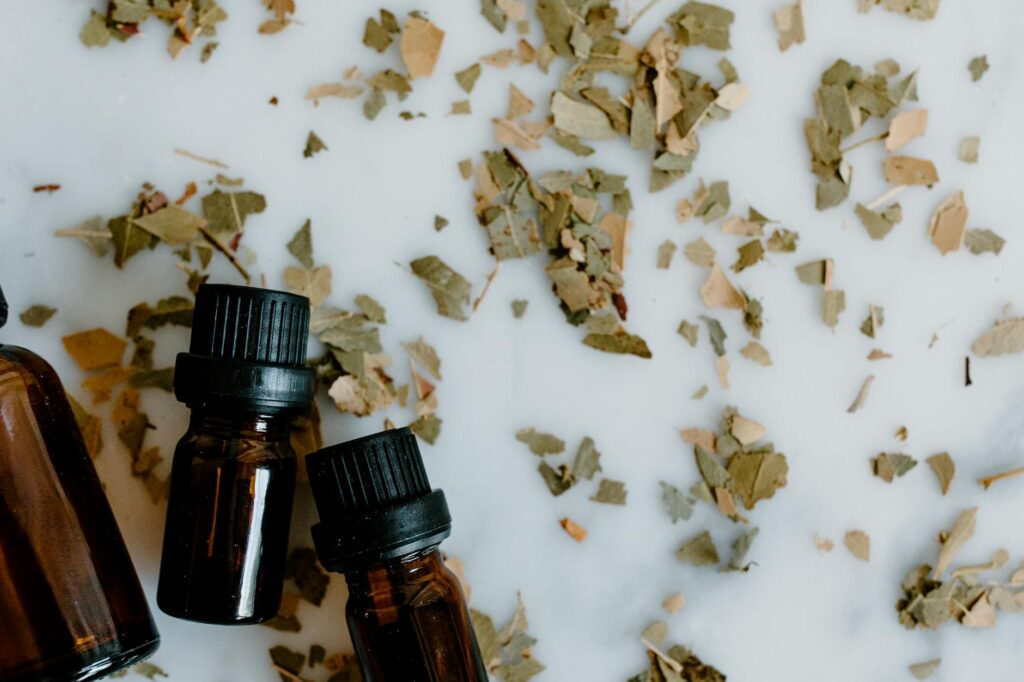
1. Dark Glass Containers: Essential oils should be stored in dark glass bottles to protect them from light exposure, which can degrade their quality.
2. Cool, Dry Place: Keep essential oils in a cool, dry environment, away from heat sources and direct sunlight.
3. Shelf Life: The shelf life of essential oils varies. Most essential oils can last from 1 to 3 years when stored properly. However, citrus oils tend to have a shorter shelf life, typically around 1 to 2 years.
Frequently Asked Questions
1. Can aromatherapy completely prevent burnout?
While aromatherapy can be a helpful tool in managing stress and promoting well-being, it is not a cure-all. It should be used in conjunction with other self-care practices and lifestyle changes.
2. How do I choose the right essential oils for my burnout prevention blend?
Choosing essential oils depends on personal preferences and desired effects. Consider what scents resonate with you and what feelings you wish to evoke—calmness, energy, or clarity.
3. Is it safe to use essential oils around pets?
Some essential oils can be harmful to pets. It’s essential to research specific oils and consult a veterinarian if you have concerns about safety.
4. Can I use essential oils in cooking?
Not all essential oils are safe for ingestion. Always ensure an essential oil is food-grade and consult reliable sources or professionals before using them in cooking.
5. How often should I use aromatherapy for burnout prevention?
The frequency of use depends on individual needs and preferences. Many individuals find benefit in daily practice, while others may use it as needed during particularly stressful times.
Conclusion
Aromatherapy for burnout prevention blends presents a holistic approach to managing stress and promoting emotional well-being. By harnessing the natural properties of essential oils, individuals can create personalized blends that support their journey towards balance and resilience. While aromatherapy is not a substitute for professional help when needed, it can serve as a valuable tool in a comprehensive self-care routine. By understanding the various applications, benefits, and safety considerations, anyone can incorporate this ancient practice into their modern lifestyle for enhanced well-being.