
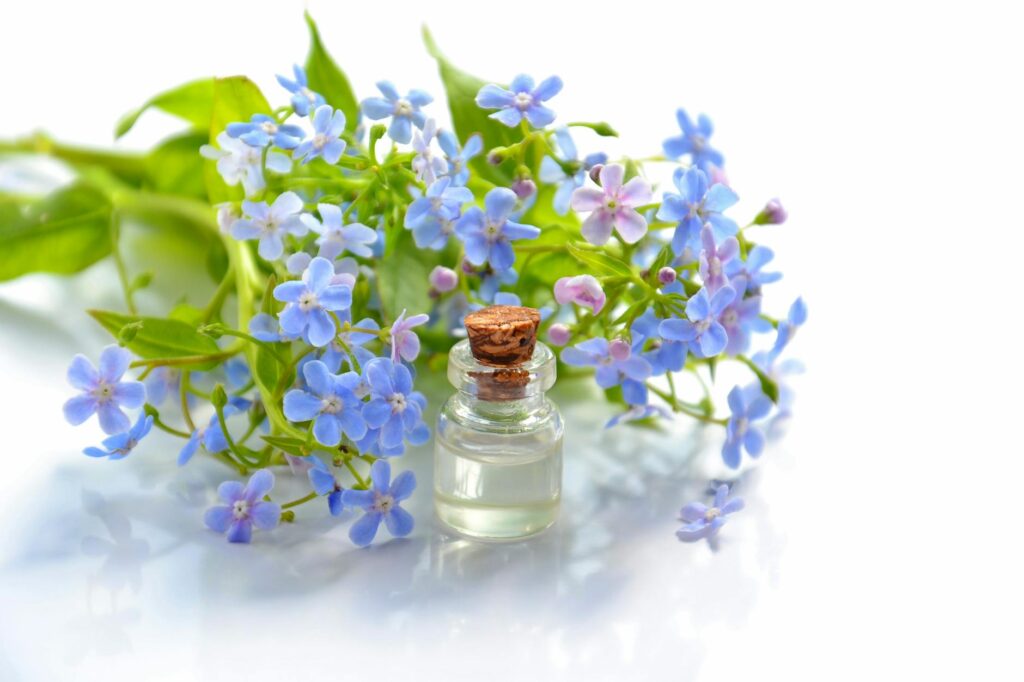
How Aromatherapy for Compassion and Empathy Blends Is Used in Aromatherapy
Introduction
Aromatherapy, the practice of using essential oils for therapeutic purposes, has gained considerable traction in recent years. Among its varied applications, the use of essential oils to foster compassion and empathy is particularly noteworthy. These blends aim to cultivate emotional well-being, enhance interpersonal relationships, and promote a sense of connectedness. This article explores the essence of aromatherapy for compassion and empathy, its benefits, common uses, applications, safety considerations, storage, and frequently asked questions.
What Is Aromatherapy for Compassion and Empathy Blends?
Aromatherapy for compassion and empathy blends involves the use of specific essential oils that are believed to enhance emotional states conducive to understanding, kindness, and emotional connection. The practice is rooted in the belief that certain scents can evoke feelings of warmth, acceptance, and care. While traditional medicine often focuses on physical ailments, aromatherapy provides a holistic approach to emotional health.
Essential oils such as lavender, rose, bergamot, and sandalwood are frequently included in these blends due to their calming and uplifting properties. The combination of these oils can create an aromatic experience that promotes a sense of compassion for oneself and others, encouraging empathy and emotional resilience.
Key Benefits and Properties
Emotional Balance
One of the primary benefits of compassion and empathy blends is their ability to foster emotional balance. Essential oils can help alleviate stress and anxiety, which are often barriers to compassion. By promoting relaxation, these oils create a mental environment conducive to understanding and empathy.
Enhanced Mood
Many essential oils in these blends possess uplifting properties that can enhance mood. Oils like bergamot and sweet orange can help combat feelings of sadness and hopelessness, making it easier for individuals to connect with others on an emotional level.
Deepened Connections
The use of compassion and empathy blends can facilitate deeper connections between individuals. By creating a calming atmosphere, these oils can help individuals feel more at ease, allowing for open communication and emotional sharing.
Mindfulness and Presence
Using essential oils in a mindful manner encourages individuals to stay present during interactions. This mindfulness can enhance empathy, as individuals become more attuned to the feelings and needs of those around them.
Common Uses
Personal Care
Individuals often use compassion and empathy blends in personal care routines, such as during meditation, yoga sessions, or even in daily skincare routines. The calming effects can enhance the benefits of these practices.
Group Settings
In group environments, such as therapy sessions, workshops, or even family gatherings, these blends can create a welcoming and nurturing atmosphere. Diffusing essential oils in shared spaces encourages emotional openness and connection.
Work Environments
In professional settings, compassion and empathy blends can help cultivate a more harmonious workplace. Diffusing these oils in offices can promote collaboration and understanding among colleagues, leading to improved teamwork.
Aromatherapy Applications
Diffusion
One of the most popular methods of applying essential oils is through diffusion. Essential oils can be added to a diffuser, which disperses the aroma throughout a room. This method is effective for creating an environment conducive to compassion and empathy.
Topical Application
Diluting essential oils with a carrier oil and applying them to pulse points, such as wrists or behind the ears, is another method. This allows for a more personal connection with the oils, as they can be inhaled throughout the day.
Inhalation
Inhaling essential oils directly from the bottle or using an inhaler can provide immediate emotional benefits. This method is particularly useful when needing a quick emotional boost or grounding.
Bathing
Incorporating essential oils into bath water can create a serene atmosphere, allowing for relaxation and reflection. This method can be particularly beneficial for self-care routines focused on enhancing compassion and empathy.
Safety Considerations
While essential oils are generally safe when used appropriately, it is essential to adhere to certain safety guidelines:
Dilution
Essential oils are highly concentrated and should be diluted with a carrier oil before topical application. Common carrier oils include jojoba, sweet almond, and coconut oil. A general rule of thumb is to use a 2% dilution, which equates to about 12 drops of essential oil per ounce of carrier oil.
Skin Sensitivity
Conducting a patch test before applying a new essential oil blend to the skin is advisable. Apply a small amount of diluted oil to a discreet area and wait for 24 hours to check for any adverse reactions.
Pregnancy and Nursing
Pregnant and nursing individuals should exercise caution when using essential oils. Consulting a healthcare professional is recommended to ensure safety.
Children and Pets
Some essential oils can be harmful to children and pets. It is crucial to research and select oils that are safe for use around them.
Storage and Shelf Life
Proper storage of essential oils is essential to maintain their efficacy. Here are some tips for storage:
Cool, Dark Place
Essential oils should be stored in a cool, dark place, away from direct sunlight and heat, which can degrade their quality.
Airtight Containers
Using dark glass bottles with airtight lids helps to keep essential oils fresh. Clear glass containers should be avoided, as light can adversely affect the oils.
Shelf Life
The shelf life of essential oils varies. Most oils can last anywhere from one to several years. Citrus oils tend to have a shorter shelf life, while oils like sandalwood and patchouli can improve with age. Regularly check the oils for any changes in scent or consistency.
Frequently Asked Questions
Can I create my own compassion and empathy blend?
Yes, blending essential oils can be a personal and rewarding experience. Start with a base oil and gradually add others until you achieve a scent that resonates with you. Consider the emotional properties of each oil when creating your blend.
Are there any essential oils to avoid?
Certain essential oils, such as wintergreen and eucalyptus, should be used with caution, especially around children and pets. Always research the safety of each oil before use.
How often can I use these blends?
You can use compassion and empathy blends as often as needed, though moderation is advisable. Pay attention to how you feel after use and adjust accordingly.
Can aromatherapy replace traditional therapy?
Aromatherapy is a complementary practice and should not replace traditional therapy or medical treatment. It can, however, enhance emotional well-being and support mental health.
What is the best way to diffuse essential oils?
Using a diffuser specifically designed for essential oils is the most effective method. Follow the manufacturer’s instructions for optimal use and cleaning.
Conclusion
Aromatherapy for compassion and empathy blends presents a unique approach to enhancing emotional well-being and interpersonal connections. By leveraging the properties of essential oils, individuals can cultivate a greater sense of understanding and compassion toward themselves and others. While it is essential to consider safety and proper usage, the benefits of these aromatic blends can contribute significantly to one’s emotional landscape.