
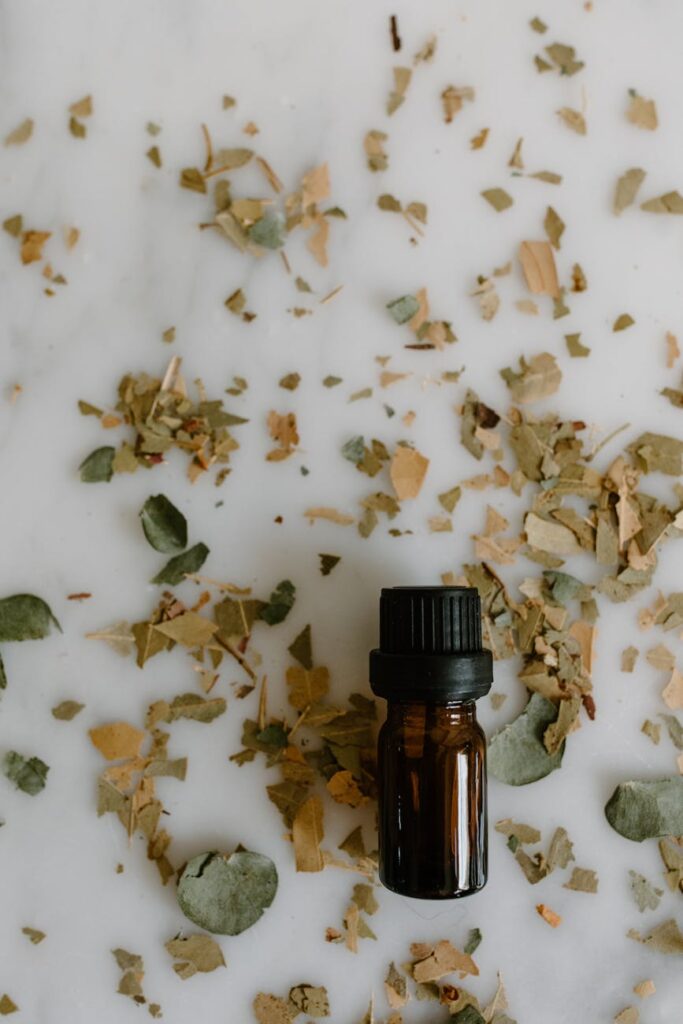
How Aromatherapy for Emotional Cleansing Blends Is Used in Aromatherapy
Introduction
Aromatherapy is a holistic healing practice that utilizes the natural properties of essential oils to promote physical, emotional, and psychological well-being. One of the intriguing aspects of aromatherapy is its application for emotional cleansing, where specific blends are crafted to help individuals release negative emotions, promote mental clarity, and foster a sense of peace. This article delves into the concept of emotional cleansing blends in aromatherapy, exploring their benefits, common uses, applications, safety considerations, and storage practices.
What Is Aromatherapy for Emotional Cleansing Blends?
Aromatherapy for emotional cleansing blends involves the use of essential oils that are believed to aid in the release of negative emotions and promote emotional balance. These blends are typically formulated using a combination of oils known for their uplifting, calming, or purifying properties. The practice is rooted in the idea that essential oils can positively influence our emotional states through their aromatic compounds, which interact with the brain’s limbic system—the center for emotions and memory.
Emotional cleansing blends may include oils like lavender, bergamot, and frankincense, which are thought to help alleviate stress, anxiety, and feelings of sadness. By inhaling these scents or applying them through massage or diffusion, individuals may find it easier to process and release emotional blockages.
Key Benefits and Properties
Emotional cleansing blends offer a range of benefits, primarily focused on enhancing emotional well-being. Here are some key properties and benefits:
- Stress Reduction: Many essential oils used in emotional cleansing blends have calming effects, helping to reduce stress levels and promote relaxation. Oils like chamomile and lavender are often employed for their soothing qualities.
- Mood Enhancement: Certain oils, such as citrus oils (e.g., lemon, orange, and bergamot), are known for their uplifting properties, which can help elevate mood and foster a sense of joy.
- Emotional Release: By encouraging individuals to confront and process their emotions, these blends can support emotional release and healing. Oils like cedarwood and frankincense can create a meditative atmosphere, facilitating deeper introspection.
- Mental Clarity: Oils such as rosemary and peppermint may help enhance focus and clarity, making it easier to navigate emotional challenges.
- Grounding and Centering: Some essential oils, including patchouli and vetiver, are known for their grounding effects, helping individuals feel more centered during emotional turmoil.
- Diffusion: Adding a few drops of an emotional cleansing blend to a diffuser allows the scent to fill a space, creating an atmosphere conducive to emotional release and relaxation.
- Topical Application: When diluted with a carrier oil, these blends can be applied to pulse points or massaged into the skin, allowing for a more intimate connection with the oils.
- Bathing: Incorporating essential oils into bathwater can provide a luxurious, soothing experience that enhances emotional cleansing. Oils like lavender or ylang-ylang are popular choices for bath blends.
- Inhalation: Simply inhaling the scent directly from the bottle or from a cotton ball can provide immediate emotional support.
- Meditation and Yoga: Emotional cleansing blends can enhance mindfulness practices, including meditation and yoga, by promoting a calming environment and deepening the mind-body connection.
- Personal Inhaler: A personal inhaler allows individuals to carry their emotional cleansing blend with them, providing on-the-go support. Simply add a few drops of the blend to the cotton wick inside the inhaler.
- Roller Bottles: Creating a roller bottle blend makes it easy to apply the oils topically. Mix essential oils with a carrier oil, such as jojoba or sweet almond oil, in a roller bottle for convenient application.
- Room Sprays: Blending essential oils with water and a solubilizer can create a refreshing room spray that not only cleanses the air but also uplifts the atmosphere.
- Scented Sachets: Placing dried herbs and essential oils in a sachet can help purify and uplift a space, making it an excellent choice for closets or drawers.
- Ceremonial Use: Some individuals incorporate emotional cleansing blends into rituals or ceremonies aimed at releasing emotional burdens, enhancing the spiritual aspect of the practice.
- Dilution: Essential oils should be diluted in a carrier oil prior to topical application to prevent skin irritation. A typical dilution ratio is 1-2% for adults, which translates to about 6-12 drops of essential oil per 1 ounce of carrier oil.
- Allergies and Sensitivities: Individuals should conduct a patch test before using a new essential oil to check for any allergic reactions or sensitivities.
- Pregnancy and Nursing: Certain essential oils are contraindicated during pregnancy or nursing. It is advisable to consult with a knowledgeable professional when considering the use of essential oils in these situations.
- Children and Pets: Some essential oils can be harmful to children and pets. It is essential to research and select kid-friendly or pet-safe oils when using aromatherapy in homes with these individuals.
- Consultation with Professionals: While aromatherapy can offer emotional support, it should not replace professional mental health treatment. Individuals experiencing significant emotional distress should consult with a qualified mental health professional.
- Dark Glass Bottles: Essential oils should be stored in dark glass bottles to protect them from light, which can degrade their quality.
- Cool, Dry Place: Store oils in a cool, dry place away from direct sunlight and heat. This helps prevent evaporation and oxidation.
- Tight Seals: Ensure that bottles are tightly sealed to minimize exposure to air, which can affect the oils’ aroma and therapeutic properties.
- Shelf Life: The shelf life of essential oils varies depending on the type. Generally, citrus oils have a shorter shelf life (1-2 years), while oils like sandalwood and patchouli can last for several years when stored properly.
Common Uses
Emotional cleansing blends can be utilized in various ways to suit individual preferences and needs. Here are some common uses:
Aromatherapy Applications
The application of emotional cleansing blends can vary based on individual preferences and specific emotional needs. Here are some methods to effectively utilize these blends:
Safety Considerations
While aromatherapy is generally considered safe, there are important safety considerations to keep in mind, especially when using essential oils for emotional cleansing:
Storage and Shelf Life
Proper storage of essential oils is crucial for maintaining their potency and efficacy. Here are some guidelines for storing emotional cleansing blends:
Frequently Asked Questions
1. What are some popular essential oils for emotional cleansing?
Popular essential oils for emotional cleansing include lavender, bergamot, frankincense, chamomile, and lemon. Each oil carries unique properties that can support emotional well-being.
2. Can I create my own emotional cleansing blend?
Yes, creating your own emotional cleansing blend allows for personalization based on your individual emotional needs. Start with a base oil and add essential oils that resonate with you.
3. How often can I use emotional cleansing blends?
Usage can vary based on individual preference. Some may use their blends daily, while others might reserve them for specific situations. Listen to your body and adjust accordingly.
4. Are there any essential oils to avoid?
Certain oils may be contraindicated for specific populations or situations, such as pregnancy or certain medical conditions. Research and choose oils that are safe for your circumstances.
5. Can aromatherapy replace therapy or medication?
Aromatherapy can be a complementary practice but should not replace professional mental health treatment or prescribed medication. It’s essential to consult healthcare providers for any significant emotional concerns.
Conclusion
Aromatherapy for emotional cleansing blends provides a holistic approach to emotional well-being by harnessing the power of essential oils. Through understanding their benefits, applications, and safety considerations, individuals can effectively incorporate these blends into their self-care routines. As with any holistic practice, it is essential to approach aromatherapy with mindfulness and respect, allowing for a deeper connection to oneself and the emotional journey.