
How Aromatherapy for Emotional Resilience Blends Is Used in Aromatherapy
Introduction
Aromatherapy, the practice of using aromatic plant extracts for therapeutic purposes, has gained popularity as a complementary approach to emotional well-being. Among its many applications, the use of essential oil blends designed for emotional resilience has become particularly noteworthy. This article explores the concept of emotional resilience blends, their benefits, common uses, applications, safety considerations, storage, and frequently asked questions.
What Is Aromatherapy for Emotional Resilience Blends?
Aromatherapy for emotional resilience blends refers to the formulation of specific essential oils that aim to support emotional stability, enhance mood, and promote overall psychological well-being. These blends typically combine several essential oils, each selected for its unique properties that contribute to emotional health. Commonly used oils include lavender, bergamot, frankincense, and ylang-ylang, among others.
The idea is to create a harmonious blend that can help individuals cope with stress, anxiety, and emotional upheaval, thereby fostering resilience in the face of life’s challenges.
Key Benefits and Properties
1. Stress Reduction
Many essential oils used in emotional resilience blends possess calming properties that can help alleviate stress. For instance, lavender is renowned for its ability to promote relaxation and sleep, making it a staple in many formulations.
2. Mood Enhancement
Certain oils, such as bergamot and sweet orange, are known for their uplifting qualities. They can help combat feelings of sadness or lethargy, promoting a more positive emotional state.
3. Grounding and Centering
Essential oils like vetiver and frankincense are often used to create a sense of grounding, helping individuals feel more centered and stable during turbulent times.
4. Emotional Release
Some oils facilitate emotional release by encouraging the expression of feelings. Rose and chamomile, for example, are often included in blends aimed at helping individuals process their emotions more effectively.
5. Support for Mental Clarity
Certain oils can enhance focus and mental clarity, which can be especially beneficial during times of emotional distress. Peppermint and rosemary are popular choices in this regard.
Common Uses
1. Diffusion
One of the most popular methods for utilizing emotional resilience blends is through diffusion. Using an essential oil diffuser, individuals can disperse the aromatic molecules into the air, creating a calming atmosphere conducive to emotional well-being.
2. Topical Application
Emotional resilience blends can also be applied topically, often diluted with a carrier oil. This method allows for the direct absorption of the oils into the skin, where they can exert their effects more rapidly.
3. Inhalation
Simple inhalation can be an effective way to use these blends. Individuals can place a few drops on a tissue or cotton ball and inhale deeply, providing immediate emotional support.
4. Bathing
Adding essential oils to a warm bath can create a nurturing environment for emotional healing. When combined with Epsom salts or a carrier oil, these blends can enhance relaxation and comfort.
5. Meditation and Mindfulness Practices
Incorporating emotional resilience blends into meditation or mindfulness practices can deepen the experience. The scents can help to anchor the individual, facilitating a greater connection to the present moment.
Aromatherapy Applications
Aromatherapy for emotional resilience isn’t limited to just personal use. It has found its place in various settings, including:
1. Counseling and Therapy
Some therapists and counselors incorporate aromatherapy into their practice, using essential oils to create a calming environment that fosters openness and healing.
2. Wellness Centers
Spa and wellness centers often offer aromatherapy sessions that include emotional resilience blends as part of their holistic approach to mental and emotional health.
3. Educational Workshops
Workshops focused on self-care often incorporate the use of essential oils, teaching individuals how to create their own emotional resilience blends for personal use.
4. Home Environments
Many people choose to integrate emotional resilience blends into their home life, using diffusers, candles, or personal inhalers to maintain a supportive atmosphere.
Safety Considerations
While aromatherapy is generally considered safe, there are several safety considerations to keep in mind:
1. Dilution
Essential oils are highly concentrated and should typically be diluted with a carrier oil before topical application. This helps prevent skin irritation and sensitivity.
2. Allergies and Sensitivities
Individuals should conduct a patch test before using a new essential oil to check for any allergic reactions or sensitivities.
3. Contraindications
Certain essential oils may not be suitable for pregnant or nursing women, children, or individuals with specific health conditions. It’s important to research each oil thoroughly before use.
4. Quality of Oils
Not all essential oils are created equal. It is crucial to source high-quality, pure essential oils from reputable suppliers to ensure safety and efficacy.
Storage and Shelf Life
Proper storage of essential oils is essential for maintaining their potency and effectiveness over time. Here are some tips for storage:
1. Dark Glass Containers
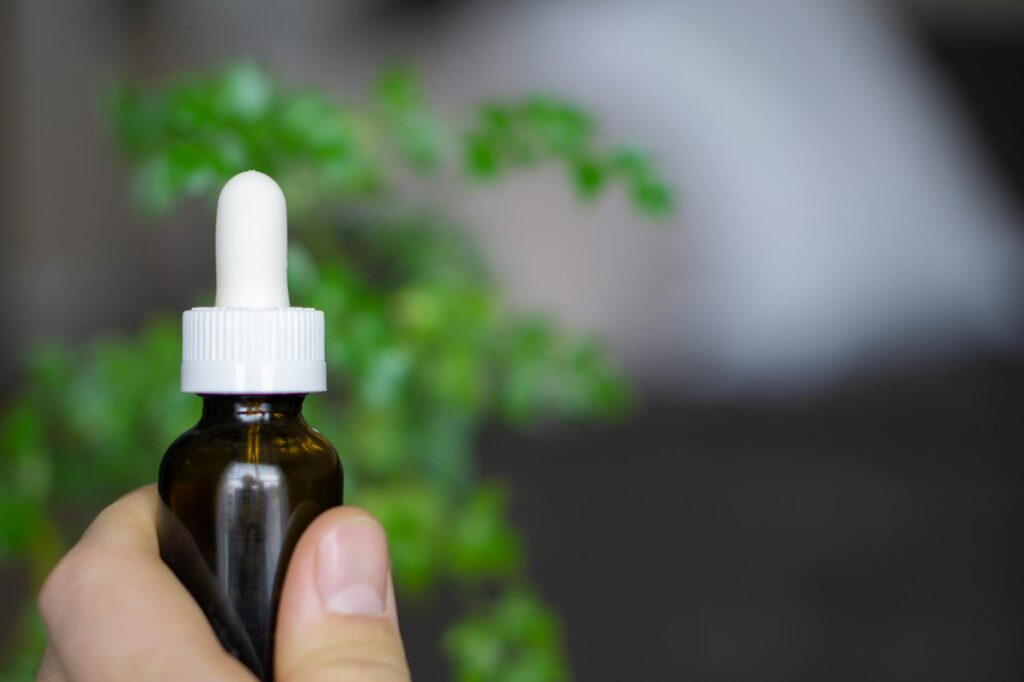
Essential oils should be stored in dark glass bottles to protect them from light, which can degrade their quality.
2. Cool, Dry Place
Oils should be kept in a cool and dry environment, away from direct sunlight and heat sources.
3. Shelf Life
The shelf life of essential oils varies depending on the type. Generally, citrus oils have a shorter shelf life (around 1-2 years), while oils like sandalwood and patchouli can last for many years if stored properly.
Frequently Asked Questions
1. Can I create my own emotional resilience blend?
Yes, many individuals enjoy crafting their own blends. Begin by selecting a few essential oils that resonate with you and have properties aligned with your emotional goals.
2. How often should I use emotional resilience blends?
The frequency of use can vary by individual preference. Many people find daily use beneficial, while others may use them as needed.
3. Are there any specific oils I should avoid?
Some essential oils may not be suitable for everyone. It is best to research and consult reputable sources about any specific oils and their contraindications.
4. Can I use emotional resilience blends with children?
Certain essential oils can be safe for children; however, it is crucial to dilute them appropriately and consult guidelines to ensure safety.
5. What is the best method for using emotional resilience blends?
The best method largely depends on personal preference. Diffusion, topical application, and inhalation are all effective ways to experience the benefits of these blends.
Conclusion
Aromatherapy for emotional resilience blends offers a holistic approach to emotional well-being, providing support during challenging times. By understanding the benefits, common applications, and safety considerations, individuals can effectively incorporate these essential oils into their daily lives. Whether through diffusion, topical application, or mindfulness practices, emotional resilience blends can serve as valuable tools in fostering a more resilient and balanced emotional state.