
How Aromatherapy for Energy Balance Blends Is Used in Aromatherapy
Introduction
Aromatherapy, the practice of using aromatic plant extracts and essential oils to promote physical and psychological well-being, has gained popularity worldwide. One intriguing aspect of aromatherapy is the use of energy balance blends. These specially formulated combinations of essential oils are designed to help restore harmony and equilibrium within the body, mind, and spirit. This article explores what energy balance blends are, their benefits, common uses, and safety considerations.
What Is Aromatherapy for Energy Balance Blends?
Energy balance blends in aromatherapy are concoctions of essential oils selected for their synergistic effects on the body’s energy levels and emotional states. They aim to address the energetic imbalances that may lead to fatigue, stress, anxiety, or lack of focus. These blends leverage the unique properties of various essential oils, which can influence not only the olfactory system but also emotional and physical states through the limbic system.
Essential oils such as peppermint, rosemary, and citrus oils are often included in energy balance blends due to their invigorating and uplifting properties. Conversely, oils like lavender and chamomile may be used to promote relaxation, creating a harmonious balance between stimulation and calmness.
Key Benefits and Properties
Understanding the benefits and properties of essential oils used in energy balance blends is crucial for appreciating their role in aromatherapy. Here are some of the primary benefits:
1. Energy Enhancement: Certain essential oils are known for their stimulating properties. Oils like peppermint and eucalyptus can invigorate the senses and enhance mental clarity.
2. Stress Reduction: Balancing energy is not solely about stimulation; it also involves alleviating stress. Oils such as lavender and bergamot can help soothe the mind, reducing feelings of tension.
3. Improved Focus and Concentration: Many energy balance blends are formulated to enhance cognitive function. Oils like rosemary and lemon are believed to improve concentration and mental acuity.
4. Emotional Balance: Aromatherapy can have profound effects on emotional health. Essential oils like geranium and ylang-ylang are known to promote emotional stability and resilience.
5. Physical Well-Being: Some oils can help alleviate feelings of fatigue and promote a sense of physical vitality. Oils such as ginger and black pepper can stimulate circulation and invigorate the body.
Common Uses
Energy balance blends are versatile and can be utilized in various settings, including:
1. Personal Care: Many individuals incorporate these blends into their daily routines by adding them to lotions or massage oils.
2. Home Environment: Diffusing energy balance blends in living spaces can create an uplifting atmosphere, enhancing mood and promoting productivity.
3. Workspaces: Applying these blends to pulse points or diffusing them in office environments can help maintain focus and reduce stress during work hours.
4. During Exercise: Essential oils can be used in pre-workout preparations to invigorate and energize the body and mind.
5. Meditation and Yoga: Energy balance blends can support mental focus and relaxation during meditation or yoga practices, enhancing overall experience.
Aromatherapy Applications
There are several methods for applying energy balance blends in aromatherapy:
1. Diffusion: Using an essential oil diffuser is one of the most popular ways to disperse essential oils into the air. Diffusion can fill a room with uplifting scents, creating an energizing ambiance.
2. Topical Application: Diluting essential oils in carrier oils (such as jojoba, coconut, or almond oil) allows for safe topical application. This method can help enhance the physical effects of the oils on the body.
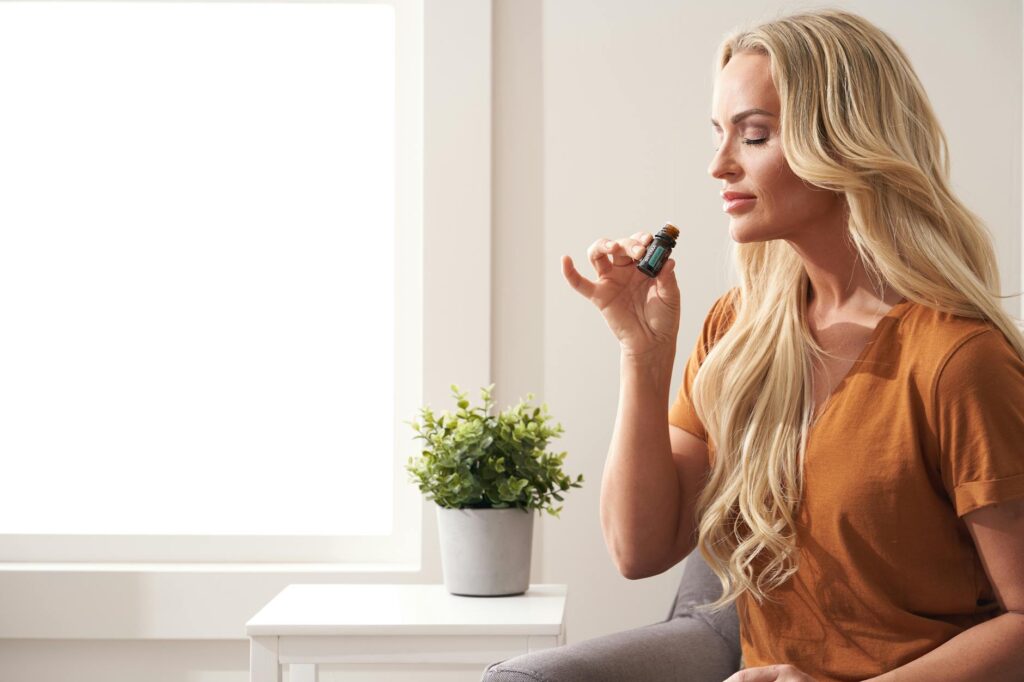
3. Inhalation: Direct inhalation of essential oils from the bottle or a cotton ball can provide immediate invigorating effects. This method is often used when quick energy boosts are needed.
4. Bathing: Adding essential oils to bathwater can create a soothing and revitalizing experience, combining the benefits of aromatherapy with hydrotherapy.
5. Massage: Incorporating energy balance blends into massage therapy can enhance both relaxation and stimulation, depending on the oils used.
Safety Considerations
While aromatherapy can be beneficial, it is essential to follow safety guidelines to avoid adverse effects:
1. Dilution: Always dilute essential oils with a carrier oil before topical application to prevent skin irritation.
2. Patch Test: Conduct a patch test on a small area of skin to check for allergic reactions or sensitivities before widespread application.
3. Quality of Oils: Use high-quality, pure essential oils from reputable sources to ensure their safety and efficacy.
4. Contraindications: Some essential oils may not be suitable for pregnant women, young children, or individuals with specific health conditions. Research and consult reliable resources to understand any restrictions.
5. Storage: Keep essential oils out of reach of children and pets, and store them in a cool, dark place to maintain their potency.
Storage and Shelf Life
Essential oils generally have a long shelf life, but proper storage is critical to ensure their longevity. Here are some guidelines:
1. Container: Store essential oils in dark glass bottles to protect them from light, which can degrade their quality.
2. Temperature: Keep oils in a cool environment, ideally between 60°F and 80°F (15°C to 27°C), away from heat sources.
3. Expiration: While many oils can last several years, some oils have shorter shelf lives. Citrus oils, for instance, may last about one to two years, while resin oils like frankincense can last much longer.
4. Signs of Degradation: Check for changes in color, scent, or viscosity. If an oil smells off or has changed in any other way, it may be time to replace it.
Frequently Asked Questions
1. What essential oils are commonly used in energy balance blends?
Common essential oils include peppermint, rosemary, lemon, eucalyptus, lavender, and bergamot. Each oil has unique properties that contribute to energy balance.
2. Can I create my own energy balance blend?
Yes, many individuals enjoy creating their own blends. Start by selecting essential oils that resonate with you and combine them in a carrier oil or diffuser.
3. How often can I use energy balance blends?
The frequency of use depends on individual preference and the specific oils in the blend. Generally, they can be used daily but listen to your body and adjust as needed.
4. Are energy balance blends suitable for children?
Some essential oils may not be suitable for young children. Always consult guidelines specific to children’s use of essential oils and consider using milder oils.
5. Can energy balance blends replace other forms of self-care?
Aromatherapy can complement other self-care practices but should not replace traditional medical treatments or therapies. It is best used as part of a holistic approach to well-being.
Conclusion
Aromatherapy for energy balance blends offers a fascinating avenue for enhancing emotional and physical well-being through the power of essential oils. By understanding their properties, benefits, and applications, individuals can harness these blends to promote energy, focus, and emotional equilibrium. As with any holistic practice, the key is to approach aromatherapy with mindfulness, respect for the oils, and an understanding of personal needs.