
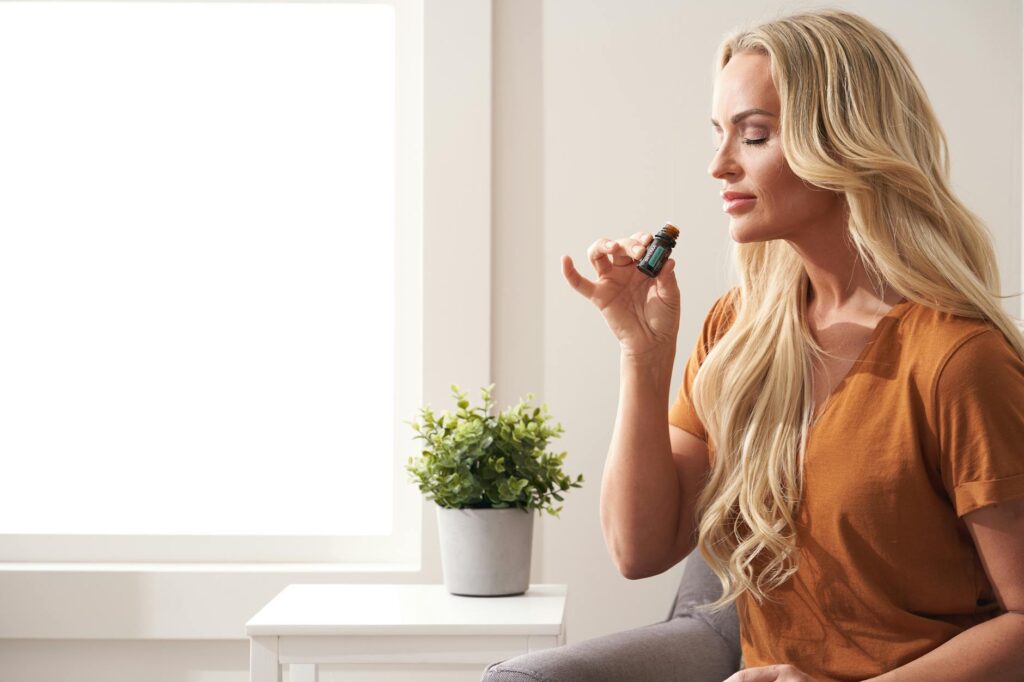
How Aromatherapy for Hormonal Balance Blends Is Used in Aromatherapy
Introduction
Aromatherapy, a holistic healing practice that utilizes essential oils derived from plants, has gained considerable attention for its potential benefits in emotional and physical well-being. Among its various applications, aromatherapy for hormonal balance blends is particularly noteworthy, as it addresses the intricate relationship between hormonal fluctuations and overall health. This article explores the essence of aromatherapy for hormonal balance, its benefits, common uses, applications, safety considerations, and more.
What Is Aromatherapy for Hormonal Balance Blends?
Aromatherapy for hormonal balance blends involves the use of specific essential oils that are believed to support the endocrine system and help regulate hormonal levels. The endocrine system plays a crucial role in the production and regulation of hormones, which can be influenced by various factors, including stress, diet, and environmental changes. Essential oils such as lavender, clary sage, and geranium are commonly included in these blends for their purported ability to promote emotional stability, alleviate stress, and support hormonal equilibrium.
By inhaling or applying these oils, individuals may experience a range of effects that contribute to a sense of balance and well-being. The practice is rooted in the understanding of how scent can influence mood, emotions, and physiological responses.
Key Benefits and Properties
Aromatherapy blends for hormonal balance offer several potential benefits:
Emotional Support
Many essential oils used in hormonal balance blends have properties that promote relaxation and emotional well-being. For instance, lavender is known for its calming effects, while clary sage is often associated with reducing feelings of anxiety and promoting emotional stability.
Physical Relief
Certain essential oils may provide relief from physical symptoms associated with hormonal fluctuations, such as headaches, menstrual cramps, and fatigue. Oils like peppermint and ginger can be particularly effective in alleviating discomfort.
Stress Reduction
Stress is a known disruptor of hormonal balance. Aromatherapy can help mitigate stress through calming scents that promote relaxation and encourage a sense of peace.
Enhancing Mood
Essential oils can influence neurotransmitters in the brain, potentially improving mood and reducing feelings of depression or irritability. Citrus oils, such as sweet orange and lemon, are often included in blends for their uplifting properties.
Supporting Reproductive Health
Some essential oils are believed to support reproductive health and menstrual regulation. Oils like fennel and geranium are often cited for their potential positive effects on hormonal cycles.
Common Uses
Aromatherapy blends for hormonal balance can be utilized in various scenarios, including:
- Stress Management: In times of heightened stress, inhaling calming essential oils can help ease tension and promote relaxation.
- Menstrual Cycle Support: Many women use these blends to alleviate discomfort associated with their menstrual cycle, including cramps and mood swings.
- Menopausal Symptoms: Some essential oils may help address symptoms related to menopause, such as mood fluctuations and hot flashes.
- Emotional Well-being: Incorporating these blends into daily routines can support emotional resilience and stability.
- Diffusers: Using an essential oil diffuser allows for the gradual release of fragrance into the air, making it an ideal choice for creating a calming environment.
- Inhalers: Personal inhalers can be used for on-the-go aromatherapy, allowing individuals to inhale the blend directly.
- Steam Inhalation: Adding essential oils to a bowl of hot water and inhaling the steam can provide immediate relief and support.
- Pulse Points: Applying blends to pulse points, such as wrists and neck, can enhance their effectiveness.
- Abdomen: For menstrual discomfort, gently massaging a diluted blend onto the abdomen may provide relief.
- Baths: Adding essential oils to bath water can create a soothing experience, promoting relaxation and stress relief.
- Dilution: Essential oils are concentrated and should always be diluted with a carrier oil before topical application to avoid skin irritation.
- Patch Test: Conducting a patch test on a small area of skin can help identify any potential allergic reactions or sensitivities.
- Pregnancy and Nursing: Some essential oils are not recommended during pregnancy or breastfeeding. It is advisable to consult with a qualified professional before use in these circumstances.
- Health Conditions: Individuals with specific health conditions or those taking medications should exercise caution and consult a healthcare professional before using essential oils.
- Storage Conditions: Essential oils should be stored in a cool, dark place away from direct sunlight and heat sources to prevent degradation.
- Containers: Dark glass bottles are ideal for storing essential oils, as they protect the oils from light exposure.
- Shelf Life: The shelf life of essential oils varies, but most can last from 1 to 5 years. Citrus oils tend to have a shorter lifespan than woody or resinous oils. It’s essential to check for any changes in smell or consistency before use.
Aromatherapy Applications
There are several methods for applying aromatherapy blends for hormonal balance:
Inhalation
Inhalation is one of the most effective ways to experience the benefits of essential oils. This can be achieved through:
Topical Application
Topical application involves diluting essential oils with a carrier oil before applying them directly to the skin. Common areas for application include:
Massage
Incorporating aromatherapy blends into massage therapy can enhance the physical and emotional benefits. The combination of touch and scent can deepen relaxation and promote a sense of well-being.
Safety Considerations
While aromatherapy can offer numerous benefits, it is essential to approach its use with caution:
Storage and Shelf Life
Proper storage is crucial for maintaining the quality and efficacy of essential oils. Here are some guidelines:
Frequently Asked Questions
How do I choose the right essential oil for hormonal balance?
Selecting the right essential oil depends on individual needs and preferences. Research the properties of various oils and consider conducting a patch test to determine which scents resonate with you.
Can I create my own hormonal balance blend?
Yes, creating your own blend can be rewarding. Start by selecting a few essential oils known for their hormonal balance properties, and experiment with different combinations. Ensure proper dilution and conduct a patch test.
How often should I use aromatherapy for hormonal balance?
The frequency of use can vary based on individual needs and preferences. Some may benefit from daily use, while others may prefer it during specific symptoms. Listen to your body and adjust as necessary.
Are there any essential oils to avoid for hormonal balance?
Certain oils, such as sage and pennyroyal, should be avoided during pregnancy and may not be suitable for everyone. It’s essential to research each oil and consult with a professional if you have concerns.
Is aromatherapy a substitute for medical treatment?
Aromatherapy can complement traditional treatments but should not replace medical advice or treatment. It is advisable to discuss any concerns with a healthcare professional.
Conclusion
Aromatherapy for hormonal balance blends offers a unique approach to supporting emotional and physical well-being through the use of essential oils. With their diverse properties, these oils can assist in managing stress, enhancing mood, and providing relief from discomfort associated with hormonal fluctuations. By understanding how to safely and effectively use these blends, individuals can harness the power of aromatherapy to promote a sense of balance and harmony in their lives.