
How Aromatherapy for Hormonal Health Blends Is Used in Aromatherapy
Introduction
Aromatherapy has emerged as a popular complementary therapy that utilizes essential oils for physical and emotional well-being. Among the many applications of aromatherapy, the use of specific blends for hormonal health has gained significant attention. Hormonal balance is crucial for overall health, affecting everything from mood and energy levels to reproductive health. This article explores the concept of aromatherapy for hormonal health blends, highlighting their benefits, common uses, and safety considerations.
What Is Aromatherapy for Hormonal Health Blends?
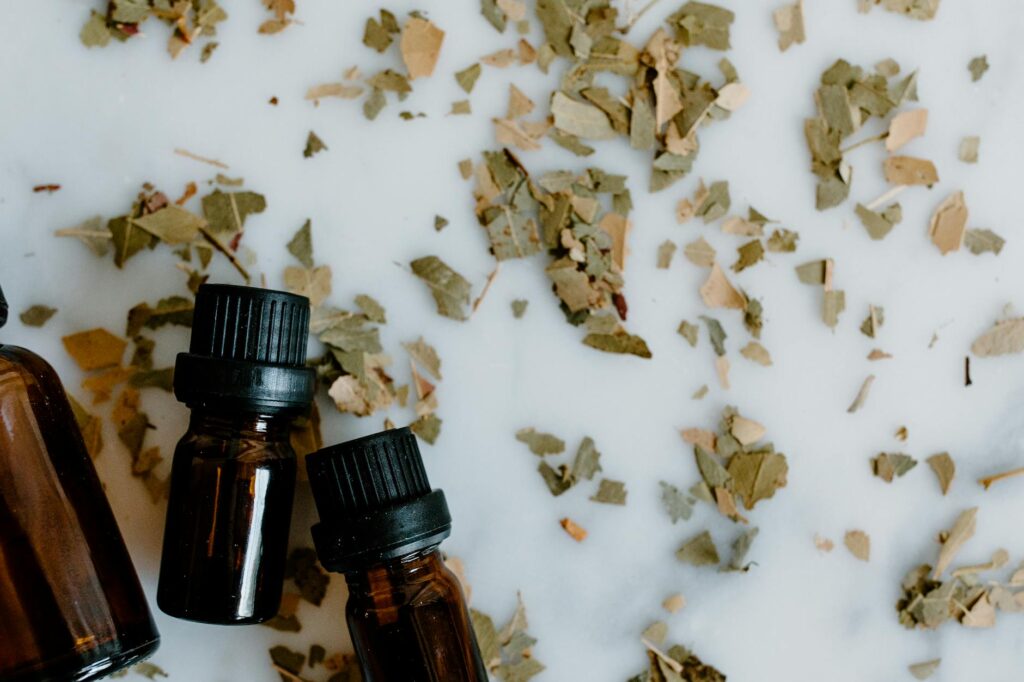
Aromatherapy for hormonal health blends involves the use of essential oils formulated to support hormonal balance. These blends can be tailored to address specific hormonal issues, such as menstrual irregularities, menopausal symptoms, and stress-related hormonal imbalances. Essential oils are extracted from various parts of plants, including flowers, leaves, stems, and roots, and each oil possesses unique properties that can influence physical and emotional states.
The science behind aromatherapy suggests that inhaling essential oil molecules or applying them to the skin can stimulate the limbic system, the part of the brain that regulates emotions and hormone production. By selecting specific oils with properties that align with hormonal health, practitioners aim to create a holistic approach to well-being.
Key Benefits and Properties
Aromatherapy blends for hormonal health can offer a range of benefits, including:
1. Emotional Balance
Many essential oils are known for their ability to uplift mood and reduce anxiety. Oils such as lavender and bergamot can help mitigate stress, which is often a contributing factor to hormonal imbalances.
2. Menstrual Regulation
Certain oils like clary sage and geranium are believed to promote regular menstrual cycles and alleviate symptoms such as cramps and mood swings.
3. Menopausal Relief
Blends containing oils like frankincense and peppermint may help alleviate menopausal symptoms such as hot flashes and mood fluctuations.
4. Stress Reduction
Stress management is vital for maintaining hormonal balance. Essential oils such as ylang-ylang and chamomile can promote relaxation and reduce cortisol levels, which can positively influence hormonal health.
5. Overall Well-Being
Many essential oils have anti-inflammatory and antioxidant properties, which can contribute to improved overall health and vitality.
Common Uses
Aromatherapy for hormonal health blends can be employed in various contexts, including:
1. Diffusion
Using an essential oil diffuser allows for the gentle release of essential oil molecules into the air. This method is particularly effective for creating a calming atmosphere and can be used in living spaces or during yoga and meditation sessions.
2. Topical Application
Blends can be diluted with carrier oils such as jojoba or sweet almond oil and applied to pulse points, abdomen, or other areas of concern. This method may enhance the physical benefits of the oils through skin absorption.
3. Bathing
Adding essential oil blends to bathwater can create a soothing experience, promoting relaxation and emotional well-being. This method allows for both inhalation and skin absorption.
4. Inhalation
Inhaling essential oils directly from the bottle or using a personal inhaler can provide immediate emotional support and relief.
Aromatherapy Applications
1. Hormonal Health Blends
Common essential oils used in hormonal health blends include:
- Clary Sage: Often used for menstrual regulation and balancing estrogen levels.
- Geranium: Known for its mood-enhancing properties and ability to alleviate menstrual discomfort.
- Lavender: Valued for its calming effects and ability to reduce stress.
- Frankincense: Often used for its grounding properties and potential to alleviate menopausal symptoms.
- Peppermint: Known for its cooling effect and ability to relieve headaches and hot flashes.
- Cool, Dark Place: Store essential oils in a cool, dark place away from direct sunlight.
- Tightly Sealed: Ensure that bottles are tightly sealed to prevent oxidation.
- Shelf Life: Most essential oils have a shelf life of 1 to 3 years, but this can vary. Citrus oils may have a shorter shelf life, while oils like patchouli and sandalwood can improve with age.
2. Creating a Blend
To create a personalized hormonal health blend, a basic guideline can be followed:
1. Choose a Base Oil: Select a carrier oil (such as jojoba or coconut) to dilute the essential oils.
2. Select Essential Oils: Choose 2-4 essential oils based on the desired effects.
3. Mix: Combine 10-15 drops of essential oils with 30 mL of carrier oil.
4. Test: Conduct a patch test before widespread application to ensure there are no adverse reactions.
Safety Considerations
While aromatherapy can be beneficial, safety is paramount. Here are some important considerations:
1. Dilution
Essential oils are highly concentrated and should always be diluted with a carrier oil before topical application to prevent skin irritation.
2. Quality of Oils
Opt for high-quality, therapeutic-grade essential oils from reputable sources. Poor-quality oils may contain synthetic additives that can reduce efficacy or cause adverse reactions.
3. Individual Sensitivities
Everyone has unique sensitivities to essential oils. It is advisable to conduct a patch test before using a new oil or blend.
4. Pregnancy and Nursing
Certain essential oils may not be suitable for pregnant or nursing individuals. Consult with a qualified professional to determine safe options.
5. Medical Conditions
Individuals with specific medical conditions or those on medication should consult with a healthcare provider before incorporating essential oils into their routine.
Storage and Shelf Life
Proper storage of essential oils is crucial for maintaining their efficacy:
Frequently Asked Questions
1. Can essential oils replace medical treatment for hormonal issues?
Aromatherapy should be used as a complementary approach and not as a substitute for medical treatment. Always consult a healthcare professional for medical concerns.
2. How do I choose the right essential oils for my needs?
Identifying your specific needs and symptoms is crucial. Research oils known for their properties related to hormonal health, or consult with a qualified aromatherapist for personalized recommendations.
3. Can I use essential oils during pregnancy?
Some essential oils are contraindicated during pregnancy. It is essential to consult a healthcare provider or aromatherapist for guidance on safe options.
4. Is it safe to use essential oils on children?
Some essential oils are safe for children, but others may not be suitable. Always consult with a qualified professional for age-appropriate recommendations.
5. How often can I use aromatherapy blends?
Usage frequency may vary depending on individual preferences and conditions. Generally, using blends 1-3 times daily is considered safe, but it is advisable to listen to your body’s responses.
Conclusion
Aromatherapy for hormonal health blends offers a holistic approach to promoting hormonal balance and overall well-being. By understanding the properties of various essential oils and their applications, individuals can explore the benefits of this natural therapy. However, safety considerations should always be prioritized, and professional guidance is recommended for those with specific health concerns. As research continues to evolve, the integration of aromatherapy into personal wellness routines may provide valuable support for achieving hormonal health.