
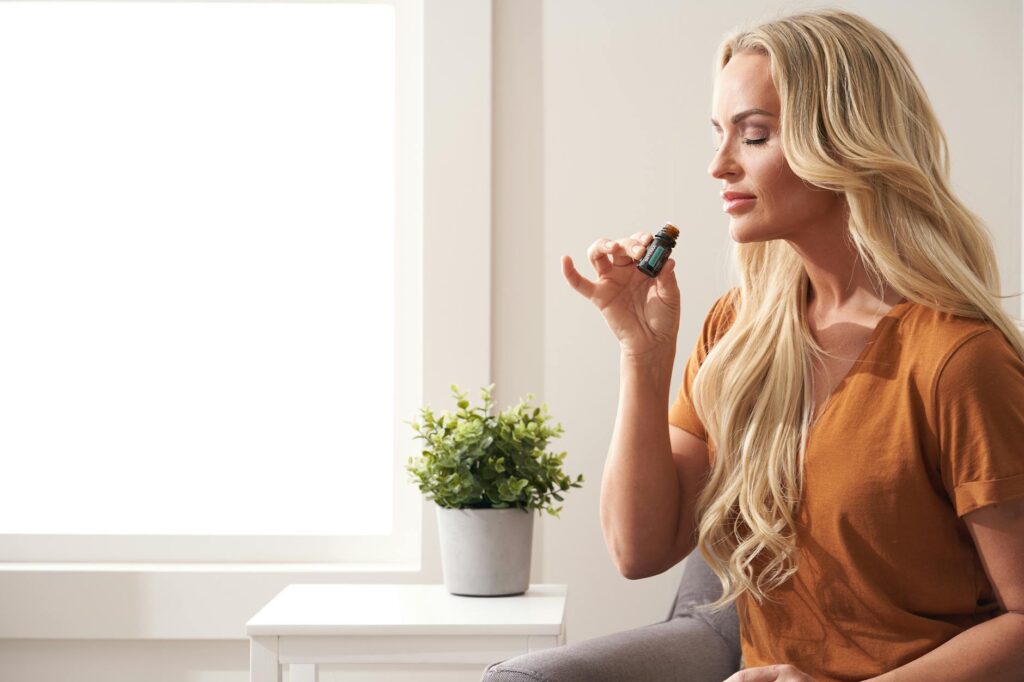
How Aromatherapy for Mindfulness and Presence Blends Is Used in Aromatherapy
Introduction
Aromatherapy is a holistic practice that utilizes the natural scents of essential oils to enhance physical, mental, and emotional well-being. Among its many applications, aromatherapy for mindfulness and presence blends has gained popularity as a means to cultivate focus, reduce stress, and promote a deeper connection to the present moment. This article explores the essence of mindfulness and presence in aromatherapy, the benefits of specific essential oil blends, and practical applications for integrating these therapeutic aromas into daily life.
What Is Aromatherapy for Mindfulness and Presence Blends?
Aromatherapy for mindfulness and presence blends involves the use of specific essential oils that are known to promote mental clarity, emotional balance, and a heightened sense of awareness. These blends typically consist of oils that possess grounding, calming, and uplifting properties. The practice encourages individuals to engage fully with their environment and thoughts, fostering a state of heightened awareness often referred to as “mindfulness.”
Mindfulness itself is the practice of being fully present and engaged in the moment, without judgment or distraction. By incorporating essential oils that resonate with these principles, users can create a sensory experience that enhances their ability to focus, relax, and connect with their thoughts and emotions.
Key Benefits and Properties
The benefits of aromatherapy for mindfulness and presence blends extend beyond mere fragrance; they encompass a wide range of therapeutic properties. Here are some key benefits:
1. Enhanced Focus: Certain essential oils, such as rosemary and peppermint, are known for their stimulating properties, which can help improve concentration and mental clarity.
2. Reduced Stress and Anxiety: Oils like lavender and chamomile are celebrated for their calming effects, helping to alleviate feelings of stress and anxiety and promoting a sense of tranquility.
3. Emotional Balance: Blends that include oils like bergamot and ylang-ylang may help to stabilize mood swings and foster emotional resilience.
4. Grounding Effects: Essential oils such as cedarwood and frankincense can provide grounding effects, helping individuals feel more centered and connected to their surroundings.
5. Heightened Awareness: Aromas that are invigorating or refreshing can stimulate the senses and promote an enhanced state of awareness, making it easier to engage in mindfulness practices.
Common Uses
Aromatherapy for mindfulness and presence blends can be utilized in various settings and situations, including:
- Meditation: Incorporating essential oils into meditation practices can create a serene atmosphere that aids in deepening focus and connection to the present.
- Yoga: Using essential oils during yoga sessions can enhance the overall experience, promoting relaxation and mindfulness as practitioners move through their poses.
- Daily Rituals: Individuals can incorporate these blends into their daily routines, such as during morning rituals or evening wind-downs, to cultivate a mindful approach to everyday life.
- Work Environments: Many people use these blends in their workplace to promote focus and reduce stress, creating a more productive and harmonious atmosphere.
- Personal Care: Adding essential oils to skincare routines or bath rituals can transform self-care into a mindful experience, encouraging individuals to be present with themselves.
- Dilution: Always dilute essential oils in a carrier oil before topical application to prevent skin irritation.
- Allergies: Conduct a patch test when using a new essential oil to check for allergic reactions.
- Pregnancy and Breastfeeding: Some essential oils may not be safe for use during pregnancy or breastfeeding. It is advisable to consult a healthcare professional if there are concerns.
- Children and Pets: Certain essential oils can be harmful to children and pets. It is vital to research and choose oils that are safe for all household members.
- Quality of Oils: Opt for high-quality, pure essential oils from reputable sources to ensure safety and effectiveness.
- Cool, Dark Place: Store essential oils in a cool, dark place away from direct sunlight and heat to prevent degradation.
- Tightly Sealed: Ensure that bottles are tightly sealed to prevent oxidation and contamination.
- Shelf Life: The shelf life of essential oils can vary. Generally, citrus oils may last 1-2 years, while oils like sandalwood can last up to 5 years or more if stored correctly. Checking for changes in scent or viscosity can help determine quality.
Aromatherapy Applications
There are several methods for incorporating mindfulness and presence blends into daily life:
1. Diffusion: Using an essential oil diffuser, individuals can disperse the scent of their chosen blend throughout a room. This method is particularly effective for creating an ambient atmosphere during meditation or yoga.
2. Topical Application: Diluting essential oils in a carrier oil and applying them to pulse points (such as wrists or behind the ears) allows for personal, direct interaction with the aroma.
3. Inhalation: Direct inhalation from the bottle or from a cotton ball infused with essential oil can provide immediate benefits, making it suitable for on-the-go mindfulness practices.
4. Bathing: Adding essential oils to bathwater can create a calming oasis, allowing for a moment of reflection and relaxation.
5. Sprays: Creating a room spray with essential oils can refresh the environment while inviting mindfulness, making it suitable for any space.
Safety Considerations
While aromatherapy is generally considered safe, it is essential to observe specific safety guidelines to ensure a positive experience:
Storage and Shelf Life
Proper storage of essential oils is crucial to maintain their integrity and therapeutic properties. Here are some best practices:
Frequently Asked Questions
1. What are some popular essential oils for mindfulness and presence blends?
Commonly used essential oils include lavender, bergamot, frankincense, cedarwood, rosemary, and peppermint, each contributing unique benefits to mindfulness practices.
2. Can I create my own blends?
Absolutely! Experimenting with different essential oils can lead to personalized blends that resonate with your specific needs and preferences. Start with a few drops of each oil and adjust ratios to find what works best for you.
3. How often should I use these blends?
The frequency of use can vary depending on individual preferences and goals. Some may find daily use beneficial, while others may prefer to use them as needed during moments of stress or distraction.
4. Is aromatherapy suitable for everyone?
While aromatherapy can be beneficial for many, individual responses to essential oils can vary. It is advisable to consult with a qualified practitioner, especially for those with specific health concerns.
5. Can I use these blends during pregnancy?
Certain essential oils may not be safe for use during pregnancy. It is best to consult a healthcare professional before using essential oils during this time.
Conclusion
Aromatherapy for mindfulness and presence blends offers a multifaceted approach to enhancing well-being and cultivating a deeper connection to the present moment. By harnessing the power of essential oils, individuals can create a rich sensory experience that supports mental clarity, emotional balance, and overall mindfulness. With proper understanding and application, these aromatic practices can become valuable tools in the journey toward holistic wellness and self-discovery.