
How Aromatherapy for Mindfulness in Daily Life Blends Is Used in Aromatherapy
Introduction
In recent years, the practice of mindfulness has gained significant traction as a means to enhance mental clarity, emotional stability, and overall well-being. Aromatherapy, the use of essential oils derived from plants, has emerged as a popular complementary practice for promoting mindfulness. This article delves into how aromatherapy, specifically through mindfulness blends, can be seamlessly integrated into daily routines to foster a deeper sense of presence and tranquility.
What Is Aromatherapy for Mindfulness in Daily Life Blends?
Aromatherapy for mindfulness blends refers to the intentional use of specific essential oils that promote mental clarity, relaxation, and emotional balance. These blends are crafted with the goal of enhancing mindfulness practices such as meditation, yoga, and deep breathing exercises. By engaging the olfactory senses, essential oils can evoke emotional responses and facilitate a heightened state of awareness, making them valuable tools in mindfulness techniques.
Mindfulness blends typically consist of a harmonious combination of essential oils known for their calming, uplifting, or centering properties. Common oils used in these blends include lavender, bergamot, chamomile, frankincense, and sandalwood. Each oil brings its unique profile of benefits, contributing to the overall effectiveness of the blend.
Key Benefits and Properties
The benefits of aromatherapy for mindfulness blends are manifold, influenced by the individual properties of the essential oils involved. Here are some key benefits associated with using these blends:
1. Promotes Relaxation: Many essential oils, such as lavender and chamomile, are renowned for their calming effects, helping to alleviate stress and promote relaxation.
2. Enhances Focus and Clarity: Oils like rosemary and peppermint can stimulate mental clarity and concentration, making them ideal for use during meditation or focused activities.
3. Emotional Balance: Certain oils, such as bergamot and ylang ylang, can help stabilize emotions, reduce feelings of anxiety, and promote a positive mindset.
4. Supports Grounding: Oils such as frankincense and cedarwood are often used for their grounding properties, helping individuals feel more centered and connected to the present moment.
5. Facilitates Breathing: Eucalyptus and tea tree oils can support respiratory function, enhancing the quality of deep, mindful breathing practices.
Common Uses
Aromatherapy blends for mindfulness can be used in various settings and scenarios to maximize their benefits. Here are some common applications:
- Meditation: Diffusing a mindful blend during meditation can help create a serene atmosphere conducive to deep reflection and mindfulness.
- Yoga: Incorporating essential oils into a yoga practice—through diffusion or topical application—can heighten the experience and enhance focus.
- Daily Rituals: Using these blends during daily rituals, such as morning routines or evening wind-downs, can instill a sense of mindfulness throughout the day.
- Workspace: Diffusing calming or focusing blends in a workspace can improve productivity and reduce stress levels.
- Baths: Adding essential oils to bath water can transform a simple bath into a mindful experience, promoting relaxation and emotional release.
- Dilution: Essential oils should always be diluted with a carrier oil before topical application to avoid skin irritation.
- Sensitivity: Individuals with sensitive skin or known allergies should conduct a patch test prior to widespread use.
- Pregnancy and Children: Certain essential oils may not be safe for use during pregnancy or for young children. It is advisable to consult resources or professionals for guidance on suitable oils.
- Quality of Oils: Always use high-quality, therapeutic-grade essential oils from reputable sources. Poor-quality oils may contain additives or synthetic ingredients that could be harmful.
- Cool, Dark Place: Store essential oils in a cool, dark location, away from direct sunlight and heat sources.
- Amber or Cobalt Bottles: Use dark glass containers, such as amber or cobalt blue, to protect the oils from light degradation.
- Tightly Sealed: Ensure that the bottles are tightly sealed when not in use to prevent oxidation.
Aromatherapy Applications
Several methods are available for applying aromatherapy blends, each offering unique benefits. Here are the most common applications:
1. Diffusion
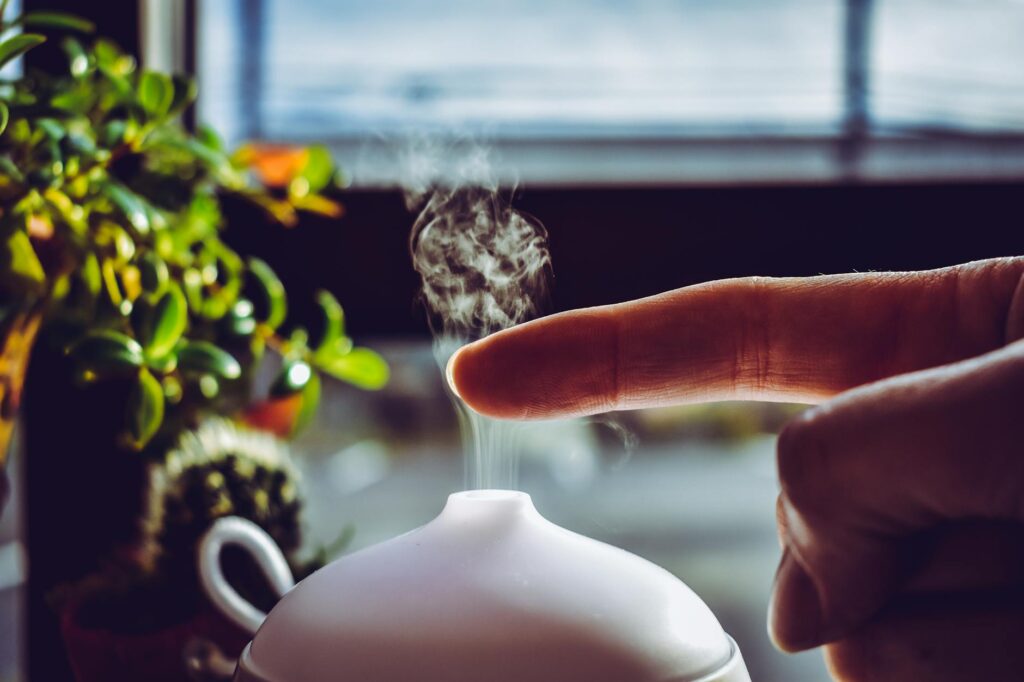
Using an essential oil diffuser is one of the most popular methods for dispersing essential oils into the air. This method allows for a gentle and consistent release of aroma, creating a calming or energizing atmosphere. When choosing oils for mindfulness blends, consider using a combination of calming and focusing oils to create a balanced environment.
2. Topical Application
Essential oils can be diluted in a carrier oil—such as jojoba or sweet almond oil—and applied to pulse points, such as wrists, temples, or the back of the neck. This method allows the oils to be absorbed into the skin while also providing an immediate aromatic experience. Always conduct a patch test to ensure there is no skin sensitivity to the oils being used.
3. Inhalation
Direct inhalation involves placing a drop or two of essential oil on a tissue or cotton ball and inhaling the aroma deeply. This method can be particularly effective in moments of stress or when seeking immediate emotional support.
4. Bathing
Adding essential oils to a warm bath can transform the experience into a soothing ritual. To prevent the oils from floating on the surface, it is advisable to mix them with a carrier oil or Epsom salts before adding them to the bath.
5. Aromatherapy Roll-ons
Pre-made or DIY roller bottles can be an excellent option for on-the-go mindfulness. These blends, created with essential oils diluted in a carrier oil, can easily fit into a purse or pocket for quick access when a moment of calm is needed.
Safety Considerations
While aromatherapy is generally considered safe, certain precautions should be taken, particularly when using essential oils:
Storage and Shelf Life
Proper storage of essential oils is crucial to maintaining their potency and effectiveness. Here are some tips for optimal storage:
Shelf Life
The shelf life of essential oils can vary depending on the type of oil and storage conditions. Generally, citrus oils have a shorter shelf life (about 1-2 years) compared to woodsy or resinous oils, which can last for several years. Regularly check the oils for changes in aroma, consistency, or appearance, as these can indicate degradation.
Frequently Asked Questions
1. Can I create my own mindfulness blends?
Yes, creating your own mindfulness blends can be a rewarding experience. Start by selecting essential oils that resonate with your personal goals—whether that’s promoting relaxation, enhancing focus, or fostering emotional balance.
2. How do I determine which essential oils are best for mindfulness?
Consider the properties of various essential oils and how they align with your personal needs. Research their characteristics, and trust your intuition when selecting oils that appeal to you.
3. Is it safe to use essential oils around pets?
Some essential oils can be harmful to pets, particularly cats and dogs. If you have pets, it is advisable to research which oils are safe or consult a veterinarian before using them in your home.
4. How often can I use aromatherapy for mindfulness?
Aromatherapy can be used as often as desired. Integrate it into your daily routine or as needed during moments of stress or distraction.
5. Can aromatherapy replace traditional mindfulness practices?
While aromatherapy can enhance mindfulness practices, it is not a substitute for traditional techniques such as meditation or breathing exercises. It can serve as a supportive tool in your mindfulness journey.
Conclusion
Aromatherapy for mindfulness blends offers a rich and versatile approach to enhancing daily life. By carefully selecting and combining essential oils, individuals can cultivate a greater sense of presence, emotional balance, and mental clarity. Whether through meditation, yoga, or everyday activities, the integration of aromatherapy can foster a more mindful existence, encouraging a deeper connection to oneself and the present moment.