
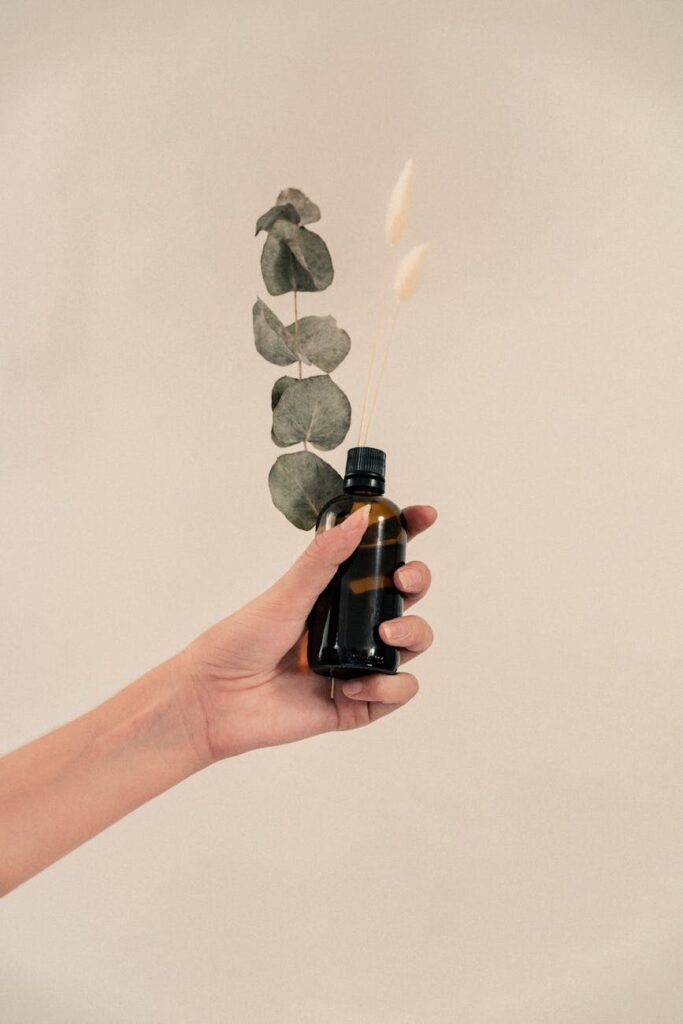
How Aromatherapy for Mindfulness Practices Blends Is Used in Aromatherapy
Introduction
Aromatherapy is an ancient practice that employs the use of essential oils derived from plants to promote well-being and enhance emotional health. One of the most significant applications of aromatherapy is in the realm of mindfulness practices, where the harmonious blend of scents can foster a deeper state of awareness and relaxation. This article explores the intricate relationship between aromatherapy and mindfulness, detailing how specific aromatic blends can enhance meditative experiences and overall mental clarity.
What Is Aromatherapy for Mindfulness Practices Blends?
Aromatherapy for mindfulness practices blends refers to specific combinations of essential oils that are designed to support and enhance mindfulness activities such as meditation, yoga, and deep breathing exercises. These blends are typically chosen for their calming, grounding, or uplifting properties, aiming to create an environment conducive to introspection and emotional balance.
The essential oils used in these blends can be selected based on their individual therapeutic properties and aromatic profiles. For example, oils like lavender and chamomile are favored for their relaxing effects, while citrus oils such as bergamot and sweet orange are often included for their uplifting and energizing qualities.
Key Benefits and Properties
The benefits of using aromatherapy blends in mindfulness practices are multifaceted. Here are some key advantages:
Emotional Balance
Certain essential oils are known to help stabilize emotions. Oils such as frankincense and sandalwood can promote feelings of tranquility and peace, making them excellent choices for mindfulness practices.
Stress Reduction
Essential oils like lavender and ylang-ylang are recognized for their ability to reduce stress and anxiety. Incorporating these oils into mindfulness routines can help individuals achieve a state of calm and focus.
Enhanced Focus
Some oils, including rosemary and peppermint, are believed to enhance mental clarity and concentration. These oils can be beneficial during mindfulness practices that require heightened awareness.
Improved Sleep
Blends containing sedative oils can be used to promote relaxation and improve sleep quality, making them useful for evening mindfulness practices aimed at winding down.
Grounding Effects
Certain scents, such as vetiver and patchouli, are known for their grounding properties. These oils can help practitioners feel more connected to their surroundings and present in the moment.
Common Uses
Aromatherapy blends for mindfulness practices can be used in various settings and formats. Here are some of the most common applications:
Meditation
During meditation, essential oils can be diffused in the room or applied topically (when properly diluted) to enhance the experience. Scents like sandalwood and cedarwood are particularly popular for their grounding effects.
Yoga
Incorporating essential oils into yoga practices—through diffusion, topical application, or using oil-infused mats—can enhance the overall experience. Citrus oils can energize, while floral oils can calm.
Breathing Exercises
Aromatherapy can be integrated into breathing exercises to deepen the practice. Inhaling oils such as eucalyptus or peppermint can invigorate and refresh the mind.
Mindful Walking
Using a portable inhaler or essential oil roll-on during mindful walking can enhance the sensory experience, making individuals more attuned to their surroundings.
Relaxation Rituals
Blends can be integrated into evening relaxation rituals, such as baths or bedtime routines, to facilitate a smoother transition into sleep.
Aromatherapy Applications
There are several methods for applying aromatherapy blends in mindfulness practices:
Diffusion
Using an ultrasonic diffuser or a candle-based diffuser can disperse essential oils throughout the room, creating an aromatic environment conducive to mindfulness.
Topical Application
Essential oils can be diluted in carrier oils (such as jojoba or sweet almond oil) before being applied to pulse points or areas of tension. This method allows for a more personalized experience, as individuals can choose blends that resonate with their emotions.
Inhalation
Simply inhaling essential oils directly from the bottle or a cotton ball can provide immediate benefits. This method is often used for quick stress relief or mental clarity.
Bathing
Adding essential oils to a warm bath can create a serene atmosphere, allowing individuals to relax and meditate while soaking. It’s important to use an emulsifier (like milk or honey) to blend the oils into the water.
Room Sprays
Creating a room spray with essential oils and water can refresh a space and enhance mindfulness practices. This can be used before meditation or yoga sessions to set the mood.
Safety Considerations
While aromatherapy is generally safe, there are several important safety considerations to keep in mind:
Dilution
Essential oils are potent and should always be diluted before topical application to avoid skin irritation. A common dilution ratio is 1-2 drops of essential oil per teaspoon of carrier oil.
Allergies
Individuals should conduct a patch test before using a new essential oil to check for allergic reactions. If irritation occurs, discontinue use immediately.
Pregnant or Nursing Women
Certain essential oils may not be recommended for pregnant or nursing women. It’s advisable to consult with a qualified professional before use.
Children and Pets
Some essential oils can be harmful to children and pets. Always research the safety of specific oils before using them in households with young children or animals.
Quality of Oils
Using high-quality, pure essential oils is essential for safety and efficacy. Always choose reputable brands that provide information on sourcing and purity.
Storage and Shelf Life
Proper storage of essential oils is crucial for maintaining their efficacy. Here are some tips for effective storage:
Cool, Dark Place
Essential oils should be stored in a cool, dark area away from direct sunlight, as light and heat can degrade their quality.
Airtight Containers
Using dark glass containers helps preserve the integrity of the oils, preventing oxidation and evaporation.
Shelf Life
Most essential oils have a shelf life of 1-3 years, depending on the type. Citrus oils tend to have a shorter shelf life than woody or resinous oils. Regularly check for changes in scent, color, or viscosity to determine if oils are still usable.
Frequently Asked Questions
Can I use any essential oil for mindfulness practices?
While any essential oil can be used, selecting oils known for their calming, grounding, or uplifting properties can enhance the mindfulness experience.
How do I know which blend is right for me?
Choosing a blend often depends on personal preferences and emotional needs. Experimentation can help you identify which scents resonate with you and support your mindfulness practices.
Are there any contraindications for specific essential oils?
Yes, certain essential oils may interact with medications or have contraindications for specific health conditions. Always research oils and consult with a knowledgeable practitioner if uncertain.
How often can I use aromatherapy for mindfulness practices?
You can use aromatherapy as often as desired, but it’s essential to listen to your body and mind. If you feel overwhelmed or experience discomfort, consider adjusting the frequency or type of oil used.
Can aromatherapy replace traditional therapy?
While aromatherapy can complement mindfulness practices and support emotional well-being, it should not replace traditional therapy or medical treatments when needed.
In conclusion, aromatherapy blends tailored for mindfulness practices offer a powerful avenue for enhancing emotional well-being and fostering a deeper connection to oneself. By selecting the right oils and employing mindful techniques, individuals can create enriching experiences that promote relaxation, clarity, and emotional balance.