
How Aromatherapy for Mood Disorders Blends Is Used in Aromatherapy
Introduction
Aromatherapy, a holistic healing practice that utilizes essential oils derived from plants, has gained popularity in recent years, particularly for its potential benefits in managing mood disorders. The therapeutic properties of essential oils can create a calming environment, reduce anxiety, and promote emotional well-being. This article explores the concept of aromatherapy for mood disorders blends, delves into its benefits, applications, and safety considerations, and provides insight into the best practices for using these blends effectively.
What Is Aromatherapy for Mood Disorders Blends?
Aromatherapy for mood disorders blends refers to the combination of specific essential oils formulated to enhance emotional well-being and address issues such as anxiety, depression, and stress. Essential oils possess unique chemical compounds that can influence the limbic system—the part of the brain that governs emotions, memories, and arousal. By inhaling or applying these oils, individuals may experience changes in mood and emotional state.
Blends designed for mood support typically include oils known for their uplifting, calming, or balancing properties. Commonly used essential oils in these blends may include lavender, bergamot, ylang-ylang, and frankincense, among others. Each oil carries its own unique profile of benefits, and when combined, they can create a synergistic effect that enhances their overall impact on mood.
Key Benefits and Properties
Aromatherapy blends for mood disorders can offer several benefits, including:
1. Emotional Balance: Certain essential oils can help stabilize emotions, promoting a sense of calm and reducing feelings of anxiety or sadness.
2. Stress Relief: Many essential oils have sedative qualities that can help alleviate stress and tension, making them beneficial for individuals experiencing high levels of pressure.
3. Improved Sleep: Anxiety and mood disorders often disrupt sleep patterns. Aromatherapy can create a soothing environment conducive to restful sleep.
4. Enhanced Focus: Some essential oils can improve concentration and mental clarity, which can be particularly helpful during periods of emotional distress.
5. Holistic Support: Aromatherapy can complement traditional therapies for mood disorders, providing a natural, non-invasive option for emotional support.
Common Uses
Aromatherapy blends for mood disorders can be utilized in various settings and situations, including:
- Home Environment: Diffusing essential oils in living spaces can create a calming atmosphere, making it a popular choice for home use.
- Massage Therapy: Incorporating essential oils into massage oils can enhance relaxation and promote emotional release during therapeutic massage sessions.
- Bathing Rituals: Adding essential oils to bathwater can create a soothing experience, allowing individuals to unwind and destress.
- Inhalation Practices: Inhaling essential oils directly from the bottle or using personal inhalers can provide immediate mood-enhancing benefits.
- Personal Care Products: Essential oils can be included in lotions, creams, and other personal care items to promote emotional well-being throughout the day.
Aromatherapy Applications
There are several methods for applying aromatherapy blends designed for mood disorders:
1. Diffusion: Using an essential oil diffuser, individuals can disperse the aroma of essential oils into the air. This method is effective for creating a calming environment and is ideal for prolonged use.
2. Topical Application: Diluting essential oils in a carrier oil (such as coconut or jojoba oil) allows for safe topical application. This method can provide localized relief and is often used in massage therapy.
3. Inhalation: Direct inhalation is a quick and effective way to experience the effects of essential oils. Individuals can inhale from the bottle or use a cotton ball soaked in the blend.
4. Bathing: Adding essential oils to bathwater can create a tranquil experience. It is advisable to mix the oils with an emulsifier (like milk or a carrier oil) to help disperse them in the water.
5. Scented Products: Incorporating essential oils into candles, room sprays, or personal care items can provide ongoing benefits and create a pleasant environment.
Safety Considerations
While aromatherapy can be a beneficial practice, it is essential to adhere to safety guidelines:
1. Dilution: Essential oils are potent and should be diluted before topical application. A common dilution ratio is 2-3 drops of essential oil per teaspoon of carrier oil.
2. Allergies and Sensitivities: Individuals should be aware of any allergies or sensitivities they may have to specific essential oils. Conducting a patch test before widespread use is advisable.
3. Consultation: Those with existing health conditions, pregnant or breastfeeding individuals, and children should consult a qualified professional before using essential oils.
4. Quality of Essential Oils: Selecting high-quality, pure essential oils is crucial. Look for oils that are labeled as 100% pure and free from synthetic additives.
5. Avoid Ingestion: Essential oils are not intended for internal consumption unless supervised by a qualified healthcare professional.
Storage and Shelf Life
Proper storage of essential oils is vital to maintain their efficacy and safety:
1. Storage Conditions: Essential oils should be stored in a cool, dark place away from sunlight and heat sources. A cabinet or drawer is ideal.
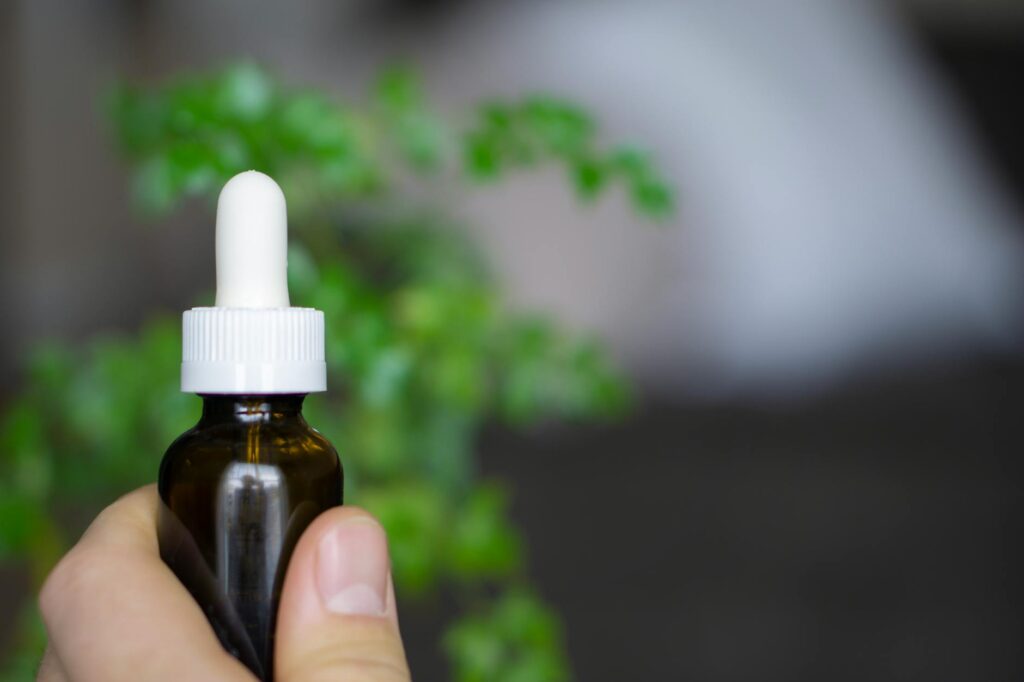
2. Containers: Amber or cobalt blue glass bottles are recommended for storing essential oils, as they help protect the oils from light degradation.
3. Shelf Life: The shelf life of essential oils varies, but most can last from 1 to 3 years when stored properly. Citrus oils tend to have a shorter shelf life, while oils like patchouli and sandalwood may last longer.
Frequently Asked Questions
1. Can aromatherapy completely cure mood disorders?
Aromatherapy is not a cure for mood disorders but can be a complementary practice to traditional therapies. It may provide emotional support and relief, enhancing overall well-being.
2. How do I choose the right blend for my mood?
Selecting the appropriate blend often depends on personal preferences and specific emotional needs. Researching the properties of various essential oils can help guide your choices.
3. How often can I use aromatherapy blends for mood support?
Aromatherapy can be used daily, but it is essential to pay attention to how your body responds. If irritation or adverse reactions occur, it may be necessary to adjust the frequency or method of application.
4. Are there any essential oils I should avoid?
Certain essential oils, such as those that are highly irritating or sensitizing, should be avoided, especially for topical application. Pregnant or nursing individuals should consult a professional before use.
5. Can essential oils interact with medications?
While essential oils are generally safe, some may interact with medications. It is vital to consult a healthcare professional if you are taking prescribed medications to ensure safe use.
Conclusion
Aromatherapy for mood disorders blends offers a holistic approach to emotional well-being, with the potential to enhance mood, reduce stress, and promote relaxation. Understanding the properties, applications, and safety considerations associated with these blends can empower individuals to make informed choices in their aromatherapy practice. As always, approach aromatherapy as a complementary tool alongside traditional therapies for the best results in managing mood disorders.