
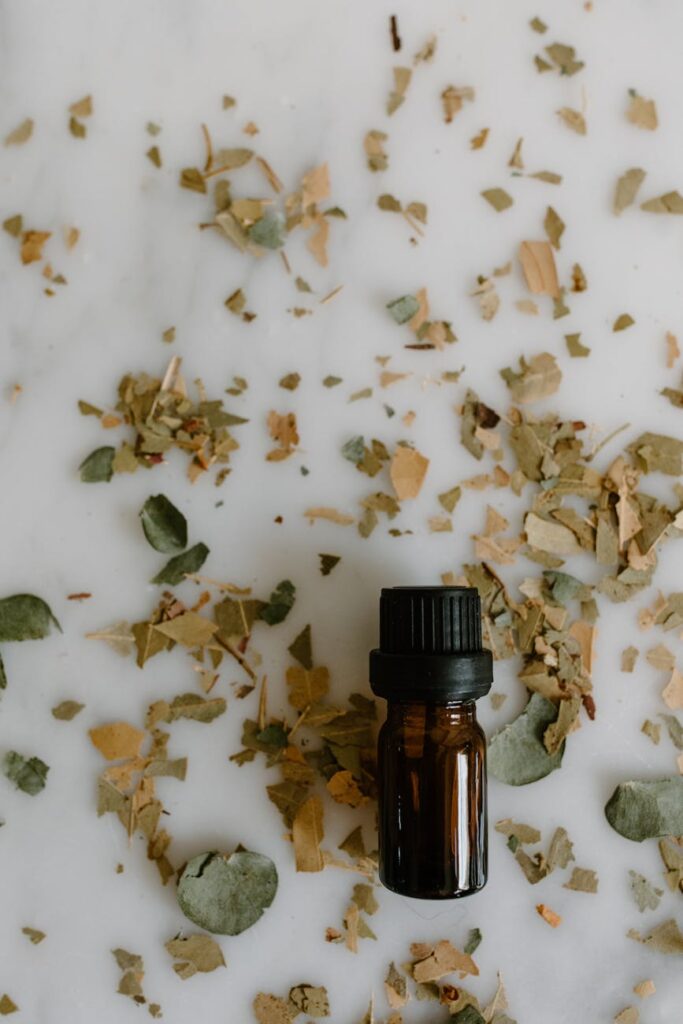
How Aromatherapy for Mood Enhancement Blends Is Used in Aromatherapy
Introduction
Aromatherapy, an alternative therapeutic practice that utilizes plant extracts known as essential oils, has gained significant popularity worldwide. One of its notable applications is in mood enhancement, where specific blends of essential oils are used to promote emotional well-being and mental clarity. This article explores the concept of aromatherapy for mood enhancement blends, discussing their benefits, common uses, applications, safety considerations, and more.
What Is Aromatherapy for Mood Enhancement Blends?
Aromatherapy for mood enhancement blends refers to the combination of various essential oils specifically formulated to improve emotional states and promote psychological balance. These blends capitalize on the olfactory system’s profound impact on the brain and emotions. When inhaled or applied to the skin, essential oils can evoke feelings of relaxation, happiness, or motivation, thereby affecting mood positively.
Essential oils can be derived from different parts of plants, including leaves, flowers, stems, and roots. Each oil possesses unique properties and aromatic profiles, which contribute to its effects on mood and emotional well-being. These blends can be tailored to individual preferences and needs, making them a versatile option in holistic wellness practices.
Key Benefits and Properties
1. Emotional Balance: Essential oils in mood enhancement blends often possess properties that help stabilize emotions. Oils such as lavender and bergamot are known for their calming effects, while citrus oils can uplift and invigorate.
2. Stress Reduction: Many mood enhancement blends contain oils that have been traditionally used to alleviate stress and anxiety. Oils like chamomile and frankincense are noted for their relaxing properties, helping to reduce tension and promote a sense of peace.
3. Improved Focus and Clarity: Certain essential oils, such as rosemary and peppermint, can enhance cognitive function and concentration. Incorporating these oils into mood enhancement blends can help improve mental clarity and focus.
4. Enhanced Well-Being: The synergistic effect of combining various essential oils can lead to an overall sense of well-being. Blends that include a mix of uplifting and calming oils can help achieve emotional equilibrium.
5. Promotes Sleep: Blends designed for mood enhancement often include sedative oils like lavender and ylang-ylang, which may promote restful sleep and combat insomnia.
Common Uses
Mood enhancement blends can be utilized in various settings and situations. Some common uses include:
- Diffusion: Adding a few drops of a mood enhancement blend to an essential oil diffuser allows the aromas to permeate the air, creating a calming or uplifting atmosphere.
- Topical Application: Diluting essential oils in a carrier oil (such as coconut or jojoba oil) and applying them to pulse points (like wrists or temples) can provide direct benefits.
- Bathing: Adding essential oils to a warm bath can enhance relaxation and create a soothing experience, making it an ideal practice for stress relief.
- Inhalation: Directly inhaling the scent from the bottle or using a personal inhaler can provide quick mood enhancement effects, especially in stressful situations.
- Massage: Incorporating mood enhancement blends into massage oils can amplify the relaxing benefits of touch therapy, promoting both emotional and physical well-being.
- Dilution: Always dilute essential oils with a carrier oil before applying them to the skin to prevent irritation or allergic reactions. A common dilution ratio is 2-3 drops of essential oil per teaspoon of carrier oil.
- Skin Sensitivity: Conduct a patch test before applying a new essential oil blend to the skin. This involves applying a small amount to a discreet area and monitoring for any adverse reactions.
- Pregnancy and Health Conditions: Certain essential oils may not be safe for pregnant individuals or those with specific medical conditions. It’s advisable to consult with a qualified aromatherapist or health professional.
- Quality of Oils: Use high-quality, pure essential oils from reputable sources. Synthetic or diluted oils may not provide the desired effects and can cause allergic reactions.
- Avoid Ingestion: Essential oils are highly concentrated and should not be ingested unless specifically directed by a qualified professional.
- Cool, Dark Place: Store essential oils in a cool, dark place away from direct sunlight and heat sources to prevent degradation.
- Tightly Sealed: Ensure that bottles are tightly sealed to prevent oxidation and evaporation.
- Shelf Life: The shelf life of essential oils varies; citrus oils typically last about 1-2 years, while oils like patchouli can improve with age. It is essential to check for changes in scent, appearance, or viscosity as indicators of spoilage.
Aromatherapy Applications
The application of mood enhancement blends can be tailored to individual preferences and lifestyles. Here are some common methods:
1. Aromatherapy Diffusers: Electric or candle diffusers can disperse essential oils into the air, providing a continuous aroma that can uplift or calm the environment.
2. Roll-On Blends: Pre-mixed roll-on blends allow for easy application on-the-go. These are convenient for people who want to carry their mood enhancers with them throughout the day.
3. Scented Candles: Candles infused with essential oils can create a pleasant ambiance while delivering the therapeutic benefits of aromatherapy.
4. Potpourri: Dried flowers and herbs infused with essential oils can be placed in bowls around the home to enhance the environment’s scent and mood.
5. Bath Products: Bath bombs, salts, and oils infused with mood-enhancing essential oils can transform a simple bath into a rejuvenating experience.
Safety Considerations
While aromatherapy is generally considered safe, it is essential to follow certain guidelines to ensure a positive experience:
Storage and Shelf Life
Proper storage of essential oils and aromatherapy blends is crucial for maintaining their efficacy and safety:
Frequently Asked Questions
Q: Can I create my own mood enhancement blends?
A: Yes, creating your own blends can be a rewarding experience. Start by researching essential oils known for mood enhancement, and experiment with combinations that resonate with you. Always remember to follow dilution guidelines.
Q: How long does it take for aromatherapy to work?
A: The effects of aromatherapy can vary from person to person. Many individuals report immediate effects upon inhalation, while others may experience benefits over time with regular use.
Q: Are there any essential oils that should be avoided?
A: Some essential oils may cause skin irritation or allergic reactions in sensitive individuals. Oils like cinnamon and clove are potent and should be used with caution. Always perform a patch test before use.
Q: Can aromatherapy replace traditional medicine?
A: Aromatherapy can complement traditional medicine but should not be considered a replacement for medical treatment. Consult with a healthcare professional for any health concerns.
Q: How can I enhance the effects of aromatherapy?
A: To enhance the effects of aromatherapy, consider combining it with other relaxation techniques, such as meditation, deep breathing exercises, or yoga, to create a holistic approach to well-being.
Conclusion
Aromatherapy for mood enhancement blends offers a unique and holistic approach to emotional well-being. By utilizing the natural properties of essential oils, individuals can create personalized blends to uplift their spirits, reduce stress, and promote relaxation. As with any wellness practice, understanding the benefits, safe applications, and proper usage of essential oils is crucial for achieving the best results. Whether through diffusion, topical application, or other methods, the world of aromatherapy holds a wealth of possibilities for enhancing mood and enriching the quality of life.