
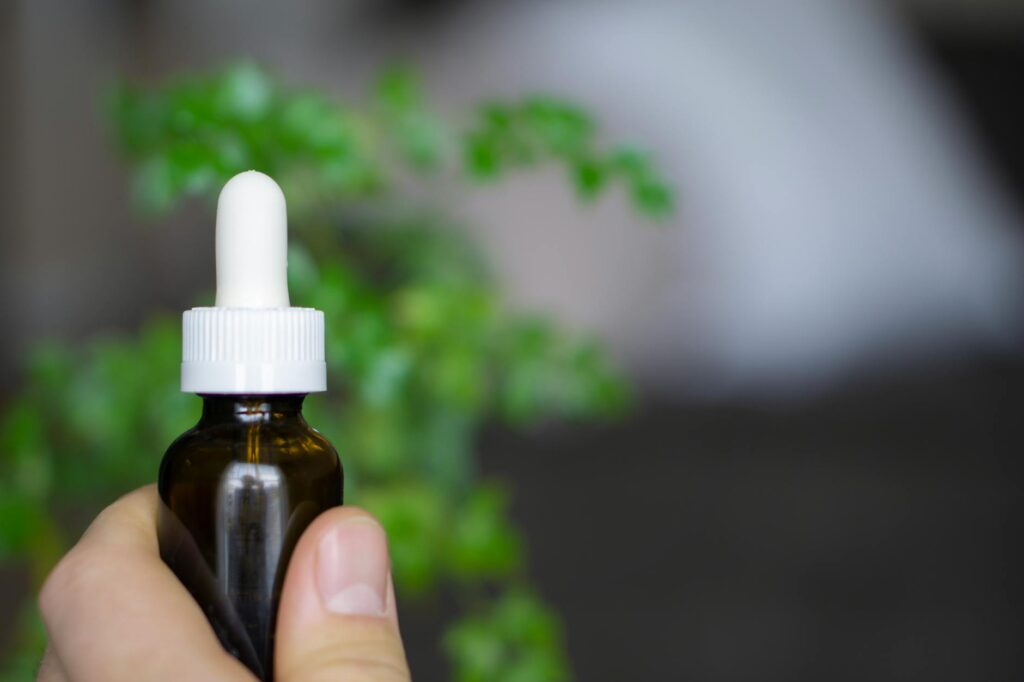
How Aromatherapy for Mood Stabilization Blends Is Used in Aromatherapy
Introduction
Aromatherapy is an ancient practice that harnesses the aromatic properties of essential oils derived from plants to promote physical, emotional, and psychological well-being. Among its many applications, mood stabilization is a significant focus area, where specific essential oil blends are utilized to balance emotions, alleviate stress, and enhance overall mental clarity. This article explores the concept of aromatherapy for mood stabilization, its benefits, common uses, applications, safety considerations, and storage tips.
What Is Aromatherapy for Mood Stabilization Blends?
Aromatherapy for mood stabilization blends consists of combining various essential oils that are believed to have uplifting, calming, or balancing effects on the mind and emotions. The practice is grounded in the idea that scent can influence brain chemistry and, consequently, emotional states. Common essential oils used in mood stabilization blends include lavender, bergamot, ylang-ylang, chamomile, and frankincense, among others.
Each essential oil possesses unique chemical properties that contribute to its effects. For instance, some oils may promote relaxation, while others may invoke feelings of joy or contentment. By blending these oils, practitioners aim to create a synergistic effect that can enhance mood stabilization.
Key Benefits and Properties
The benefits of aromatherapy for mood stabilization blends are numerous and can vary depending on the specific oils used. Some of the key properties of essential oils that contribute to mood stabilization include:
- Anxiolytic Properties: Oils like lavender and chamomile are known for their calming effects, which may help alleviate feelings of anxiety and promote relaxation.
- Uplifting Effects: Citrus oils such as bergamot and sweet orange are often included in mood stabilization blends for their ability to uplift the spirit and promote a positive outlook.
- Balancing Emotions: Oils like ylang-ylang and geranium are believed to help balance emotions and reduce feelings of frustration or irritability.
- Stress Relief: Essential oils such as frankincense and cedarwood are known for their grounding properties, helping to relieve stress and promote a sense of calm.
- Enhanced Focus: Some blends may also include oils like rosemary and peppermint, which can enhance mental clarity and concentration.
- Diffusion: Adding essential oils to a diffuser creates an aromatic atmosphere that can influence mood in a shared space, such as a home or office.
- Topical Application: When diluted with a carrier oil, mood stabilization blends can be applied to pulse points, such as wrists and temples, allowing for personal and immediate effects.
- Bathing: Adding essential oils to bathwater can create a serene environment for relaxation and stress relief.
- Inhalation: Direct inhalation from the bottle or a cotton ball can provide swift emotional support when feelings of anxiety or stress arise.
- Massage: Incorporating these blends into massage oils can enhance the therapeutic benefits of touch, promoting relaxation and emotional balance.
- Dilution: Essential oils are highly concentrated and should always be diluted with a carrier oil (such as coconut, jojoba, or olive oil) before topical application to prevent skin irritation.
- Patch Test: It is advisable to conduct a patch test on a small skin area before using a new oil or blend to check for any allergic reactions.
- Contraindications: Certain essential oils may not be suitable for individuals with specific health conditions or those who are pregnant or nursing. Always consult with a qualified practitioner if unsure.
- Quality of Oils: Choose high-quality, pure essential oils from reputable sources. Adulterated or synthetic oils may not provide the desired effects and can be harmful.
- Cool, Dark Place: Essential oils should be stored in a cool, dark place, away from direct sunlight and heat sources. A cabinet or drawer is ideal.
- Airtight Containers: Keep oils in tightly sealed, dark glass bottles to prevent oxidation and degradation.
- Shelf Life: The shelf life of essential oils can vary. Generally, citrus oils may last around one to two years, while other oils may last longer. Regularly check for changes in color, scent, or viscosity, which may indicate that the oil has degraded.
Common Uses
Aromatherapy blends for mood stabilization can be applied in various ways, making them versatile for different settings and occasions. Common uses include:
Aromatherapy Applications
The application of mood stabilization blends can be tailored to individual needs and preferences. Here are some popular methods:
1. Diffusers
Ultrasonic or nebulizing diffusers are commonly used to disperse essential oils into the air. This method allows for a gentle and continuous release of scent, making it ideal for creating a calming atmosphere in living or workspaces.
2. Roll-Ons
Pre-made or DIY roll-on blends are convenient for on-the-go use. They can be easily applied to pulse points for immediate emotional support.
3. Bath Salts
Incorporating essential oils into bath salts can elevate the bathing experience, allowing for relaxation and stress reduction during a warm soak.
4. Inhalers
Portable inhalers filled with mood stabilization blends can be beneficial for quick relief from stressful situations, providing an immediate aromatic experience.
5. Pillows and Sleep Masks
Spritzing a blend onto pillows or sleep masks can promote restful sleep, as certain essential oils may help calm the mind before bedtime.
Safety Considerations
While aromatherapy can offer various benefits, safety precautions should be taken to ensure a positive experience. Here are some important considerations:
Storage and Shelf Life
Proper storage of essential oils is crucial for maintaining their potency and effectiveness. Here are some tips:
Frequently Asked Questions
1. Can aromatherapy for mood stabilization be used alongside other treatments?
Aromatherapy can complement various wellness practices, including meditation, yoga, and traditional therapies. However, it is essential to consult a healthcare provider for personalized guidance.
2. How long does it take to feel the effects of aromatherapy blends?
The onset of effects can vary depending on the method of application and individual sensitivity. Many people report experiencing immediate effects through inhalation or diffusion, while topical applications may take longer.
3. Can children and pets use aromatherapy blends?
Special care should be taken when using essential oils around children and pets. Always consult a qualified professional for advice on safe usage and appropriate dilution ratios.
4. Are there any essential oils that should be avoided?
Certain essential oils may not be suitable for specific populations or conditions. For example, oils like sage and rosemary may not be recommended for pregnant individuals. Always research or consult a professional before use.
5. Can I create my own mood stabilization blend?
Yes, creating personalized blends can be a rewarding experience and allows you to tailor aromas to your preferences. Start with a few drops of each essential oil, testing and adjusting ratios to achieve a harmonious scent.
Conclusion
Aromatherapy for mood stabilization blends offers a fascinating intersection of nature and emotional well-being. By understanding the properties and applications of various essential oils, individuals can harness their benefits for enhanced mood and emotional balance. Whether through diffusion, topical application, or other methods, these aromatic blends can provide a natural and holistic approach to emotional health. As with any wellness practice, it is essential to approach aromatherapy with mindfulness, ensuring safety and efficacy in personal use.