
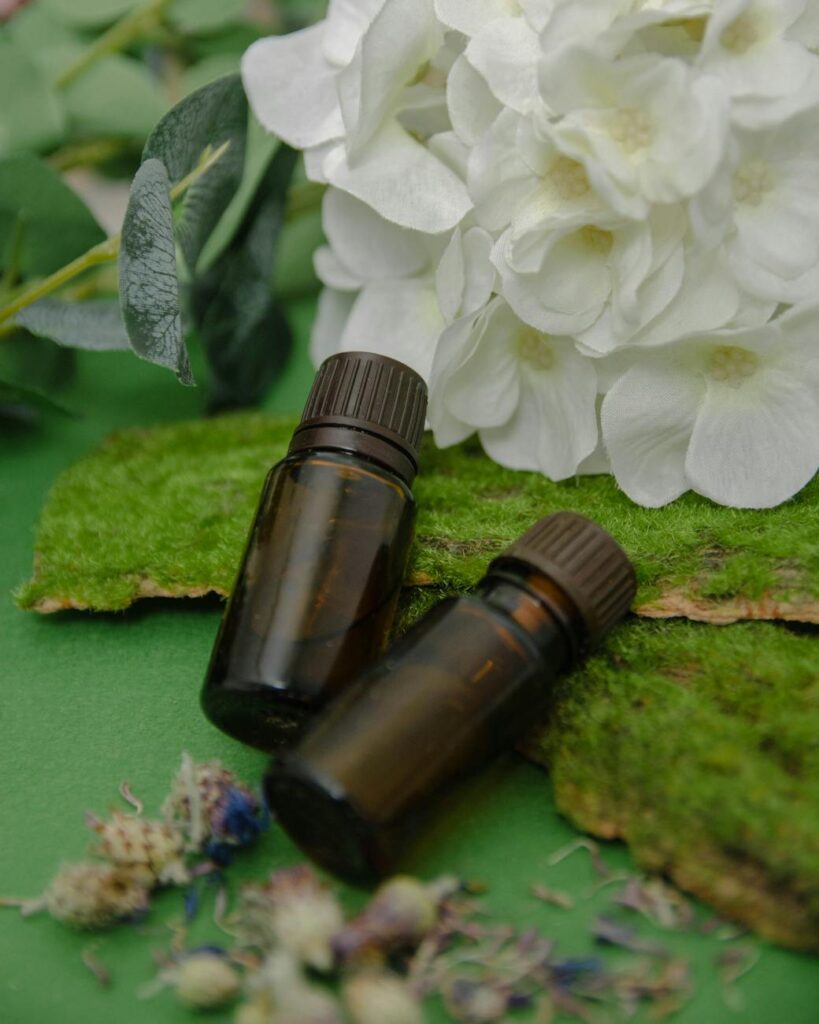
How Aromatherapy for Relationship Harmony Blends Is Used in Aromatherapy
Introduction
Aromatherapy, the practice of using essential oils extracted from plants for therapeutic purposes, has gained popularity as a holistic approach to enhancing well-being. One specific area of interest within aromatherapy is the development of relationship harmony blends. These blends are designed to promote emotional balance, improve interpersonal communication, and foster a sense of unity between individuals. This article delves into what aromatherapy for relationship harmony blends entails, its key benefits, common applications, and relevant safety considerations.
What Is Aromatherapy for Relationship Harmony Blends?
Aromatherapy for relationship harmony blends involves the careful selection and combination of essential oils that are believed to support emotional connectivity and enhance mutual understanding in relationships. The essence of these blends lies in their ability to evoke emotional responses, stimulate positive feelings, and create an environment conducive to open communication and intimacy.
These blends often incorporate essential oils known for their calming, uplifting, and harmonizing properties, allowing individuals to experience a more profound connection with themselves and others. While the effects of essential oils can vary from person to person, the intention behind these blends is to cultivate a nurturing atmosphere that supports healthy relationships.
Key Benefits and Properties
The benefits of relationship harmony blends extend beyond mere fragrance. The essential oils chosen for these blends often possess unique properties that can influence emotional states and interpersonal dynamics:
1. Calming Effects: Oils like lavender, chamomile, and bergamot are renowned for their soothing properties, helping to reduce anxiety and stress, which are often barriers to effective communication.
2. Mood Enhancement: Citrus oils, such as sweet orange and lemon, are uplifting and can promote feelings of joy and positivity, fostering a more harmonious environment.
3. Grounding Qualities: Essential oils such as sandalwood and frankincense can help ground individuals, enabling them to engage more fully in their relationships without becoming overwhelmed by external stressors.
4. Open Communication: Oils like ylang-ylang and geranium are thought to encourage emotional expression, making it easier for individuals to share their feelings and thoughts openly.
5. Emotional Balance: Blends formulated with a variety of oils can promote overall emotional equilibrium, supporting individuals in navigating complex feelings that may arise in relationships.
Common Uses
Aromatherapy for relationship harmony blends can be employed in various contexts, including:
- Couples Therapy: Used during sessions to create a calming atmosphere that encourages open dialogue and emotional exploration.
- Intimate Settings: Diffusing these blends in shared spaces, such as living rooms or bedrooms, can help set the mood for connection and intimacy.
- Conflict Resolution: Using harmonious blends during discussions can help ease tensions and promote a more constructive dialogue.
- Self-Care Rituals: Individuals can use these blends during personal self-care practices, such as meditation or journaling, to enhance their emotional states before engaging with others.
- Dilution: Always dilute essential oils with a carrier oil before applying them to the skin to prevent irritation.
- Patch Test: Conduct a patch test on a small area of skin to check for any allergic reactions before widespread use.
- Quality of Oils: Use high-quality, pure essential oils from reputable sources. Adulterated or synthetic oils may not provide the desired effects and might pose health risks.
- Pregnancy and Nursing: Pregnant or nursing individuals should consult with a qualified aromatherapist or healthcare provider before using essential oils.
- Underlying Health Issues: Those with underlying health conditions, particularly respiratory issues or allergies, should exercise caution and seek professional advice.
- Storage: Essential oils should be stored in a cool, dark place, away from direct sunlight, to maintain their integrity.
- Containers: Store essential oils in dark glass bottles to protect them from light, which can degrade the oils over time.
- Temperature: Keep oils in a cool, dry place. Extreme temperatures can alter the chemical composition of essential oils.
- Shelf Life: While some essential oils can last for several years, others may have shorter shelf lives. Citrus oils, for example, tend to have a shorter lifespan compared to more stable oils like patchouli or vetiver. Generally, essential oils should be used within 1-3 years for optimal effectiveness.
Aromatherapy Applications
There are several methods for applying relationship harmony blends in aromatherapy, each offering unique benefits:
1. Diffusion
One of the most common methods, diffusion involves dispersing essential oils into the air using a diffuser. This method allows the aromatic compounds to fill a room, creating a pleasant and inviting atmosphere that can facilitate communication and connection.
2. Topical Application
For a more direct application, diluted essential oils can be applied to pulse points, such as wrists or behind the ears. When using essential oils topically, it is essential to dilute them with a carrier oil, such as jojoba or sweet almond oil, to prevent skin irritation.
3. Bathing
Adding a few drops of a relationship harmony blend to a warm bath can create a relaxing and intimate environment. The heat of the water helps to disperse the oils, allowing for a soothing experience that can promote emotional healing.
4. Inhalation
Direct inhalation of an essential oil blend can provide immediate effects. Placing a few drops on a cotton ball or in the palms of the hands and inhaling deeply can instantly elevate mood and enhance emotional clarity.
5. Massage
Incorporating these blends into massage routines can deepen emotional connections. The combination of touch and aroma can enhance relaxation and foster a sense of intimacy.
Safety Considerations
While aromatherapy is generally considered safe, certain precautions should be taken, especially when using essential oils:
Storage and Shelf Life
Proper storage is crucial for maintaining the efficacy of essential oils. Here are some guidelines:
Frequently Asked Questions
1. What are the best essential oils for relationship harmony blends?
Common essential oils include lavender, bergamot, ylang-ylang, sweet orange, and frankincense. Each oil brings unique benefits that can enhance emotional connection.
2. How can I create my own relationship harmony blend?
To create a blend, start with a base oil, then combine 2-3 essential oils that resonate with your intentions. A general ratio is usually 20-30 drops of essential oil per ounce of carrier oil.
3. Can I use these blends on children?
While some essential oils are safe for children, it’s crucial to dilute them properly and consult with a healthcare professional or aromatherapist for guidance.
4. How often should I use these blends for the best results?
Frequency can vary based on individual needs. Regular use in a calming environment can be beneficial, but always pay attention to your emotional response and use as needed.
5. Are there any essential oils to avoid for relationship harmony blends?
Certain oils, such as those that are highly stimulating or have strong medicinal scents, may not be conducive to a harmonious atmosphere. Oils like peppermint or eucalyptus may be too invigorating for this purpose.
Conclusion
Aromatherapy for relationship harmony blends represents a holistic approach to enhancing interpersonal connections. By harnessing the unique properties of essential oils, individuals can create nurturing environments that promote emotional balance, effective communication, and a deeper sense of unity. While these blends can be a valuable tool in fostering relationship harmony, it is essential to use them mindfully and with consideration for individual sensitivities and circumstances. Through careful application and respect for the natural properties of essential oils, aromatherapy can contribute to more harmonious relationships and improved emotional well-being.