
How Aromatherapy for Respiratory Health Blends Is Used in Aromatherapy
Introduction
Aromatherapy is an ancient practice that utilizes the therapeutic properties of essential oils to promote physical, emotional, and spiritual well-being. Among its many applications, one of the most sought-after areas is respiratory health. Essential oils have been recognized for their potential to support respiratory function, ease congestion, and promote overall lung health. This article delves into the world of aromatherapy for respiratory health blends, examining their composition, benefits, applications, and safety considerations.
What Is Aromatherapy for Respiratory Health Blends?
Aromatherapy for respiratory health blends refers to carefully curated combinations of essential oils that specifically target respiratory issues. These blends are formulated to assist in clearing the airways, reducing inflammation, and providing relief from symptoms associated with colds, allergies, and other respiratory conditions. Common essential oils used in these blends include eucalyptus, peppermint, tea tree, and lavender, each contributing unique properties that support respiratory health. The synergy of these oils enhances their effectiveness, creating a holistic approach to respiratory wellness.
Key Benefits and Properties
Eucalyptus
Eucalyptus oil is renowned for its ability to promote clearer breathing. Its primary compound, eucalyptol, has been shown to help alleviate nasal congestion and reduce inflammation in the airways. Its menthol-like aroma can invigorate the senses and promote a sense of freshness.
Peppermint
Peppermint oil is another popular choice in respiratory blends. Its menthol content provides a cooling sensation that can help soothe sore throats and ease breathing. The refreshing scent can also stimulate mental clarity and reduce stress, which may indirectly affect respiratory health.
Tea Tree
Tea tree oil is celebrated for its antimicrobial properties, making it effective in combating respiratory infections. Its ability to reduce inflammation and promote a healthy immune response can further support respiratory function.
Lavender
Lavender oil is often included in respiratory blends for its calming properties. It can help reduce anxiety and promote relaxation, which is beneficial during respiratory distress. Its soothing aroma can also create a peaceful environment conducive to better breathing.
Other Considerations
In addition to these primary oils, other ingredients such as rosemary, lemon, and frankincense may be included in respiratory blends to enhance their effectiveness. Each oil brings its unique profile of benefits, creating a multifaceted approach to respiratory health.
Common Uses
Aromatherapy blends for respiratory health can be employed in various scenarios:
1. Seasonal Allergies: Essential oil blends can help mitigate symptoms associated with allergies, such as sneezing and nasal congestion.
2. Colds and Flu: During cold and flu season, these blends can provide relief from congestion, sore throat, and other respiratory discomforts.
3. Cough Relief: Certain essential oils can help soothe coughs and clear mucus from the lungs.
4. Air Quality Improvement: Diffusing respiratory health blends can help purify the air, making it easier to breathe and promoting an overall sense of well-being.
Aromatherapy Applications
There are several methods for utilizing respiratory health blends in aromatherapy:
Diffusion
One of the most popular methods, diffusing essential oils allows their aromatic compounds to disperse in the air. This can create a soothing atmosphere while providing respiratory support. For optimal results, a few drops of the blend can be added to a diffuser, ensuring a steady release of the aroma over time.
Inhalation
Direct inhalation is another effective method. A few drops of the respiratory blend can be placed on a tissue or cotton ball and inhaled deeply. This method is particularly useful for quick relief during acute symptoms.
Topical Application
When diluted with a carrier oil, respiratory blends can be applied topically to the chest or back. This method allows for localized effects and can enhance the overall aromatherapy experience. A common dilution ratio is 2-3 drops of essential oil blend per teaspoon of carrier oil, such as coconut or jojoba oil.
Steam Inhalation
Steam inhalation can be particularly beneficial for respiratory issues. Adding a few drops of the blend to a bowl of hot water and inhaling the steam can help open airways and promote clearer breathing.
Safety Considerations
While aromatherapy is generally considered safe, certain precautions should be taken:
1. Dilution: Essential oils are highly concentrated and should always be diluted before topical application to avoid skin irritation.
2. Allergies: Individuals with allergies or sensitivities should perform a patch test before using any new essential oil or blend.
3. Pregnancy and Nursing: Pregnant or nursing individuals should consult a qualified professional before using essential oils, as some may not be safe during these periods.
4. Medical Conditions: Those with pre-existing medical conditions or who are taking medications should seek guidance from a healthcare professional before incorporating essential oils into their routine.
5. Children: Special care should be taken when using essential oils around children. Some oils may not be suitable for young ones, and dilution is particularly important.
Storage and Shelf Life
To preserve the integrity of essential oils, proper storage is essential. Here are some guidelines:
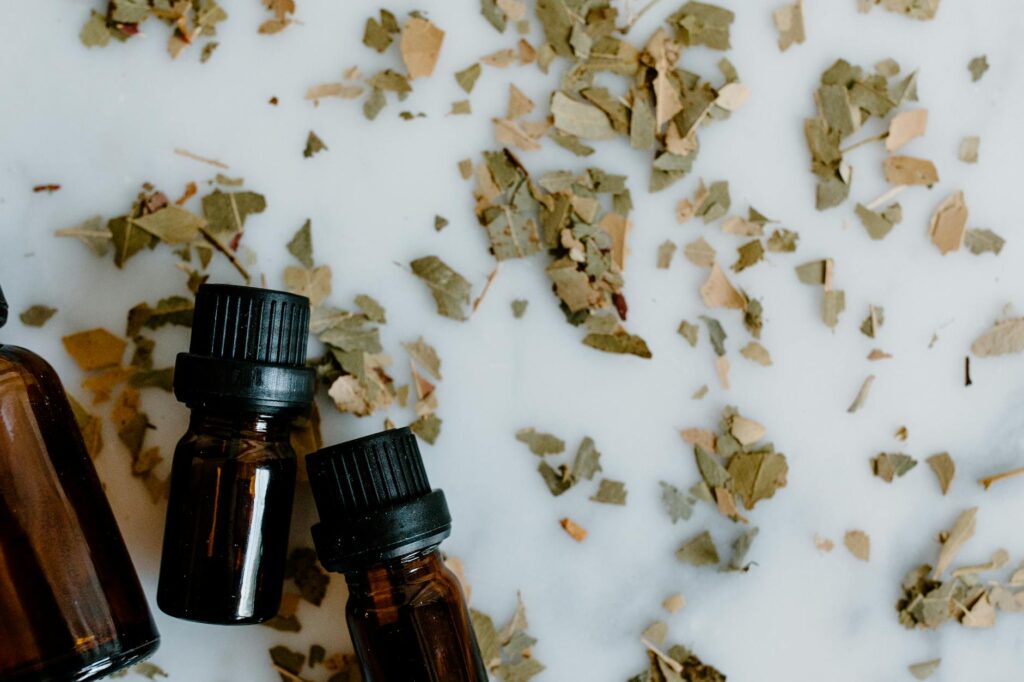
1. Dark Glass Containers: Essential oils should be stored in dark glass bottles to protect them from light, which can degrade their quality.
2. Cool Environment: A cool, dry place is ideal for storage. Avoid keeping oils in a bathroom or near heat sources.
3. Shelf Life: While many essential oils have a shelf life of 1 to 3 years, some may last longer. Citrus oils generally have a shorter shelf life compared to oils like patchouli or sandalwood.
4. Expiration Signs: If an essential oil develops an off smell, changes color, or has a cloudy appearance, it may be time to discard it.
Frequently Asked Questions
Can I use essential oils if I have asthma?
While many people with asthma find relief using essential oils, it is essential to consult with a healthcare professional before doing so. Individual responses can vary, and some oils may trigger symptoms in sensitive individuals.
How often can I use respiratory blends?
The frequency of use depends on individual needs and sensitivities. Generally, using respiratory blends 1-2 times a day is considered safe for most individuals. However, listening to your body is crucial.
Can I create my own respiratory health blend?
Yes, creating your own blend can be a rewarding experience. Start with a base oil and add essential oils known for their respiratory benefits. Experiment with different combinations until you find a blend that works for you.
Are there any contraindications for using essential oils?
Certain essential oils may interact with medications or exacerbate existing health conditions. Always consult a healthcare provider if you have concerns about specific oils and their possible effects.
How can I enhance the effectiveness of aromatherapy for respiratory health?
In addition to using essential oils, maintaining a healthy lifestyle, staying hydrated, and practicing deep breathing exercises can further support respiratory health.
Conclusion
Aromatherapy for respiratory health blends offers a natural and holistic approach to enhancing well-being. By utilizing the unique properties of essential oils, individuals can promote clearer breathing, alleviate discomfort, and create a soothing environment. As with any holistic practice, it is essential to approach aromatherapy with knowledge and caution, ensuring that safety considerations are prioritized. Whether through diffusion, inhalation, or topical application, the benefits of respiratory health blends can be a valuable addition to a wellness routine.