
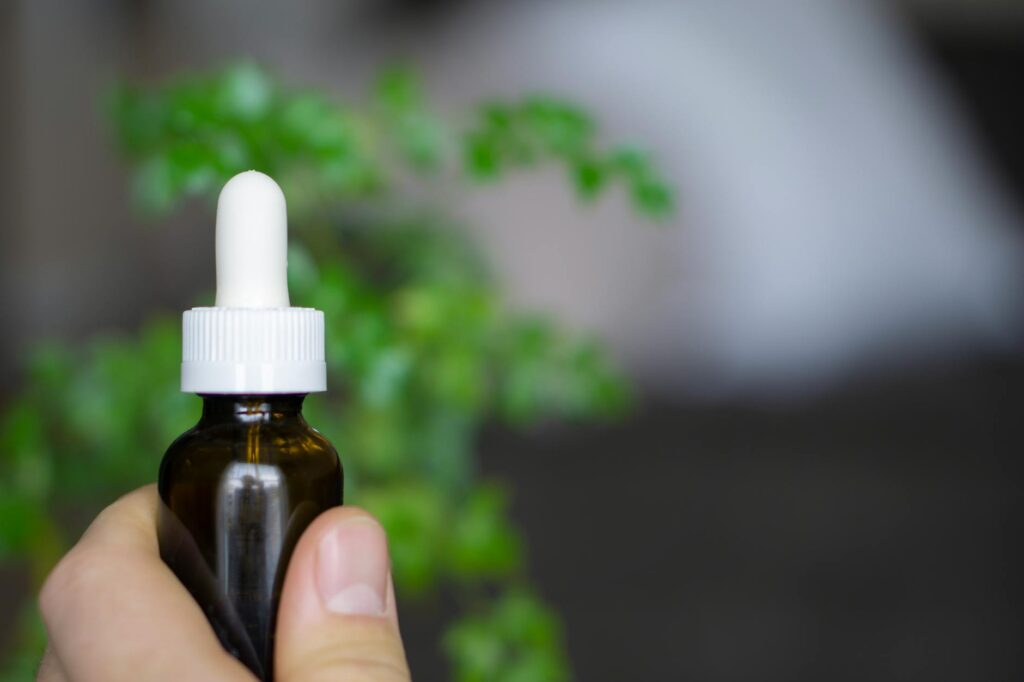
How Aromatherapy for Seasonal Immune Support Blends Is Used in Aromatherapy
Introduction
Aromatherapy, the practice of using essential oils derived from plants for therapeutic purposes, has gained popularity in recent years. Among its many applications, aromatherapy for seasonal immune support blends is a notable area of interest, especially as people seek natural ways to bolster their well-being during seasonal changes. This article explores the concept of seasonal immune support blends, their benefits, common uses, and safety considerations.
What Is Aromatherapy for Seasonal Immune Support Blends?
Aromatherapy for seasonal immune support blends refers to the use of specific combinations of essential oils aimed at enhancing the body’s natural defense mechanisms during times when susceptibility to illness may increase, such as during seasonal transitions. These blends typically harness the unique properties of various essential oils known for their immune-supporting characteristics.
These blends often contain oils that can help stimulate the immune system, reduce stress, and promote overall health. Common essential oils used in these blends include eucalyptus, tea tree, lavender, lemon, and peppermint, among others. The efficacy of these oils is attributed to their chemical constituents, which can promote various physiological responses in the body.
Key Benefits and Properties
The essential oils used in seasonal immune support blends offer several key benefits:
1. Immune System Support
Many essential oils are believed to possess antimicrobial and antiviral properties. For example, tea tree oil (Melaleuca alternifolia) is known for its antiseptic qualities, while eucalyptus oil (Eucalyptus globulus) may help invigorate the respiratory system.
2. Stress Reduction
Seasonal transitions can bring about stress and anxiety, which may compromise immune function. Oils like lavender (Lavandula angustifolia) and chamomile (Chamaemelum nobile) are renowned for their calming properties, helping to promote relaxation and emotional balance.
3. Respiratory Health
Blends that include oils like peppermint (Mentha piperita) and eucalyptus can facilitate easier breathing and clear nasal passages, making them beneficial during allergy seasons or colds.
4. Mood Enhancement
Citrus oils, such as lemon (Citrus limon) and orange (Citrus sinensis), are uplifting and can enhance mood, which is essential for overall well-being during challenging seasonal changes.
Common Uses
Aromatherapy blends for seasonal immune support may be applied in various ways, depending on personal preferences and specific needs. Here are some common uses:
1. Diffusion
Using an essential oil diffuser is one of the most popular methods to disperse the aroma of immune-supporting blends throughout a room. This method not only purifies the air but also allows individuals to inhale the beneficial compounds directly.
2. Topical Application
Diluting essential oils in a carrier oil (such as coconut or jojoba oil) and applying them topically can also deliver the benefits of the oils. Common application areas include wrists, chest, and the soles of the feet.
3. Inhalation
Inhaling essential oils directly from the bottle or from a cotton ball or tissue can provide quick relief and benefits, especially for respiratory support.
4. Bathing
Adding essential oils to a warm bath can create a soothing experience that promotes relaxation and enhances immune function. Oils should be properly diluted in a carrier oil or bath salts before being added to the water.
Aromatherapy Applications
The application of aromatherapy for seasonal immune support can take many forms. Here are some practical suggestions for creating and using these blends:
1. Custom Blends
Creating a personalized blend can be rewarding. A common recipe might include:
- 3 drops of tea tree oil
- 2 drops of eucalyptus oil
- 2 drops of lavender oil
- 1 drop of lemon oil
Mix these oils with a carrier oil for topical application, or use them in a diffuser.
2. Pre-Made Blends
Many commercial products are available that combine several essential oils specifically formulated for immune support. These can be convenient for those who prefer not to create their own blends.
3. Seasonal Rituals
Incorporating aromatherapy into seasonal rituals—such as cleaning the home or preparing for seasonal festivities—can enhance the atmosphere and promote health.
Safety Considerations
While essential oils are natural, they are potent and should be used with caution. Here are some important safety considerations:
1. Dilution
Essential oils should always be diluted before topical application to avoid skin irritation. A typical dilution ratio is 2-3 drops of essential oil per teaspoon of carrier oil.
2. Sensitivity Testing
It is advisable to conduct a patch test on a small area of skin before using a new essential oil to check for any adverse reactions.
3. Consultation
Individuals with specific health conditions, pregnant women, and children should consult a healthcare professional or a qualified aromatherapist before using essential oils.
4. Avoiding Ingestion
Essential oils should not be ingested unless under the guidance of a qualified practitioner, as they can be toxic in certain amounts.
Storage and Shelf Life
Proper storage of essential oils is crucial for maintaining their efficacy. Here are some tips:
1. Dark Glass Containers
Store essential oils in dark glass bottles to protect them from light, which can degrade their quality.
2. Cool, Dry Places
Keep oils in a cool, dry environment, away from direct sunlight and heat sources.
3. Shelf Life
Essential oils typically have a shelf life of 1-3 years, depending on the oil and storage conditions. Citrus oils tend to have a shorter shelf life compared to more stable oils like sandalwood or patchouli.
Frequently Asked Questions
1. Can aromatherapy prevent illness?
While aromatherapy can support overall well-being, it should not be viewed as a substitute for medical treatment or preventive care. Its role is more about complementing a healthy lifestyle.
2. How often should I use immune support blends?
Usage frequency can vary based on individual preference and needs. For general wellness, diffusing oils daily or using topical applications 2-3 times a week may be sufficient.
3. What are some essential oils to avoid during pregnancy?
Certain essential oils, such as rosemary, sage, and thyme, are generally advised against during pregnancy. Always consult a healthcare professional for guidance.
4. Can children use essential oils?
Yes, but with caution. It is essential to dilute oils appropriately and choose child-safe options. Consulting with a pediatrician or aromatherapy professional is recommended.
Conclusion
Aromatherapy for seasonal immune support blends offers a holistic approach to enhancing well-being during times of seasonal change. By understanding the properties and benefits of essential oils, individuals can create their own blends or select pre-made options to support their immune system and emotional health. However, it is essential to use these natural remedies wisely and with proper safety considerations. By incorporating aromatherapy into daily routines, individuals can foster a healthier, more balanced lifestyle throughout the seasons.