
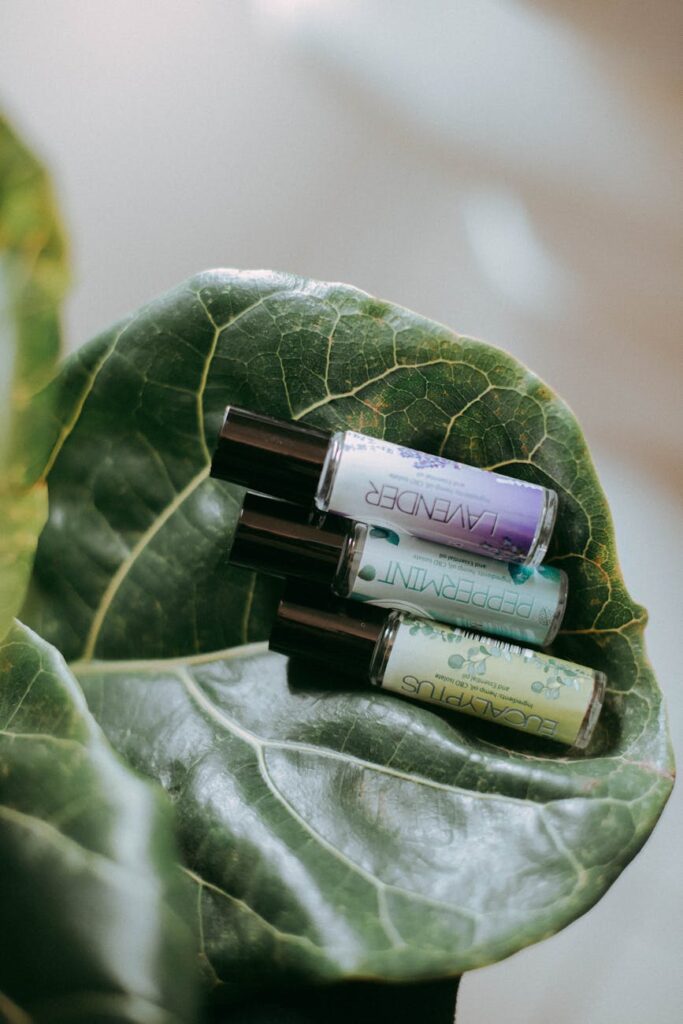
How Aromatherapy for Self-Discovery Blends Is Used in Aromatherapy
Introduction
Aromatherapy, the practice of using essential oils for therapeutic benefits, has gained popularity as a holistic approach to well-being. Among its various applications, aromatherapy for self-discovery blends offers a unique pathway for personal exploration and emotional growth. These blends are crafted to enhance self-awareness, facilitate emotional release, and promote mental clarity, making them valuable tools for those on a journey of self-discovery. This article delves into what self-discovery blends are, their benefits, and how they can be effectively used in aromatherapy.
What Is Aromatherapy for Self-Discovery Blends?
Aromatherapy for self-discovery blends comprises specific combinations of essential oils designed to aid individuals in exploring their emotions, thoughts, and deeper self-awareness. These blends typically include oils known for their grounding, uplifting, or clarifying properties. The intention behind using these blends is to create an environment that encourages introspection and emotional release, allowing individuals to connect with their inner selves on a deeper level.
Essential oils used in these blends can evoke memories, stimulate creativity, and foster a sense of calm. By engaging the olfactory system, these aromatic compounds can influence mood and emotional states, making them powerful allies in personal exploration.
Key Benefits and Properties
Emotional Balance
Self-discovery blends often include oils that promote emotional balance, helping to stabilize mood swings, alleviate anxiety, and foster a sense of inner peace. Oils like lavender, bergamot, and frankincense are commonly used for their calming properties.
Clarity and Focus
Certain essential oils, such as rosemary and peppermint, are known for their ability to enhance mental clarity and focus. These oils can help individuals cut through mental fog, facilitating deeper introspection and self-reflection.
Grounding and Centering
Grounding essential oils like vetiver and cedarwood can help individuals feel more centered and connected to their surroundings. This grounding effect is particularly beneficial during self-discovery processes, as it fosters a sense of stability and security.
Creativity and Inspiration
Some blends are specifically tailored to unlock creativity and inspire new ideas. Oils such as sweet orange and ylang-ylang can uplift the spirit and stimulate the imagination, making them ideal for those seeking creative expression during their self-exploration.
Common Uses
Meditation and Mindfulness Practices
Self-discovery blends are often used during meditation and mindfulness practices. The calming and centering properties of these oils can help create an atmosphere conducive to deep reflection and inner exploration.
Journaling and Creative Expression
Using essential oils while journaling or engaging in creative activities can enhance the experience. The aromatic profile can inspire thoughts and feelings, making it easier to articulate personal insights and emotions.
Counseling and Therapeutic Sessions
Aromatherapy for self-discovery can be beneficial in counseling or therapeutic settings. When integrated into these sessions, the right blend can help clients open up and connect with their emotions more freely.
Personal Rituals
Incorporating self-discovery blends into personal rituals, such as baths, yoga, or quiet time, can enhance the overall experience. The ritualistic application of these oils can help create a sacred space for self-reflection and growth.
Aromatherapy Applications
Diffusion
One of the most common methods of using self-discovery blends is through diffusion. A few drops of the blend can be added to a diffuser, allowing the essential oils to disperse into the air. This method fills the environment with the chosen aroma, creating a calming and inviting space for introspection.
Inhalation
For immediate effects, inhalation is an efficient application method. Simply place a few drops of the blend on a cotton ball or tissue and inhale deeply. This method allows for quick access to the emotional and psychological benefits of the essential oils.
Topical Application
Self-discovery blends can also be applied topically, typically diluted in a carrier oil to ensure skin safety. Applying the blend to pulse points, such as the wrists or temples, allows for a personal and intimate connection with the aroma, enhancing emotional resonance.
Bathing
Adding a few drops of a self-discovery blend to a warm bath can create a soothing and reflective atmosphere. The combination of heat, water, and aromatic oils can stimulate relaxation and promote deep contemplation.
Safety Considerations
While essential oils are generally safe when used appropriately, it is essential to consider certain factors:
Dilution
Essential oils are highly concentrated and should be diluted before topical application. A common dilution ratio is 2-3 drops of essential oil per teaspoon of carrier oil.
Skin Sensitivity
Individuals may have varying sensitivities to essential oils. A patch test is recommended before applying any blend to a larger area of the skin. If irritation occurs, discontinue use.
Pregnancy and Health Conditions
Certain essential oils may not be suitable for pregnant women or individuals with specific health conditions. Always research the oils being used and consider consulting a certified aromatherapist for guidance.
Quality of Essential Oils
Opt for high-quality, pure essential oils from reputable sources. The therapeutic benefits of essential oils can be compromised if they are adulterated or of low quality.
Storage and Shelf Life
Proper storage of essential oils is crucial for maintaining their potency and effectiveness. Essential oils should be stored in dark glass bottles, away from direct sunlight, heat, and moisture. Most essential oils have a shelf life of 1 to 3 years, although some oils, like patchouli and sandalwood, can improve with age.
Labeling
It is advisable to label essential oils with the date of purchase and the type of oil. This practice helps keep track of shelf life and ensures that only fresh oils are used in blends.
Frequently Asked Questions
Can I create my own self-discovery blends?
Yes, creating your own blends can be a rewarding experience. Experiment with different essential oils to find combinations that resonate with your personal journey and emotional needs.
How often should I use self-discovery blends?
The frequency of use depends on personal preference and individual circumstances. Many find it beneficial to use these blends regularly, especially during meditation or self-reflection sessions.
Are self-discovery blends suitable for everyone?
While most people can benefit from aromatherapy, it is important to consider individual sensitivities and health conditions. If you are unsure, consult a qualified aromatherapist.
Can I use self-discovery blends in a diffuser?
Yes, diffusing self-discovery blends is a popular and effective method of application. It allows the aroma to fill the space, creating a conducive environment for self-exploration.
What essential oils are best for self-discovery?
Popular choices for self-discovery blends include lavender for calming, rosemary for clarity, and sweet orange for creativity. However, personal preference plays a significant role, and individuals should choose oils that resonate with them.
Conclusion
Aromatherapy for self-discovery blends offers a unique and enriching approach to personal exploration and emotional well-being. By harnessing the power of essential oils, individuals can create a nurturing environment for introspection, emotional release, and growth. Whether used during meditation, creative expression, or personal rituals, these blends serve as valuable tools on the journey of self-discovery. As with any aromatherapy practice, awareness of safety considerations and individual needs is paramount to fully benefit from this aromatic journey.