
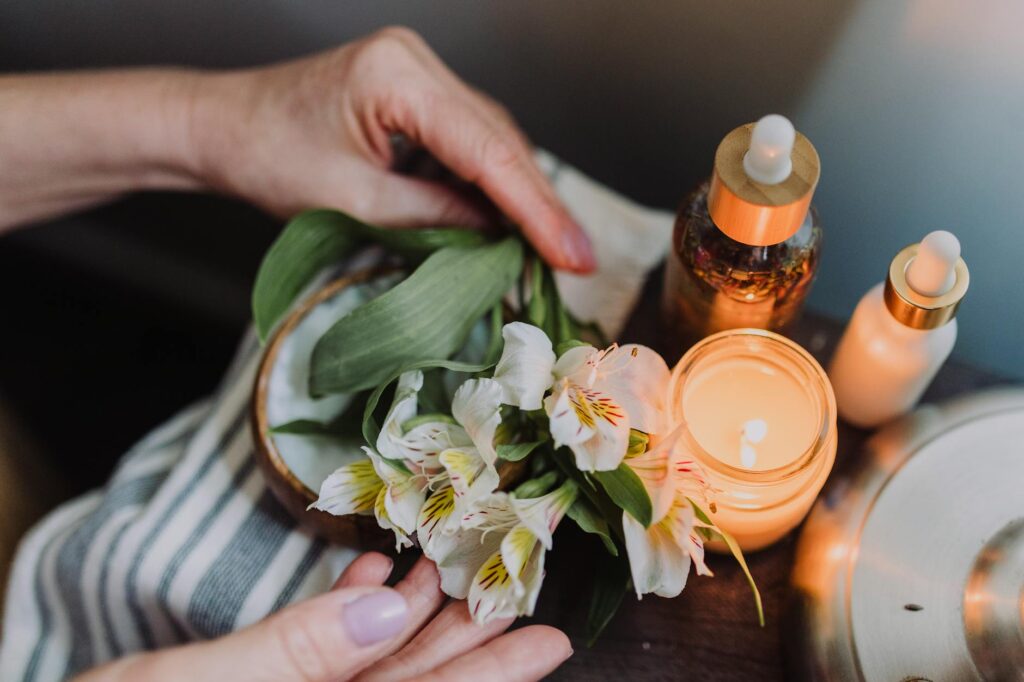
How Aromatherapy for Skin Care Blends Is Used in Aromatherapy
Introduction
Aromatherapy, an ancient holistic practice, harnesses the therapeutic properties of essential oils derived from plants. Among its numerous applications, skin care blends have gained prominence for their potential to enhance skin health and beauty. This article explores the intricacies of aromatherapy for skin care, including its benefits, common uses, and safety considerations, providing a comprehensive understanding of this fragrant approach to skin care.
What Is Aromatherapy for Skin Care Blends?
Aromatherapy for skin care blends involves the use of specific essential oils combined with carrier oils to create formulations aimed at improving skin health. The aromatic compounds in essential oils are believed to interact with the body’s physiological and psychological systems, promoting overall wellness. Skin care blends can target various skin concerns, including dryness, acne, aging, and sensitivity.
Essential oils are typically diluted in carrier oils, which are neutral oils derived from the fatty portions of plants. These carrier oils not only facilitate the safe application of concentrated essential oils but also contribute their own beneficial properties.
Key Benefits and Properties
Aromatherapy for skin care blends offers a myriad of potential benefits:
1. Moisturization: Many carrier oils, such as jojoba and sweet almond oil, possess emollient properties that help to hydrate and soften the skin.
2. Anti-Inflammatory Effects: Essential oils like chamomile and lavender are known for their anti-inflammatory properties, which can help soothe irritated or inflamed skin.
3. Antimicrobial Action: Certain essential oils, such as tea tree and eucalyptus, have demonstrated antimicrobial properties, making them effective for treating skin conditions like acne.
4. Wound Healing: Oils such as helichrysum and frankincense are reputed for their ability to promote skin regeneration and healing.
5. Balancing Properties: Essential oils can help balance oil production in the skin, making them beneficial for both dry and oily skin types.
6. Aromatherapy Benefits: The aromatic nature of essential oils can also promote relaxation and emotional well-being, enhancing the overall experience of skin care.
Common Uses
Aromatherapy skin care blends are versatile and can be used in various ways:
- Facial Oils: A blend of essential oils and carrier oils can be applied directly to the face to nourish and protect the skin.
- Massage Oils: Combining essential oils with a carrier oil creates an ideal medium for therapeutic massage, aiding in relaxation and tension relief.
- Body Butters and Creams: Essential oils can be incorporated into body butters and creams to enhance their benefits and provide a pleasant fragrance.
- Bath Oils: Adding essential oils to bathwater creates a soothing and aromatic environment, promoting relaxation while benefiting the skin.
- Spot Treatments: Concentrated blends can be directly applied to specific areas of concern, such as blemishes or dry patches.
- Patch Testing: Always conduct a patch test before applying a new blend to ensure there are no allergic reactions. Apply a small amount to a discreet area and wait 24 hours.
- Avoid Sensitive Areas: Essential oils should not be applied to sensitive areas, such as around the eyes or mucous membranes.
- Pregnancy and Health Conditions: Pregnant individuals or those with specific health conditions should consult a qualified professional before using essential oils.
- Children and Pets: Some essential oils are not suitable for use around children or pets. It is vital to research and choose oils that are safe for their use.
- Dark Glass Containers: Essential oils should be stored in dark glass bottles to protect them from light, which can degrade their quality.
- Cool, Dry Place: Keep oils and blends in a cool, dry place away from direct sunlight and heat sources.
- Shelf Life: Essential oils have varying shelf lives, typically ranging from 1 to 5 years. Carrier oils may have shorter shelf lives, so it is essential to check their freshness regularly.
Aromatherapy Applications
Integrating aromatherapy into skin care can be done in several ways:
1. Dilution and Application
When applying essential oils, it is crucial to dilute them in a carrier oil to prevent skin irritation. A standard dilution ratio is 1-2% essential oil in carrier oil. For facial applications, a lower concentration is often recommended.
2. Blending Techniques
Creating effective blends involves understanding the properties of various essential oils. A blend for oily skin might include tea tree and lavender oils, while a blend for dry skin could feature geranium and chamomile oils.
3. Inhalation and Diffusion
The aromatic properties of essential oils can also be experienced through inhalation or diffusion. This method can enhance mood and create a calming atmosphere during skin care routines.
4. Incorporation into Existing Products
Adding essential oils to commercially available skin care products can enhance their effectiveness and improve the sensory experience. However, caution should be taken to ensure compatibility with the base product.
Safety Considerations
While aromatherapy is generally considered safe, certain precautions should be observed:
Storage and Shelf Life
Proper storage is essential for maintaining the efficacy of essential oils and skin care blends:
Frequently Asked Questions
1. Can I use essential oils directly on my skin?
It is not recommended to use essential oils directly on the skin without dilution, as they can cause irritation or allergic reactions. Always dilute essential oils in a carrier oil before application.
2. What carrier oils are best for skin care?
Common carrier oils used in skin care include jojoba oil, sweet almond oil, coconut oil, and grapeseed oil. The choice of carrier oil depends on your skin type and the desired properties.
3. How do I choose the right essential oils for my skin type?
Consider your skin concerns and choose essential oils that address those issues. For example, tea tree oil is beneficial for acne-prone skin, while lavender oil is soothing for sensitive skin.
4. How often can I use aromatherapy skin care blends?
The frequency of use depends on individual skin type and the specific blend. Generally, facial oils can be used daily, while stronger blends for spot treatment may be applied as needed.
5. Are there any essential oils I should avoid?
Certain essential oils, such as cinnamon, clove, and oregano, can be irritating to the skin and should be used with caution. Always research the oils you plan to use and consult resources or professionals if uncertain.
Conclusion
Aromatherapy for skin care blends offers a fragrant and holistic approach to enhancing skin health and beauty. By understanding the various essential oils, their properties, and safe application methods, individuals can create personalized skin care rituals that not only nourish the skin but also promote emotional well-being. As with any holistic practice, education and mindfulness are key to ensuring a positive and beneficial experience.