
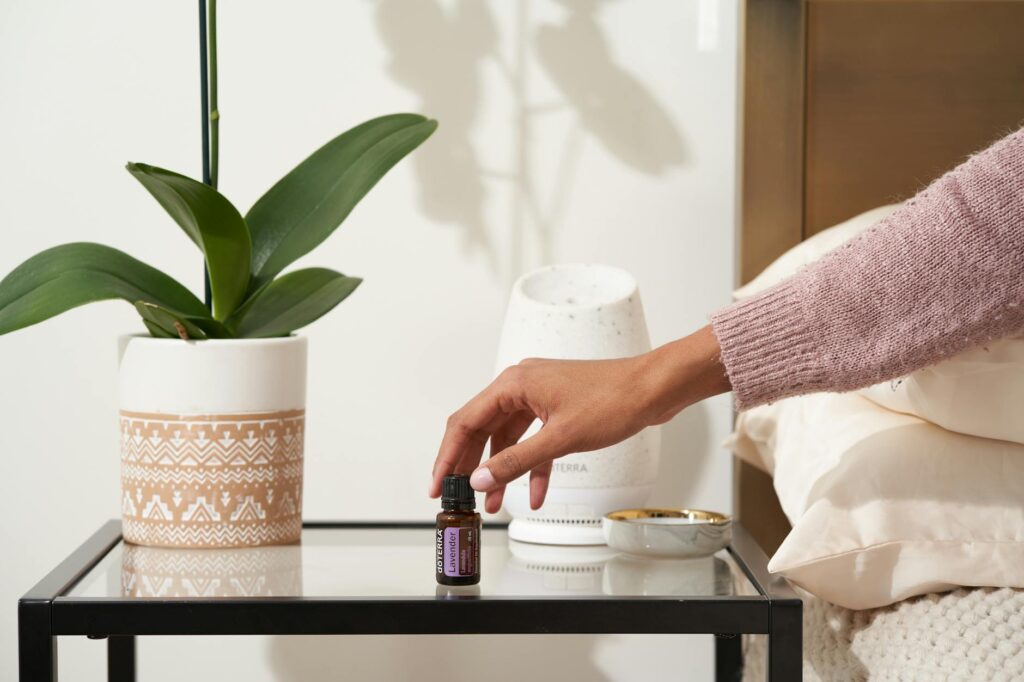
How Aromatherapy for Sleep Disorders Blends Is Used in Aromatherapy
Introduction
Aromatherapy is an ancient practice that utilizes the natural properties of essential oils to enhance physical, emotional, and mental well-being. Among the various applications of aromatherapy, its role in addressing sleep disorders has gained considerable attention in recent years. Individuals seeking natural alternatives to promote better sleep often turn to specially formulated blends of essential oils, harnessing their calming and soothing properties. This article explores the nature of these blends, their benefits, common uses, applications, safety considerations, and storage tips.
What Is Aromatherapy for Sleep Disorders Blends?
Aromatherapy for sleep disorders blends consists of specific combinations of essential oils that are intended to promote relaxation, reduce anxiety, and encourage restful sleep. These blends may include a variety of essential oils known for their sedative and calming effects, such as lavender, chamomile, cedarwood, and bergamot. The synergistic properties of these oils can create a holistic approach to managing sleep-related issues.
Common Essential Oils Used in Sleep Blends
1. Lavender (Lavandula angustifolia): Renowned for its calming properties, lavender is one of the most popular essential oils for sleep. It has been shown to reduce anxiety and improve sleep quality.
2. Roman Chamomile (Chamaemelum nobile): Chamomile is often used for its soothing effects, making it a favorite for those struggling with insomnia or restlessness.
3. Cedarwood (Cedrus atlantica): This oil is known for its grounding properties and can help alleviate stress and anxiety, promoting a sense of calm.
4. Bergamot (Citrus bergamia): Bergamot is often used in aromatherapy to reduce feelings of stress and promote relaxation, making it beneficial for sleep.
5. Ylang Ylang (Cananga odorata): Ylang ylang is celebrated for its ability to reduce tension and anxiety, fostering a tranquil environment conducive to sleep.
Key Benefits and Properties
Aromatherapy blends designed for sleep disorders offer several benefits, including:
- Reduction of Anxiety and Stress: Many essential oils have anxiolytic properties, helping to alleviate feelings of anxiety that can hinder sleep.
- Improved Sleep Quality: By promoting relaxation and reducing restlessness, these blends can contribute to deeper, more restorative sleep.
- Enhanced Mood: Some essential oils can elevate mood and reduce feelings of depression, which may be beneficial for those whose sleep disturbances are linked to emotional challenges.
- Support for Relaxation Rituals: Incorporating aromatherapy into bedtime routines can signal to the body that it is time to unwind, establishing a conducive atmosphere for sleep.
- Diffusion: Using an essential oil diffuser, individuals can disperse the aroma of sleep blends throughout a room, creating a calming environment.
- Topical Application: Oil blends can be diluted with a carrier oil and applied to pulse points, such as wrists, neck, or temples, to promote relaxation.
- Bath Soaks: Adding a few drops of sleep blends to a warm bath can create a soothing pre-sleep ritual.
- Sleep Pillows: Spraying or placing a few drops of essential oil on pillows or linens can help create a comforting atmosphere conducive to sleep.
- Ingredients:
- 3 drops of lavender essential oil
- 2 drops of chamomile essential oil
- 2 drops of cedarwood essential oil
- 1 tablespoon of carrier oil (e.g., sweet almond oil or jojoba oil)
- Instructions:
- Dilution: Essential oils are highly concentrated and should be diluted in a carrier oil before topical application to avoid skin irritation.
- Allergies and Sensitivities: Conduct a patch test on a small area of skin to check for potential allergic reactions before widespread use.
- Pregnancy and Medical Conditions: Pregnant or nursing individuals, as well as those with specific medical conditions, should consult a healthcare professional before using essential oils.
- Children and Pets: Certain essential oils can be harmful to children and pets. It is vital to research and ensure the safety of chosen oils before use around vulnerable populations.
- Cool, Dark Place: Store essential oils in a cool, dark location, such as a cabinet or drawer, away from direct sunlight and heat.
- Tightly Sealed Containers: Ensure that bottles are tightly sealed to prevent oxidation and evaporation.
- Shelf Life: Essential oils typically have a shelf life ranging from 1 to 5 years, depending on the specific oil. Check for signs of degradation, such as changes in color or smell.
Common Uses
Aromatherapy blends for sleep disorders can be employed in various ways, allowing users to find the method that best suits their preferences. Common applications include:
Aromatherapy Applications
Creating Your Own Sleep Blends
For those interested in crafting their own blends, the following recipe can serve as a starting point:
Basic Sleep Blend Recipe
1. Combine the essential oils with the carrier oil in a small glass bottle.
2. Shake gently to mix the oils.
3. Use as needed for topical application or as a bath oil.
Commercial Sleep Blends
Many brands offer pre-formulated sleep blends, often combining several essential oils for maximum effect. When selecting a commercial product, it’s important to choose high-quality, pure essential oils free from synthetic additives.
Safety Considerations
While aromatherapy is generally considered safe, there are some important safety considerations to keep in mind:
Storage and Shelf Life
Proper storage is essential for maintaining the integrity of essential oils. Here are some tips for storage:
Frequently Asked Questions
1. Can aromatherapy completely cure sleep disorders?
While aromatherapy can provide supportive benefits, it is not a cure for sleep disorders. It can be a complementary approach to promoting relaxation and enhancing sleep quality.
2. How long does it take for aromatherapy to work?
The effects of aromatherapy can vary from person to person. Some individuals may notice immediate benefits, while others might require consistent use over time to experience the full effects.
3. Are there any side effects associated with using essential oils for sleep?
Possible side effects include skin irritation, allergic reactions, or headaches. It is essential to use oils safely and in moderation.
4. Can I use essential oils with other sleep aids?
While many individuals combine aromatherapy with other sleep aids, it is advisable to consult a healthcare professional to ensure safety and avoid potential interactions.
5. How often should I use aromatherapy for sleep?
The frequency of use depends on personal preference and individual needs. Many people find benefit in incorporating aromatherapy into their nightly routine.
Conclusion
Aromatherapy for sleep disorders blends offer a natural approach to enhancing relaxation and improving sleep quality. By understanding the properties, benefits, and safe usage of these essential oils, individuals can create personalized experiences that contribute to a peaceful night’s rest. Whether through diffusion, topical applications, or bath rituals, the gentle power of essential oils may provide a holistic pathway to better sleep. However, it is important to remember that while aromatherapy can be a valuable tool, it should be part of a broader strategy for managing sleep issues.