
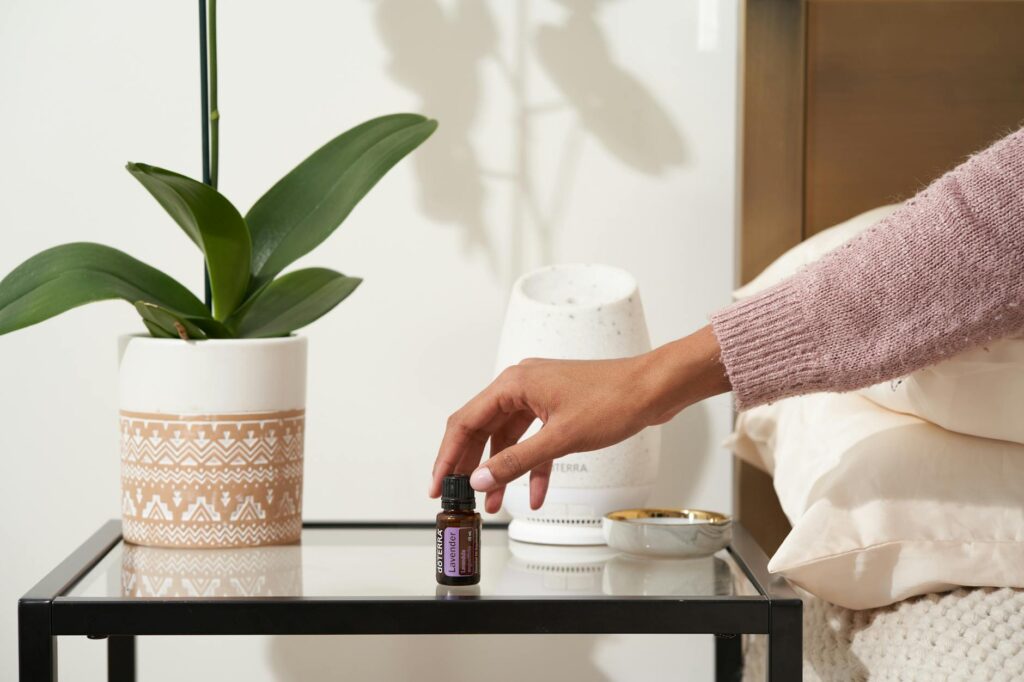
How Aromatherapy for Sleep Hygiene Blends Is Used in Aromatherapy
Introduction
In recent years, the ancient practice of aromatherapy has gained significant attention as a holistic approach to improving well-being, particularly in the realm of sleep hygiene. Sleep hygiene refers to the habits and practices that promote consistent, uninterrupted sleep, which is essential for overall health. Aromatherapy, the therapeutic use of essential oils, offers a natural and enjoyable way to enhance sleep quality. This article delves into the specifics of aromatherapy for sleep hygiene blends, exploring their benefits, common uses, applications, safety considerations, and frequently asked questions.
What Is Aromatherapy for Sleep Hygiene Blends?
Aromatherapy for sleep hygiene blends involves the use of specific essential oils that are known for their calming and sedative properties. These oils can be combined in various formulations to create blends that promote relaxation, reduce anxiety, and facilitate a restful night’s sleep. Commonly used essential oils in sleep hygiene blends include lavender, chamomile, bergamot, and cedarwood, among others. Each oil possesses unique properties that contribute to the overall effectiveness of the blend.
Key Benefits and Properties
1. Promotes Relaxation
Many essential oils used in sleep hygiene blends contain compounds that promote relaxation. For example, lavender essential oil is well-known for its ability to calm the nervous system and reduce anxiety.
2. Improves Sleep Quality
Research suggests that certain essential oils can enhance sleep quality by promoting deeper and more restorative sleep cycles. Oils such as cedarwood and vetiver have been found to help improve sleep architecture.
3. Reduces Stress and Anxiety
Essential oils like bergamot and chamomile can lower levels of cortisol, the stress hormone, thereby creating a tranquil environment conducive to sleep.
4. Enhances Mood
Aromatherapy not only helps with sleep but also uplifts mood. Citrus oils, such as sweet orange, can foster a sense of well-being and happiness, which is beneficial when preparing for sleep.
5. Natural and Non-Invasive
Unlike pharmaceutical alternatives, aromatherapy offers a natural and non-invasive approach to managing sleep difficulties, making it an appealing option for those seeking holistic remedies.
Common Uses
1. Diffusion
One of the most popular methods for using sleep hygiene blends is through diffusion. A diffuser disperses the aromatic molecules of essential oils into the air, creating a soothing environment. This method is particularly effective in bedrooms, helping to create a tranquil atmosphere conducive to sleep.
2. Topical Application
Blends can be applied topically, often diluted with a carrier oil, on pulse points such as the wrists, neck, or behind the ears. This method allows for the direct absorption of the oils into the skin, enhancing their effects.
3. Bath Soaks
Adding sleep hygiene blends to a warm bath can provide both physical and psychological relaxation. The warm water helps to open the pores, allowing for better absorption of the essential oils.
4. Sleep Masks and Pillows
Some individuals choose to create or purchase sleep masks infused with essential oils. Similarly, placing a few drops of sleep hygiene blend on a pillow or a cotton ball kept near the pillow can create a soothing scent that aids in sleep.
5. Room Sprays
Homemade sprays can be created using distilled water and sleep hygiene blends. Spraying this mixture in bedrooms or on linens can enhance the sleep environment.
Aromatherapy Applications
1. Blending Techniques
Creating effective sleep hygiene blends involves understanding the properties of different essential oils. When blending, consider the following:
- Base Notes: These oils have a grounding effect and provide longevity to the blend. Examples include cedarwood and sandalwood.
- Middle Notes: These oils create balance and harmony in the blend. Lavender and chamomile are common middle notes in sleep blends.
- Top Notes: These oils are often uplifting and can enhance the overall aroma. Citrus oils like bergamot or sweet orange serve this purpose.
- Relaxing Lavender Blend:
- 5 drops of lavender essential oil
- 3 drops of chamomile essential oil
- 2 drops of cedarwood essential oil
- Calm & Comfort Blend:
- 4 drops of bergamot essential oil
- 3 drops of ylang-ylang essential oil
- 4 drops of sweet orange essential oil
- Grounding Night Blend:
- 3 drops of vetiver essential oil
- 5 drops of frankincense essential oil
- 2 drops of marjoram essential oil
- Glass Containers: Use dark glass bottles, preferably amber or cobalt, to protect the oils from light.
- Tight Seals: Ensure that bottles are tightly sealed to prevent oxidation.
- Cool Temperatures: Store oils at room temperature or in a refrigerator to maintain their integrity.
2. Suggested Blends
Here are a few examples of sleep hygiene blends that can be easily made at home:
Safety Considerations
While aromatherapy is generally considered safe for most individuals, it is essential to take certain precautions:
1. Dilution
Essential oils are highly concentrated substances and should be diluted in a carrier oil, such as coconut or jojoba oil, before topical application to avoid skin irritation.
2. Allergies
Always conduct a patch test to check for any allergic reactions before using a new essential oil. If irritation occurs, discontinue use immediately.
3. Consultation
Individuals with health conditions, pregnant or nursing women, and children should consult with a healthcare professional or a certified aromatherapist before using essential oils.
4. Storage
Store essential oils in a cool, dark place, away from direct sunlight. This helps preserve their potency and extends their shelf life.
Storage and Shelf Life
Essential oils typically have a shelf life of one to three years, depending on the type of oil and how it is stored. Here are some key points for proper storage:
Frequently Asked Questions
1. Can aromatherapy for sleep hygiene blends be used every night?
Yes, many people use sleep hygiene blends nightly as part of their bedtime routine. However, it’s a good idea to change up the oils occasionally to prevent desensitization.
2. How long does it take for aromatherapy to work for sleep?
The effectiveness of aromatherapy can vary from person to person. Some individuals may feel the calming effects almost immediately, while others may require consistent use over several nights.
3. Can essential oils interact with medications?
Certain essential oils may interact with medications, particularly those that affect the central nervous system. It is advisable to consult with a healthcare professional if you are taking any medications.
4. Are there any essential oils that should be avoided during pregnancy?
Certain essential oils are not recommended during pregnancy, including but not limited to clary sage, rosemary, and jasmine. Always consult a healthcare professional for guidance.
5. Can children use sleep hygiene blends?
While some essential oils are safe for children, others are not. Always consult with a qualified aromatherapist or healthcare provider to determine which oils are appropriate for children.
Conclusion
Aromatherapy for sleep hygiene blends presents a natural and holistic approach to enhancing sleep quality and promoting relaxation. By understanding the properties of various essential oils and their applications, individuals can create personalized blends to suit their needs. As with any wellness practice, it is crucial to prioritize safety and consult with professionals when necessary. Embracing the calming effects of aromatherapy can lead to improved sleep hygiene and, ultimately, a better quality of life.