
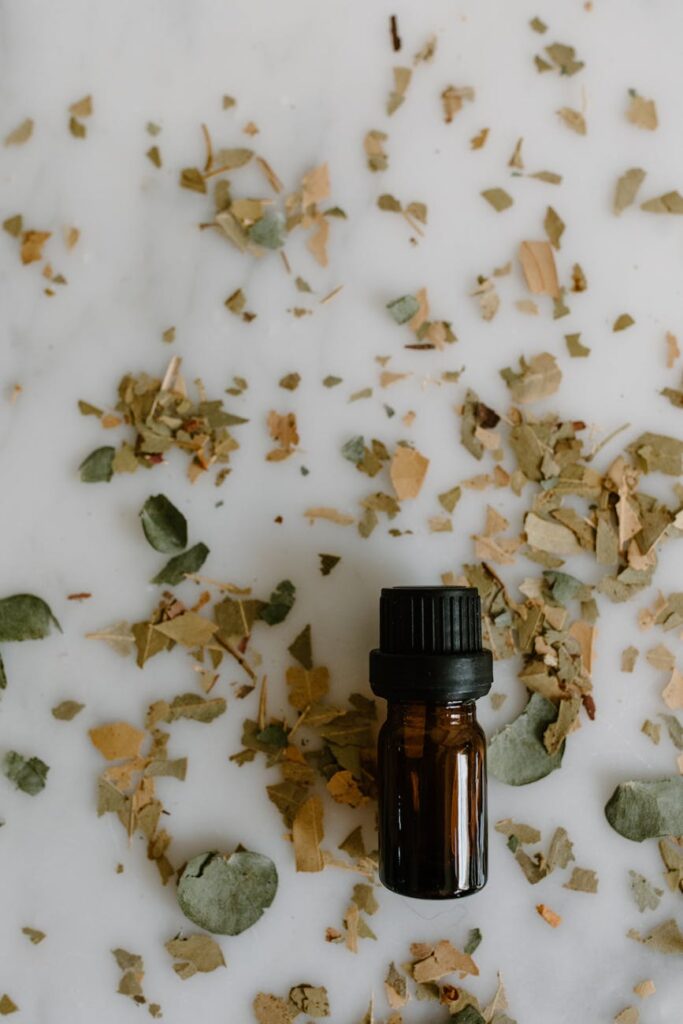
How Aromatherapy for Sleep Induction Blends Is Used in Aromatherapy
Introduction
Aromatherapy, the practice of using essential oils for therapeutic purposes, has gained significant popularity in recent years for its potential to promote relaxation and enhance overall well-being. Among its various applications, one of the most sought-after benefits is sleep induction. This article explores the concept of aromatherapy for sleep induction blends, highlighting their key benefits, common uses, and safety considerations.
What Is Aromatherapy for Sleep Induction Blends?
Aromatherapy for sleep induction blends involves the use of specific essential oils that are believed to facilitate relaxation and improve sleep quality. These blends often combine various oils known for their calming properties. The practice relies on the olfactory system, as inhaling aromatic compounds can influence emotions and physiological responses.
Common essential oils used in sleep induction blends include lavender, chamomile, bergamot, and sandalwood, among others. Each oil carries unique properties that can contribute to a sense of calm and tranquility, making them suitable for creating an environment conducive to sleep.
Key Benefits and Properties
The benefits of using aromatherapy for sleep induction are varied and can include:
1. Promotes Relaxation: Many essential oils possess sedative properties that can help reduce anxiety and promote a sense of calm, making it easier to fall asleep.
2. Enhances Sleep Quality: Some studies suggest that certain essential oils can improve the quality of sleep, leading to more restorative rest.
3. Reduces Stress and Anxiety: The soothing effects of certain aromas can help lower stress levels, which is often a barrier to achieving restful sleep.
4. Creates a Sleep-Inducing Environment: Aromatherapy can transform a space into a relaxing sanctuary, allowing individuals to unwind and prepare for sleep.
5. Supports Overall Well-Being: Improved sleep quality is linked to numerous health benefits, including better mood regulation, enhanced cognitive function, and a strengthened immune system.
Common Uses
Aromatherapy for sleep induction can be tailored to fit individual preferences and lifestyles. Common applications include:
- Diffusing: A popular method where essential oils are dispersed into the air using a diffuser. This method allows for even distribution of aromas throughout a room.
- Topical Application: Diluting essential oils with a carrier oil and applying them to the skin can provide localized benefits. Common areas for application include pulse points, such as wrists and behind the ears.
- Bath Soaks: Adding essential oils to bathwater can create a relaxing experience. The warm water helps to open the pores, allowing the oils to be absorbed into the skin.
- Sleep Masks or Pillows: Infusing sleep masks or pillows with essential oils can provide a continuous release of calming aromas throughout the night.
- Inhalation: Simply inhaling the scent from a bottle or placing a few drops on a cotton ball can be an effective way to experience the benefits of essential oils before bedtime.
- Lavender: Known for its calming and sedative effects, lavender is one of the most widely used oils for sleep. It may help reduce anxiety and promote relaxation.
- Chamomile: Often recognized for its soothing properties, chamomile can help alleviate restlessness and create a sense of tranquility.
- Bergamot: This citrus oil is known for its ability to reduce stress and anxiety levels, making it a great addition to sleep blends.
- Sandalwood: With its rich, woody aroma, sandalwood is often used to promote mental clarity and emotional balance, creating an ideal atmosphere for sleep.
- Frankincense: Revered for its grounding properties, frankincense can enhance meditation and relaxation, promoting deeper sleep.
- Keep Away from Light: Essential oils should be stored in dark glass bottles to protect them from sunlight, which can degrade their quality.
- Cool and Dry Place: Store oils in a cool, dry area away from heat sources to prevent oxidation.
- Seal Tightly: Ensure that bottles are tightly sealed to avoid evaporation and contamination.
- Shelf Life: While many essential oils have a long shelf life, they can vary. Generally, citrus oils may last around 1-2 years, while woody oils like sandalwood can last much longer. Always check for signs of spoilage, such as changes in aroma or consistency.
Aromatherapy Applications
When creating sleep induction blends, it is essential to understand the characteristics and properties of each essential oil used. Here are some popular essential oils and their contributions to sleep induction:
Creating a personalized sleep induction blend can be as simple as mixing a few drops of these essential oils with a carrier oil or water in a diffuser. It is advisable to start with small amounts, adjusting based on individual preferences and responses.
Safety Considerations
While aromatherapy is generally considered safe, it is essential to adhere to certain guidelines to ensure a positive experience:
1. Dilution: Essential oils are highly concentrated and should always be diluted with a carrier oil before topical application to prevent skin irritation.
2. Patch Test: Conduct a patch test on a small area of skin to check for allergic reactions or sensitivity before extensive use.
3. Quality of Oils: Choose high-quality, pure essential oils from reputable sources. Synthetic oils may not offer the same benefits and could contain harmful additives.
4. Pregnancy and Health Conditions: Pregnant individuals or those with certain health conditions should consult a healthcare professional before using essential oils.
5. Children and Pets: Some essential oils may not be safe for young children or pets. Research and consult reliable sources before use in these demographics.
Storage and Shelf Life
Proper storage of essential oils is crucial to maintain their efficacy and extend shelf life. Here are some guidelines:
Frequently Asked Questions
What is the best way to use essential oils for sleep?
The best method can vary from person to person. Diffusing essential oils in the bedroom, applying diluted oils to pulse points, or incorporating them into a bedtime bath are all effective options.
How many drops of essential oil should I use for sleep?
Typically, 3-5 drops of essential oil per 100 ml of water in a diffuser is a good starting point. When applying topically, 1-3 drops diluted in a carrier oil is often sufficient.
Can I mix different essential oils for sleep?
Yes, blending different essential oils can enhance their effectiveness. Experimenting with various combinations can help you discover what works best for you.
Are there any essential oils I should avoid for sleep?
Some essential oils, like rosemary or peppermint, are more stimulating and may not be conducive to a restful night’s sleep. It’s advisable to focus on those known for calming properties.
How long should I diffuse essential oils before sleep?
Diffusing for 30 minutes to an hour before bedtime can help create a relaxing atmosphere. You may also consider leaving the diffuser on throughout the night if it has a timer or automatic shut-off.
Conclusion
Aromatherapy for sleep induction blends offers a natural and holistic approach to enhancing relaxation and promoting restful sleep. By understanding the properties of various essential oils and employing safe practices, individuals can create personalized blends that suit their needs. With the right techniques, aromatherapy can transform bedtime into a peaceful ritual, fostering improved sleep quality and overall well-being.