
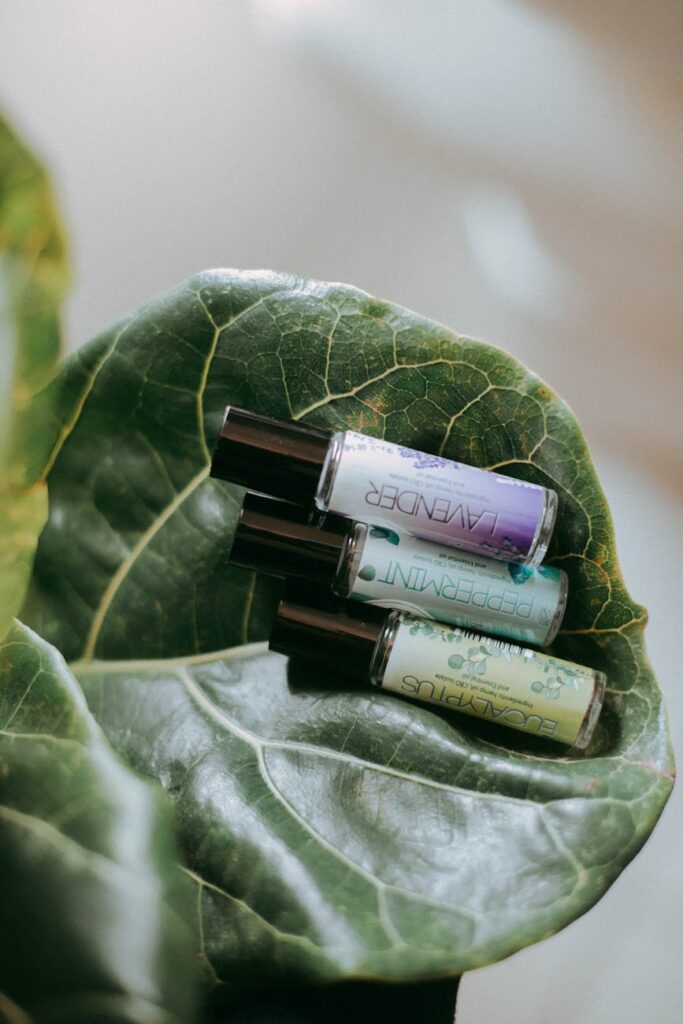
How Aromatherapy for Sleep Quality Enhancement Blends Is Used in Aromatherapy
Introduction
In today’s fast-paced world, sleep quality has become an essential aspect of overall health and well-being. Many individuals struggle with sleep disturbances, leading to a growing interest in natural remedies, including aromatherapy. This holistic practice utilizes the therapeutic properties of essential oils to promote relaxation and enhance sleep quality. This article explores aromatherapy for sleep quality enhancement blends, delving into their benefits, applications, and safety considerations.
What Is Aromatherapy for Sleep Quality Enhancement Blends?
Aromatherapy is a complementary therapy that employs essential oils extracted from plants to promote physical, emotional, and mental well-being. Sleep quality enhancement blends consist of specific combinations of essential oils known for their calming and sedative properties. These blends aim to create an environment conducive to relaxation and restful sleep. Common essential oils used in sleep blends include lavender, chamomile, bergamot, and cedarwood, each contributing unique qualities to the blend.
Key Benefits and Properties
Aromatherapy for sleep quality enhancement offers a multitude of benefits. Here are some of the key properties of common essential oils used in sleep blends:
1. Lavender: Widely recognized for its soothing scent, lavender essential oil is known to reduce anxiety and promote relaxation. Studies suggest that lavender can enhance sleep quality and increase the duration of deep sleep.
2. Chamomile: Often consumed as a tea, chamomile essential oil possesses calming properties that may help alleviate insomnia and promote a sense of tranquility.
3. Bergamot: This citrus oil not only uplifts the mood but also has anxiolytic properties, making it effective in reducing stress and anxiety, which can interfere with sleep.
4. Cedarwood: Known for its grounding aroma, cedarwood essential oil can help create a serene atmosphere, aiding in relaxation and promoting a deeper sleep.
5. Frankincense: This oil is valued for its ability to calm the mind and encourage emotional balance, making it a popular choice in sleep blends.
These essential oils work synergistically in blends to create a holistic approach to enhancing sleep quality.
Common Uses
Aromatherapy for sleep quality enhancement can be integrated into various routines and practices. Here are some common uses:
1. Diffusion: One of the most popular methods, using an essential oil diffuser to disperse the aroma throughout a room can create a calming environment conducive to sleep.
2. Topical Application: Blending essential oils with a carrier oil allows for safe topical application. Massaging this blend onto pulse points or the soles of the feet before bedtime can help induce relaxation.
3. Bath Soaks: Adding a few drops of sleep-enhancing essential oils to a warm bath can transform the bathing experience into a soothing ritual, perfect for unwinding before sleep.
4. Sleep Pillows or Sachets: Infusing sleep pillows or sachets with sleep blends can offer a gentle aroma throughout the night, promoting a restful atmosphere.
5. Inhalation: Inhaling essential oils directly from the bottle or using a personal inhaler can provide immediate calming effects, ideal for those experiencing acute stress or restlessness.
Aromatherapy Applications
The application of aromatherapy for sleep quality enhancement can be customized to fit individual preferences and lifestyles. Here are some effective methods:
- Bedtime Routine: Incorporating aromatherapy into a nightly routine can signal the body that it is time to wind down. This may include diffusing essential oils in the bedroom, taking a warm bath infused with oils, or practicing deep breathing exercises with the chosen scents.
- Meditation and Relaxation Practices: Combining essential oil inhalation with meditation, yoga, or other relaxation techniques can deepen the overall experience, promoting a tranquil state of mind.
- Creating a Sleep-Inducing Environment: Beyond just scent, creating a calming bedroom environment with dim lighting, comfortable bedding, and a clutter-free space can enhance the effectiveness of aromatherapy blends.
- Personalized Blends: Individuals can experiment with different combinations of essential oils to create personalized sleep blends that resonate with their unique preferences and needs.
- Dark Glass Containers: Store essential oils in dark glass bottles to protect them from light degradation. Amber or cobalt blue bottles are ideal.
- Cool, Dry Place: Keep essential oils in a cool, dry environment, away from direct sunlight and heat sources. Excessive heat can alter the chemical composition of the oils.
- Shelf Life: While essential oils do not spoil in the traditional sense, they can lose potency over time. Most essential oils have a shelf life of 1–3 years, depending on the type. Citrus oils tend to have a shorter shelf life compared to heavier oils like sandalwood or patchouli.
Safety Considerations
While aromatherapy is generally considered safe when used appropriately, some precautions should be observed:
1. Dilution: Essential oils should be diluted with a carrier oil before topical application to prevent skin irritation. A common dilution ratio is 2–3 drops of essential oil per teaspoon of carrier oil.
2. Quality of Essential Oils: Ensure that the essential oils used are of high quality, ideally organic and free from synthetic additives. This is crucial for maximizing the therapeutic benefits.
3. Pregnancy and Nursing: Pregnant or nursing individuals should consult with a qualified professional before using essential oils, as some oils may not be safe during these periods.
4. Allergies and Sensitivities: Conduct a patch test before applying any essential oil to the skin, especially for individuals with allergies or sensitive skin.
5. Children and Pets: Some essential oils may not be suitable for children or pets. Research and consult appropriate resources to ensure safety.
Storage and Shelf Life
Proper storage is essential to maintain the efficacy of essential oils. Here are some guidelines:
Frequently Asked Questions
1. Can aromatherapy help with insomnia?
Aromatherapy is commonly used to promote relaxation and improve sleep quality. While it may not directly cure insomnia, many individuals find that specific essential oils can help reduce anxiety and create a calming environment conducive to sleep.
2. How do I choose the right essential oils for my sleep blend?
Choosing essential oils for a sleep blend often depends on personal preference. However, oils known for their calming properties, such as lavender, chamomile, and bergamot, are popular choices. Experimenting with different combinations can help you discover what works best for you.
3. How long does the scent of essential oils last in a room?
The duration of the scent will depend on factors such as the method of diffusion, the type of essential oil used, and the size of the room. Generally, a well-maintained diffuser can disperse the aroma for several hours.
4. Can I use essential oils in a humidifier?
It is essential to check the manufacturer’s guidelines for your humidifier. Some humidifiers are not designed to handle essential oils and may be damaged by their use. Consider using a diffuser specifically designed for essential oils.
5. What if I don’t like the scent of certain essential oils?
Aromatherapy is highly personal, and preferences for scents can vary widely. If you find certain oils unappealing, consider blending them with more pleasant scents or exploring other essential oils that you enjoy.
Conclusion
Aromatherapy for sleep quality enhancement blends offers a natural and holistic approach to improving sleep and promoting relaxation. By understanding the benefits and applications of various essential oils, individuals can create personalized routines that cater to their unique needs. While aromatherapy is not a substitute for professional medical advice, it can serve as a valuable complement to overall wellness practices. With proper care and consideration, aromatherapy can be an effective tool in the pursuit of restful sleep and enhanced quality of life.