
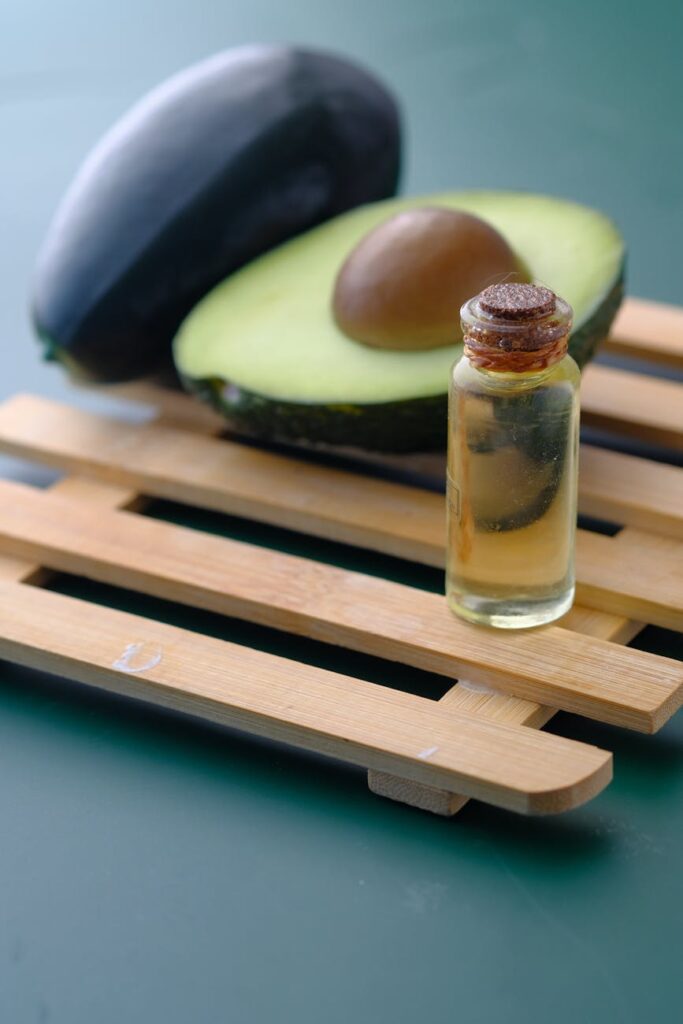
How Avocado Oil Is Used in Aromatherapy
Introduction
Aromatherapy, a holistic healing practice that utilizes the aromatic properties of essential oils, has gained popularity for its potential to enhance well-being. Among the various carrier oils used in this practice, avocado oil stands out due to its unique properties and benefits. In this article, we will explore what avocado oil is, its key benefits and properties, common uses, its applications in aromatherapy, safety considerations, storage tips, and address frequently asked questions.
What Is Avocado Oil?
Avocado oil is extracted from the fruit of the Persea americana tree, commonly known as the avocado tree. Native to Central Mexico, this tree has been cultivated for thousands of years. The oil is derived through cold pressing the flesh of ripe avocados, resulting in a rich, green oil that is both nutritious and versatile.
Unlike many other oils, avocado oil is high in monounsaturated fats and contains various vitamins, such as vitamin E, vitamin D, and several B vitamins. It has a relatively high smoke point, making it suitable for cooking, but its applications extend far beyond the kitchen. In the realm of aromatherapy, avocado oil serves as an effective carrier oil due to its unique composition.
Key Benefits and Properties
Avocado oil possesses a range of beneficial properties that make it ideal for use in aromatherapy. Some of the key benefits include:
1. Moisturizing: Avocado oil is renowned for its ability to deeply moisturize the skin. Its high fat content allows it to penetrate the skin effectively, making it an excellent choice for dry or sensitive skin.
2. Nutrient-Rich: Packed with vitamins and fatty acids, avocado oil nourishes the skin and promotes a healthy complexion. The presence of oleic acid can help to enhance skin elasticity.
3. Anti-Inflammatory Properties: Some studies suggest that avocado oil may have anti-inflammatory effects, which can be beneficial for soothing irritated skin or muscle tension.
4. Antioxidant Effects: The antioxidants present in avocado oil, such as vitamins E and C, may help protect cells from oxidative stress, contributing to overall skin health.
5. Versatile Carrier Oil: Its rich texture and mild scent make avocado oil a suitable carrier for diluting essential oils, allowing for effective application during aromatherapy sessions.
Common Uses
Avocado oil is not only revered in the field of aromatherapy but is also widely used in various other applications:
1. Skincare: Due to its moisturizing and nourishing properties, avocado oil is commonly used in lotions, creams, and serums.
2. Haircare: Its ability to penetrate hair follicles makes it beneficial for dry or damaged hair, often used in hair masks or as a leave-in conditioner.
3. Culinary Applications: Avocado oil can be used for cooking, salad dressings, and marinades, adding a rich flavor and healthy fats to dishes.
4. Massage Oil: Its smooth texture makes it a popular choice for massage oils, providing hydration while allowing the hands to glide over the skin.
Aromatherapy Applications
In aromatherapy, avocado oil is primarily used as a carrier oil to dilute essential oils before topical application. This process ensures that essential oils, which are highly concentrated and potent, can be safely applied to the skin. Here are some common applications of avocado oil in aromatherapy:
1. Blending with Essential Oils: Due to its neutral scent and rich consistency, avocado oil is often blended with various essential oils. Common combinations include lavender for relaxation, eucalyptus for respiratory support, and tea tree oil for its antimicrobial properties.
2. Massage Therapy: Avocado oil is frequently used in massage therapy, where it can enhance the therapeutic effects of essential oils while providing hydration to the skin.
3. Skin Treatments: When combined with essential oils known for their skin benefits, such as rose or frankincense, avocado oil can enhance the efficacy of topical treatments for conditions like dryness or irritation.
4. Bath Additive: A small amount of avocado oil can be added to bathwater, where it can nourish the skin and create a soothing experience when combined with essential oils like chamomile or ylang-ylang.
5. Facial Oils: Avocado oil can be incorporated into facial oil blends, often paired with essential oils like geranium or neroli, to promote healthy skin and a glowing complexion.
Safety Considerations
While avocado oil is generally regarded as safe for topical use, there are several safety considerations to keep in mind:
1. Allergic Reactions: Individuals with allergies to avocados should avoid using avocado oil, as it may trigger allergic reactions.
2. Patch Test: It is advisable to conduct a patch test before using avocado oil or any essential oil blend on a larger skin area. Apply a small amount to an inconspicuous area and observe for any adverse reactions over 24 hours.
3. Dilution: Essential oils should always be diluted in a carrier oil like avocado oil before application to the skin. A typical ratio is 2-3 drops of essential oil per teaspoon of carrier oil.
4. Consultation: If you are pregnant, nursing, or have existing health conditions, consider consulting with a qualified aromatherapist or healthcare professional before using essential oils or new carrier oils.
Storage and Shelf Life
Proper storage is essential to maintain the quality and shelf life of avocado oil. Here are some tips:
1. Cool, Dark Place: Store avocado oil in a cool, dark place to prevent oxidation and prolong its shelf life. Exposure to light and heat can lead to rancidity.
2. Airtight Container: Use an airtight container, preferably a dark glass bottle, to protect the oil from light exposure.
3. Shelf Life: Avocado oil typically has a shelf life of about six months to one year, depending on storage conditions. Always check for signs of rancidity, such as a change in color or odor, before use.
Frequently Asked Questions
1. Can avocado oil be used on all skin types?
Avocado oil is generally suitable for most skin types due to its moisturizing properties. However, individuals with oily or acne-prone skin may wish to use it sparingly or perform a patch test first.
2. Is avocado oil safe for pregnant women?
While avocado oil is generally considered safe for topical use, pregnant women should consult with a healthcare provider or aromatherapist before using any new oils or essential oils.
3. Can avocado oil be ingested?
Avocado oil is commonly used in culinary applications and is safe to ingest. However, it is important to ensure that the oil is food-grade and not solely intended for topical use.
4. How does avocado oil compare to other carrier oils?
Avocado oil is thicker and richer than many other carrier oils, such as almond or jojoba oil. Its high nutrient content makes it particularly beneficial for dry or mature skin.
5. Can avocado oil be used in diffusers?
Avocado oil is not typically used in diffusers. It is primarily a carrier oil for topical applications. Essential oils are the ones used for diffusion.
Conclusion
Avocado oil is a versatile and nutrient-rich carrier oil that holds a prominent place in the world of aromatherapy. Its moisturizing properties, rich nutrient profile, and compatibility with various essential oils make it an excellent choice for enhancing wellness and promoting skin health. By understanding its benefits and applications, individuals can effectively incorporate avocado oil into their aromatherapy practices, contributing to a holistic approach to well-being. Always remember to consider safety precautions and storage recommendations to ensure the best results.