
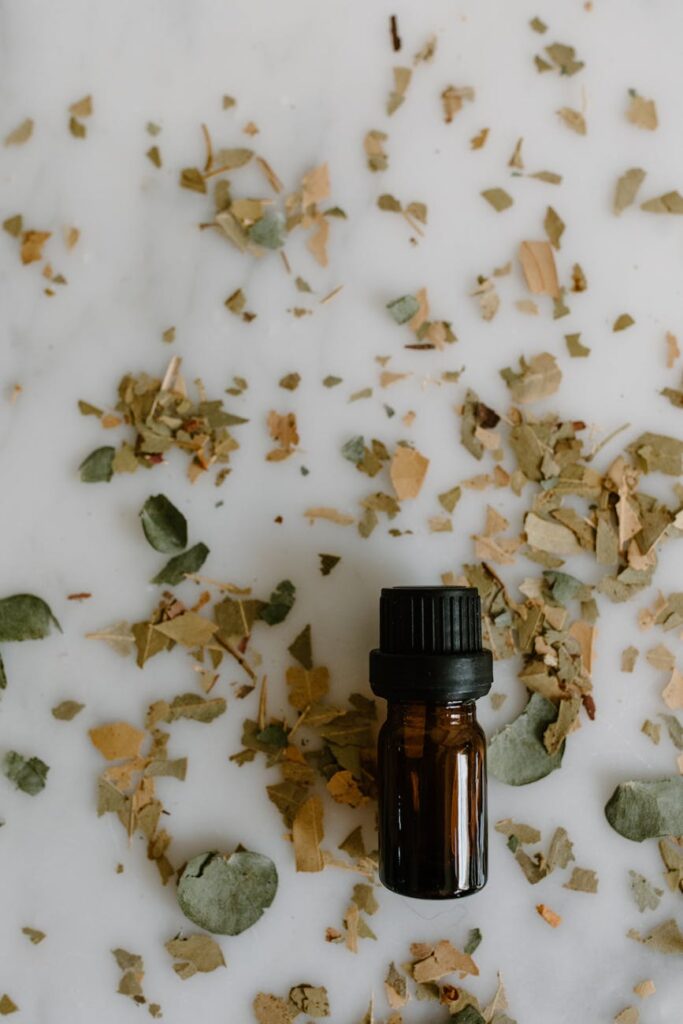
How Baobab Oil Is Used in Aromatherapy
Introduction
Aromatherapy, an ancient practice that harnesses the benefits of essential oils and plant extracts, has gained popularity in recent years for its therapeutic properties. Among the many oils utilized in this holistic approach, baobab oil stands out due to its unique composition and nourishing qualities. Extracted from the seeds of the baobab tree, this oil has become a favorite in the realms of skincare, wellness, and relaxation. This article will delve into the characteristics of baobab oil, its benefits, common applications, and its role in aromatherapy.
What Is Baobab Oil?
Baobab oil is derived from the seeds of the baobab tree (Adansonia digitata), which is native to Africa, particularly in regions such as Madagascar, mainland Africa, and Australia. The baobab tree is often referred to as the “Tree of Life” due to its longevity and the multitude of uses its parts provide. The oil is cold-pressed from the seeds, resulting in a light, pale oil that is rich in essential fatty acids, vitamins, and antioxidants.
The unique nutrient profile of baobab oil includes omega-3, omega-6, and omega-9 fatty acids, along with vitamins A, D, E, and F. These components contribute to the oil’s reputation as an exceptional moisturizer and emollient, making it a valuable addition to skincare and wellness practices.
Key Benefits and Properties
Baobab oil is celebrated for its numerous beneficial properties:
1. Moisturizing: The oil’s high fatty acid content allows it to deeply penetrate the skin, providing hydration and improving skin elasticity.
2. Antioxidant-Rich: Baobab oil contains powerful antioxidants that help combat oxidative stress, promoting healthier skin and hair.
3. Anti-Inflammatory: The oil has anti-inflammatory properties that can soothe irritated skin and reduce redness.
4. Antimicrobial: Baobab oil may help in reducing the growth of certain bacteria and fungi, making it beneficial for skin health.
5. Nourishing: It contains vitamins and minerals that nourish the skin and hair, promoting overall health and vitality.
These properties make baobab oil a versatile ingredient in both skincare formulations and aromatherapy practices.
Common Uses
In addition to its application in aromatherapy, baobab oil is widely used in various domains:
- Skincare: Due to its hydrating and nourishing properties, baobab oil is used in lotions, creams, and serums. It is especially popular for dry or sensitive skin.
- Haircare: The oil can be found in shampoos and conditioners, as it helps promote shinier, healthier hair, reducing frizz and split ends.
- Massage: Baobab oil serves as an excellent carrier oil for massage blends, enhancing the overall experience with its soothing properties.
- Cosmetics: The oil is often included in makeup products for its moisturizing benefits and light texture.
- Lavender: For relaxation and stress relief.
- Tea Tree: For its antimicrobial properties.
- Citrus Oils: Such as lemon or orange for uplifting moods.
- Patch Test: Before applying baobab oil or any blend containing it, conduct a patch test on a small area of skin to check for any adverse reactions.
- Consultation: Individuals with known allergies or skin sensitivities should consult with a healthcare professional or aromatherapist before use.
- Avoid Ingestion: Baobab oil is intended for external use only. Ingesting essential oils or carrier oils should be avoided unless under the guidance of a qualified professional.
- Pregnancy and Nursing: Pregnant or nursing women should seek advice from a healthcare provider before using essential oils or carrier oils.
- Cool, Dark Place: Store the oil in a cool, dark location to prevent oxidation and degradation.
- Tightly Sealed Containers: Use airtight containers to minimize exposure to air, which can affect the oil’s properties.
- Shelf Life: Baobab oil typically has a shelf life of 1 to 2 years when stored properly. Always check for any changes in color, scent, or texture before use.
Aromatherapy Applications
In aromatherapy, baobab oil is primarily used as a carrier oil due to its light consistency and skin-friendly attributes. Here are some applications and methods of use:
1. Dilution for Essential Oils
Baobab oil is an ideal carrier oil for diluting essential oils before topical application. Its light texture allows for easy absorption while providing additional moisturizing benefits. Common essential oils to blend with baobab oil include:
2. Massage Oils
When combined with essential oils, baobab oil can be used for therapeutic massage. The smooth glide of this oil makes it perfect for various massage techniques, promoting relaxation and muscle relief.
3. Skin Care Blends
Baobab oil can be incorporated into facial oils or body lotions, enhancing their hydrating effects. Its non-comedogenic nature ensures that it does not clog pores, making it suitable for all skin types.
4. Inhalation
While baobab oil itself does not have a strong aroma, it can be added to a diffuser along with essential oils to create a soothing environment. The calming effects of essential oils can be complemented by the nourishing properties of baobab oil when applied topically.
5. Bath Soaks
Adding baobab oil to bathwater can create a luxurious and moisturizing experience. Combined with essential oils like eucalyptus or chamomile, it can enhance relaxation and rejuvenation.
Safety Considerations
While baobab oil is generally considered safe for use, a few precautions should be taken:
Storage and Shelf Life
To maintain the quality of baobab oil, proper storage is essential:
Frequently Asked Questions
1. Can baobab oil be used on all skin types?
Yes, baobab oil is suitable for all skin types, including sensitive and acne-prone skin, due to its non-comedogenic and hydrating properties.
2. What essential oils blend well with baobab oil?
Baobab oil pairs well with a variety of essential oils, including lavender, tea tree, citrus oils, and eucalyptus, enhancing their therapeutic effects.
3. Is baobab oil safe for children?
While baobab oil is generally safe, it is advisable to consult with a healthcare professional before using it on children, especially in combination with essential oils.
4. How can I incorporate baobab oil into my daily routine?
Baobab oil can be used as a moisturizer, added to bath water, or included in massage blends. It can also be mixed with essential oils for a customized aromatic experience.
5. Does baobab oil have a strong scent?
Baobab oil has a very mild and nutty scent, making it an excellent carrier oil that allows the aroma of essential oils to shine through.
Conclusion
Baobab oil is a remarkable oil that offers a wealth of benefits in the realm of aromatherapy and beyond. Its rich nutrient profile, combined with its versatility in applications, makes it a valuable asset for anyone seeking to enhance their wellness routine. While exploring the world of aromatherapy, consider incorporating baobab oil into your practices for a nourishing and soothing experience. Always remember to approach the use of essential oils and carrier oils with mindfulness and care, ensuring a safe and enjoyable journey into the aromatic world.