
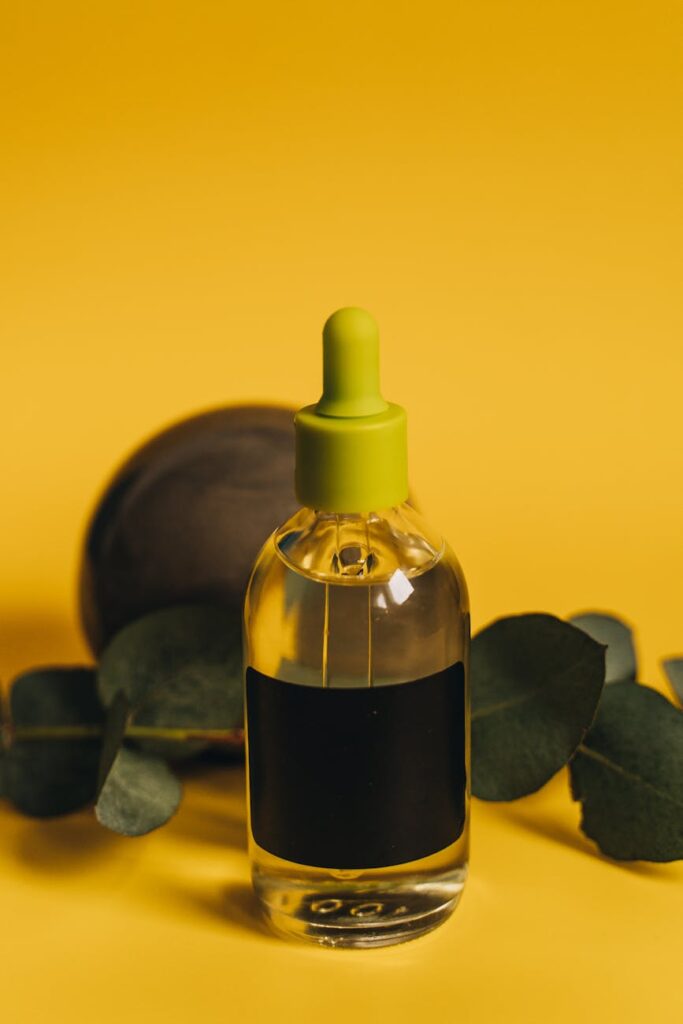
How Cacay Oil Is Used in Aromatherapy
Introduction
Aromatherapy has gained significant traction as a holistic approach to wellness, employing essential oils derived from various plants for therapeutic benefits. Among these oils, cacay oil has emerged as a noteworthy ingredient, lauded for its unique properties and versatility. This article explores cacay oil, its benefits, common uses, and its applications in aromatherapy.
What Is Cacay Oil?
Cacay oil is extracted from the nuts of the Cacay tree (Caryodendron orinocense), native to the Amazon rainforest. This tree thrives in the tropical climate and is particularly abundant in Colombia. The oil is obtained through a cold-pressing method, preserving its delicate composition and essential nutrients. Cacay oil contains a rich profile of fatty acids, antioxidants, and vitamins, particularly Vitamin E, which contributes to its popularity in the beauty and wellness industries.
Key Benefits and Properties
Cacay oil is distinguished by its impressive composition:
1. High Linoleic Acid Content: This essential fatty acid is known for its skin-nourishing properties, promoting hydration and elasticity.
2. Rich in Antioxidants: Cacay oil contains a high concentration of antioxidants, including tocopherols and carotenoids, which help combat oxidative stress and environmental damage.
3. Vitamin E and A: These vitamins are essential for skin health. Vitamin E is known for its moisturizing properties, while Vitamin A supports skin regeneration and repair.
4. Anti-inflammatory Properties: Cacay oil may help soothe irritated skin, reducing redness and inflammation.
Due to these properties, cacay oil is often considered beneficial for skin rejuvenation, moisture retention, and overall skin health.
Common Uses
Cacay oil has various applications, particularly in skincare formulations. Some common uses include:
- Facial Oils and Serums: Due to its lightweight texture, cacay oil is an excellent choice for facial oils and serums, providing hydration without clogging pores.
- Moisturizers: Many skincare products incorporate cacay oil for its emollient properties, helping to lock in moisture and improve skin texture.
- Hair Care Products: Cacay oil can be found in shampoos, conditioners, and hair masks, promoting shine and hydration to dry or damaged hair.
- Massage Oils: Its pleasant aroma and skin-nourishing qualities make cacay oil an appealing ingredient in massage oils.
- Patch Test: It is advisable to perform a patch test before using cacay oil on larger skin areas. Apply a small amount to a discreet area and observe for any adverse reactions over 24 hours.
- Dilution: Always dilute cacay oil with a suitable carrier oil when applying it topically. This practice can minimize the risk of skin irritation.
- Consultation: Individuals with sensitive skin or allergies should consult a qualified aromatherapist or dermatologist before incorporating cacay oil into their regimen.
- Not for Ingestion: Cacay oil is intended for external use only and should not be ingested.
- Cool, Dark Place: Store cacay oil in a cool, dark area to protect it from heat and light, which can degrade the oil over time.
- Sealed Container: Keep the oil in a tightly sealed container to prevent oxidation and contamination.
- Shelf Life: When stored correctly, cacay oil can last up to 12-18 months. However, it is advisable to check for any changes in color, smell, or consistency before use.
Aromatherapy Applications
In the context of aromatherapy, cacay oil can be used in several ways to enhance well-being:
Diffusion
Cacay oil can be used in an essential oil diffuser, where it can release its subtle, nutty aroma into the air. This method can help create a calming atmosphere and provide a sense of grounding. While cacay oil is not typically used as a primary scent in diffusion, its use in synergy with other essential oils can enhance overall effects.
Topical Application
When diluted with a carrier oil, cacay oil can be applied topically to the skin. This method allows users to enjoy the benefits of cacay oil directly. For instance, incorporating it into a massage blend can nourish the skin while providing a soothing experience.
Bathing
Adding a few drops of cacay oil to bathwater can transform a routine bath into a luxurious experience. The oil can help hydrate the skin while its aroma promotes relaxation.
Skin Care Rituals
Incorporating cacay oil into daily skincare routines can enhance the overall experience. Users may apply it as part of their morning or evening rituals, using it after cleansing to lock in moisture and provide essential nutrients.
Blending with Other Essential Oils
Cacay oil pairs well with various essential oils, such as lavender, frankincense, or geranium. These combinations can enhance the therapeutic properties and create unique aromatic profiles, allowing for customized blends that cater to individual preferences and needs.
Safety Considerations
While cacay oil is generally considered safe for topical use, there are essential safety considerations:
Storage and Shelf Life
To maintain the quality and efficacy of cacay oil, proper storage is crucial:
Frequently Asked Questions
1. Is cacay oil suitable for all skin types?
Cacay oil is generally well-tolerated and can benefit various skin types. Its lightweight texture makes it suitable for oily, dry, and combination skin. However, individual reactions may vary, so a patch test is recommended.
2. Can cacay oil be used by pregnant or breastfeeding women?
While cacay oil is deemed safe for topical application, pregnant or breastfeeding women should consult their healthcare provider before using any new product.
3. How does cacay oil compare to other oils like argan or jojoba?
Cacay oil is often compared to argan and jojoba oils due to its nourishing properties. However, cacay oil has a higher concentration of Vitamin E and essential fatty acids, making it particularly effective for hydration and skin health.
4. Can cacay oil help with acne?
Cacay oil is non-comedogenic, meaning it is unlikely to clog pores. Its anti-inflammatory properties may help soothe irritated skin, making it a potential ally for those prone to acne. However, individual results may vary.
5. Is cacay oil environmentally sustainable?
Cacay oil is often praised for its sustainability, as the Cacay tree grows in its natural habitat without the need for pesticides or fertilizers. However, it is essential to source it from reputable suppliers who prioritize ethical harvesting practices.
Conclusion
Cacay oil has established itself as a valuable player in the world of aromatherapy and natural skincare. With its rich composition of essential fatty acids, antioxidants, and vitamins, it offers numerous benefits that cater to a variety of needs. Whether used in diffusion, topical applications, or as part of a skincare routine, cacay oil is a versatile and nourishing oil that can enhance overall well-being. As with any natural product, understanding its properties and proper usage can maximize its potential and ensure a safe and enjoyable experience.