
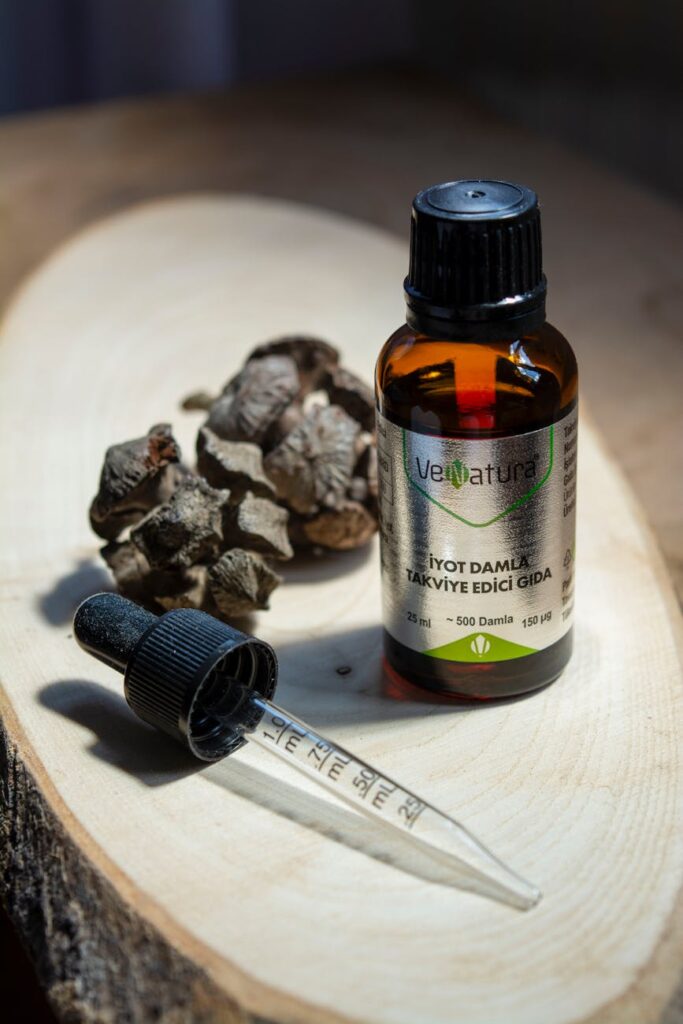
How Camellia Oil Is Used in Aromatherapy
Introduction
Aromatherapy, a holistic practice that utilizes the fragrant properties of essential oils, has gained popularity for its potential to enhance well-being and promote relaxation. Among the various oils used in this practice, camellia oil stands out due to its unique properties and versatile applications. This article delves into the characteristics of camellia oil, its benefits, common uses, and how it can be integrated into aromatherapy.
What Is Camellia Oil?
Camellia oil is derived from the seeds of the Camellia plant, which belongs to the Theaceae family. The most commonly used species for oil extraction is Camellia oleifera, although Camellia sinensis (the tea plant) is also a notable source. The oil is extracted through cold-pressing, which preserves its beneficial properties and rich composition. Camellia oil is often characterized by its light texture, mild aroma, and golden hue.
The oil is predominantly composed of oleic acid, a monounsaturated fatty acid that is known for its moisturizing and nourishing properties. It also contains essential vitamins, antioxidants, and phytosterols, making it a valuable addition to various applications, including skincare and haircare.
Key Benefits and Properties
Camellia oil is celebrated for its numerous benefits, which can enhance both physical and emotional well-being. Some of the key properties include:
1. Moisturizing: Its high oleic acid content allows camellia oil to penetrate deeply into the skin, providing lasting hydration without leaving a greasy residue.
2. Antioxidant: Rich in antioxidants, camellia oil helps combat oxidative stress, which can lead to premature aging and various skin conditions.
3. Anti-inflammatory: The oil’s anti-inflammatory properties can help soothe irritated skin and reduce redness.
4. Nourishing: Camellia oil is packed with vitamins A, B, and E, which are essential for maintaining healthy skin and hair.
5. Balancing: The oil is known to help balance sebum production, making it suitable for both dry and oily skin types.
6. Calming: Its mild aroma promotes relaxation and can help alleviate feelings of stress and anxiety.
Common Uses
Camellia oil is versatile and can be used in a variety of ways, making it a popular choice among enthusiasts of both aromatherapy and natural skincare. Some common uses include:
Skincare
- Moisturizer: Used alone or as an ingredient in lotions and creams, camellia oil provides hydration and nourishment.
- Makeup Remover: Its gentle properties make it an effective makeup remover, dissolving makeup without harsh chemicals.
- Anti-Aging: Due to its antioxidant content, it is often included in anti-aging formulations to help reduce the appearance of fine lines and wrinkles.
- Conditioner: Camellia oil can be applied to hair as a conditioning treatment, improving shine and manageability.
- Scalp Treatment: It can be used to nourish the scalp, helping to alleviate dryness and flakiness.
Haircare
Culinary Uses
Camellia oil, especially from Camellia oleifera, is also used in cooking, particularly in Asian cuisine, where it is valued for its light flavor and health benefits.
Aromatherapy Applications
In the realm of aromatherapy, camellia oil can be utilized in several ways:
Diffusion
By adding a few drops of camellia oil to a diffuser, you can fill your space with its subtle aroma, promoting a tranquil atmosphere. This method is particularly beneficial for creating a calming environment for meditation or relaxation.
Massage
When blended with a carrier oil, camellia oil can be used in massage therapy. Its lightweight texture allows for easy application and absorption, making it ideal for both therapeutic and relaxation-focused massages.
Bathing
Adding a few drops of camellia oil to bath water can enhance the bathing experience, providing both moisturizing benefits and a pleasant aroma. The warmth of the water helps to release the oil’s properties, promoting relaxation and skin nourishment.
Inhalation
For a more direct approach, inhaling the aroma of camellia oil can be achieved by placing a few drops on a tissue or cotton ball. This method may help to reduce feelings of stress and promote a sense of calm.
Safety Considerations
While camellia oil is generally regarded as safe for most individuals, it is essential to consider safety measures when using it in aromatherapy:
1. Dilution: Always dilute camellia oil with a carrier oil before applying it to the skin to prevent irritation.
2. Patch Test: Conduct a patch test on a small area of skin to check for any adverse reactions before widespread use.
3. Pregnancy and Allergies: Pregnant individuals and those with known allergies should consult with a healthcare provider before using any essential oils.
4. Storage: Store camellia oil in a cool, dark place to maintain its integrity and potency.
Storage and Shelf Life
Proper storage is crucial for preserving the quality of camellia oil. It is best kept in a dark glass bottle to protect it from light and heat. Ideally, camellia oil should be stored in a cool, dry place away from direct sunlight.
The shelf life of camellia oil typically ranges from 1 to 2 years, depending on storage conditions. Regularly check for any changes in color, smell, or consistency, as these may indicate that the oil has gone rancid.
Frequently Asked Questions
1. Can camellia oil be ingested?
While camellia oil is used in cooking, especially from Camellia oleifera, it is essential to ensure that the oil is food-grade if consumed.
2. Is camellia oil suitable for all skin types?
Camellia oil is generally suitable for all skin types due to its lightweight and non-comedogenic properties. However, individuals with specific skin sensitivities should perform a patch test.
3. How can I incorporate camellia oil into my skincare routine?
You can use camellia oil as a moisturizer, add it to your favorite creams or lotions, or apply it directly to the skin after cleansing.
4. Can camellia oil help with hair damage?
Yes, camellia oil can help improve hair health by providing moisture, reducing frizz, and enhancing shine. It can be applied as a leave-in conditioner or treatment.
5. Are there any known side effects of camellia oil?
Camellia oil is generally safe; however, some individuals may experience allergic reactions. A patch test is recommended before use.
Conclusion
Camellia oil is a versatile and beneficial oil that can enhance various aspects of well-being, particularly in the realm of aromatherapy. With its numerous properties and applications, it serves as an excellent addition to both skincare and holistic practices. As with all essential oils, understanding its uses, benefits, and safety considerations will allow individuals to make informed decisions in their aromatherapy journey.