
How Cardamom Oil Is Used in Aromatherapy
Introduction
Aromatherapy, a holistic healing practice that utilizes essential oils to enhance physical and emotional well-being, has gained popularity worldwide. Among the various essential oils used in this practice, cardamom oil stands out due to its unique aromatic profile and therapeutic properties. This article delves into the origins, benefits, applications, and safety considerations associated with cardamom oil in aromatherapy.
What Is Cardamom Oil?
Cardamom oil is derived from the seeds of the cardamom plant, primarily from the species Elettaria cardamomum and Amomum subulatum. These plants are native to the Indian subcontinent and parts of Southeast Asia but are now cultivated in various regions around the world.
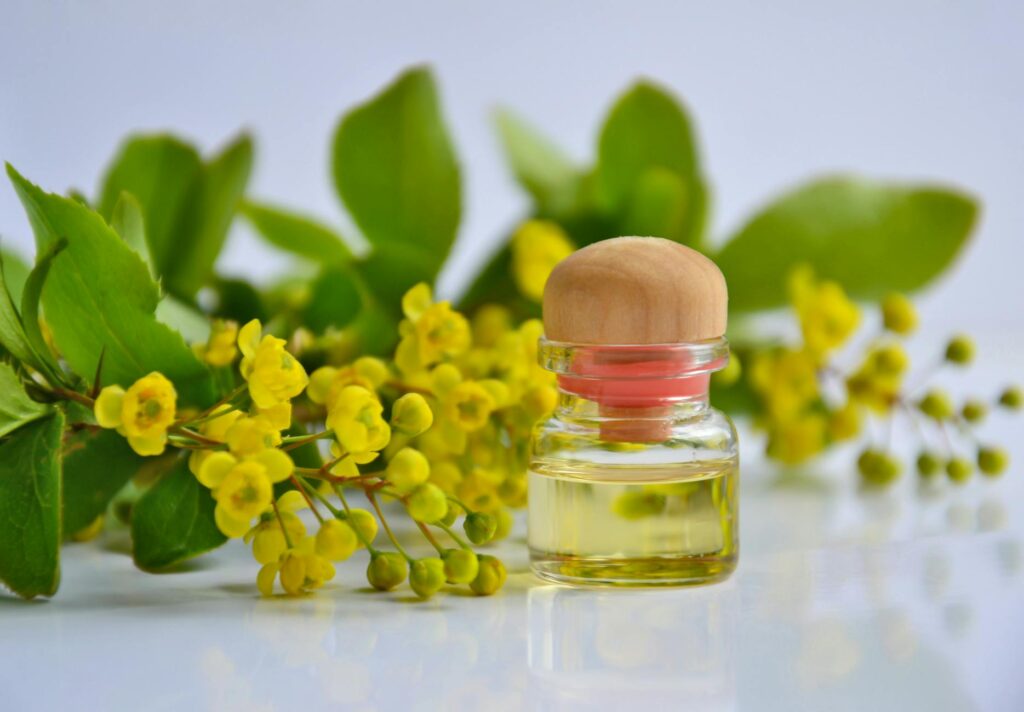
The extraction of cardamom oil is typically performed through steam distillation, yielding a pale yellow to light amber liquid with a warm, spicy, and slightly sweet aroma. Its scent is often described as balancing and uplifting, making it a popular choice in aromatherapy formulations.
Key Benefits and Properties
Cardamom oil is renowned for its diverse range of benefits and properties, which include:
1. Antioxidant Properties: Cardamom oil contains compounds that may help neutralize free radicals, contributing to overall health.
2. Digestive Support: Traditionally, cardamom has been used to aid digestion and alleviate gastrointestinal discomfort.
3. Mood Enhancer: The oil is believed to have uplifting effects, potentially helping to relieve feelings of stress and anxiety.
4. Respiratory Aid: Inhalation of cardamom oil may provide relief for respiratory issues, promoting clearer breathing.
5. Anti-inflammatory Effects: The oil has been associated with anti-inflammatory properties, which can be beneficial in various contexts.
6. Antimicrobial Properties: Cardamom oil may exhibit antimicrobial activity, making it a useful addition in formulations aimed at promoting cleanliness and hygiene.
Common Uses
Cardamom oil finds its way into various applications beyond aromatherapy due to its appealing scent and beneficial properties. Common uses include:
- Culinary Applications: In many cultures, cardamom is a popular spice used in cooking and baking. Cardamom oil can also be used as a flavoring agent in various culinary creations.
- Cosmetic Products: The oil is often incorporated into skincare and beauty products for its fragrance and potential skin benefits.
- Household Products: Cardamom oil is sometimes included in cleaning products and air fresheners for its pleasant aroma and potential antimicrobial properties.
- Traditional Medicine: In some cultures, cardamom is utilized in traditional medicinal practices for its various health benefits.
- Dilution: Always dilute essential oils with a carrier oil before applying them to the skin to minimize the risk of irritation.
- Patch Test: Conduct a patch test on a small area of skin before using a new essential oil to check for any adverse reactions.
- Pregnancy and Nursing: Pregnant or nursing women should consult a healthcare professional before using cardamom oil.
- Allergies: Individuals with known allergies to cardamom or related plants should avoid using the oil.
- Storage: Keep cardamom oil in a cool, dark place, away from direct sunlight to maintain its quality.
Aromatherapy Applications
In the context of aromatherapy, cardamom oil is particularly valued for its uplifting and balancing effects. Here are several ways it can be utilized:
1. Diffusion
One of the most common methods of using cardamom oil in aromatherapy is through diffusion. When diffused in a room, the oil can create a warm and inviting atmosphere, helping to uplift mood and reduce stress.
2. Inhalation
Direct inhalation of cardamom oil can be beneficial, especially during moments of anxiety or when focusing on mental clarity. Adding a few drops to a cotton ball or tissue and inhaling deeply can aid in relaxation.
3. Massage
When diluted with a carrier oil, cardamom oil can be used in massage therapy. The soothing scent combined with the physical benefits of massage can help alleviate tension and promote relaxation.
4. Bathing
Adding cardamom oil to a warm bath can create a luxurious and therapeutic experience. Its warm scent and potential skin benefits can enhance relaxation and rejuvenation.
5. Blending with Other Oils
Cardamom oil blends well with various other essential oils, such as lavender, bergamot, and cedarwood. These combinations can enhance the therapeutic effects and create a more complex aroma.
Safety Considerations
While cardamom oil is generally considered safe for most individuals, it is essential to follow certain precautions:
Storage and Shelf Life
Proper storage of cardamom oil is crucial for preserving its quality and effectiveness. Essential oils should be stored in dark glass containers to protect them from light and oxidation. The shelf life of cardamom oil is typically around 2 to 3 years, depending on storage conditions. It’s advisable to check for any changes in aroma or appearance before use, as these can indicate deterioration.
Frequently Asked Questions
What is the primary chemical composition of cardamom oil?
The primary constituents of cardamom oil include 1,8-cineole, alpha-terpineol, and linalool. These compounds contribute to its characteristic aroma and therapeutic properties.
Can cardamom oil be ingested?
While cardamom oil is used in culinary applications, it should not be ingested in concentrated forms without the guidance of a qualified professional. Always ensure that any oil intended for consumption is food-grade.
How can I incorporate cardamom oil into my daily routine?
Consider using cardamom oil in a diffuser during meditation or yoga, adding it to your skincare routine, or using it in a relaxing bath to experience its uplifting benefits.
Is cardamom oil suitable for children?
Caution should be exercised when using essential oils with children. It is advisable to consult a healthcare professional for guidance on appropriate use and dilution rates.
Can cardamom oil interact with other medications?
While cardamom oil is generally considered safe, it is always wise to consult with a healthcare provider if you are taking medications or have underlying health conditions.
Conclusion
Cardamom oil is a versatile and valuable addition to the world of aromatherapy. With its unique scent and potential benefits, it can enhance emotional and physical well-being when used thoughtfully. As with all essential oils, a respectful and informed approach to usage ensures that one can enjoy the many advantages cardamom oil has to offer. Whether through diffusion, inhalation, or topical application, cardamom oil remains a cherished element in the practice of aromatherapy.