
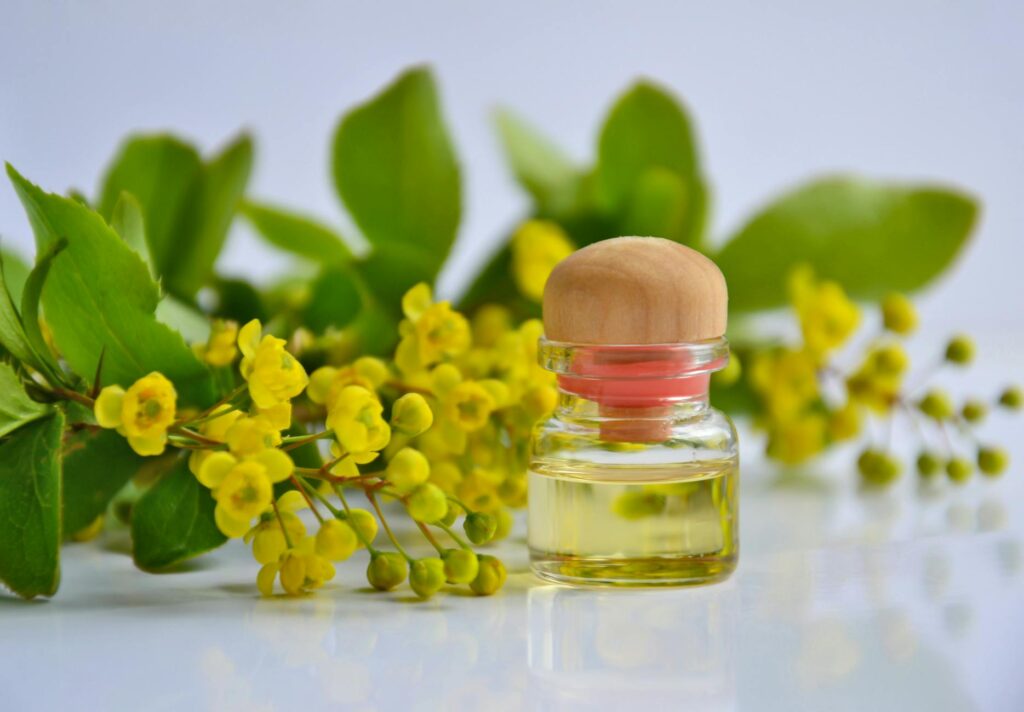
How Carrier Oils Are Used in Aromatherapy
Introduction
Aromatherapy, an ancient practice that utilizes the therapeutic properties of essential oils, has gained significant popularity in contemporary wellness culture. While essential oils are often the star of the show, carrier oils play a crucial supporting role in the safe and effective application of these concentrated plant extracts. This article aims to explore the nature of carrier oils, their benefits, common uses, applications in aromatherapy, safety considerations, and storage practices.
What Are Carrier Oils?
Carrier oils are vegetable oils derived from the fatty portions of plants, typically obtained through pressing seeds, nuts, or fruits. Unlike essential oils, which are volatile and highly concentrated, carrier oils are non-volatile and provide a neutral base for diluting essential oils. This dilution not only makes essential oils safer for topical use but also enhances their absorption into the skin.
Common examples of carrier oils include:
- Sweet Almond Oil: Known for its moisturizing properties, it is often used for dry skin.
- Coconut Oil: A versatile oil that solidifies at lower temperatures and is favored for its nourishing qualities.
- Jojoba Oil: Closely resembling human sebum, it is excellent for balancing oily skin.
- Grapeseed Oil: A light oil that is easily absorbed, suitable for all skin types.
- Olive Oil: Rich in antioxidants, it is often used for its emollient properties.
Key Benefits and Properties
Carrier oils offer several benefits that make them indispensable in aromatherapy:
1. Dilution of Essential Oils
Essential oils are potent and can cause skin irritation or allergic reactions if used undiluted. Carrier oils effectively dilute essential oils to safe concentrations.
2. Skin Nourishment
Many carrier oils are rich in vitamins and fatty acids, providing nourishment and hydration to the skin. For instance, argan oil is known for its high vitamin E content, making it an excellent choice for skin repair.
3. Enhanced Absorption
Carrier oils can facilitate the absorption of essential oils into the skin, maximizing their therapeutic effects. They create a lipid barrier that allows essential oils to penetrate the skin more effectively.
4. Versatility
Carrier oils can be chosen based on individual skin types and desired effects. For example, heavier oils like avocado oil are beneficial for dry skin, while lighter oils like fractionated coconut oil are suitable for oily skin.
Common Uses
Carrier oils are utilized in various ways, making them versatile components in aromatherapy:
1. Massage Therapy
Carrier oils are commonly used in massage therapy to dilute essential oils. This combination enhances relaxation and alleviates tension while providing skin nourishment.
2. Skincare Products
Many homemade skincare products, such as lotions, creams, and serums, incorporate carrier oils as a base. They help to retain moisture and improve skin texture.
3. Bath Oils
Carrier oils can be added to bath water along with essential oils to create a soothing and therapeutic bathing experience. They help disperse the essential oils in water, making them safer to use.
4. DIY Aromatherapy Blends
When creating custom aromatherapy blends, carrier oils act as a medium for diluting essential oils, allowing for personalized formulations tailored to individual preferences.
Aromatherapy Applications
The application of carrier oils in aromatherapy is diverse and can be categorized into several methods:
1. Topical Application
When applied directly to the skin, diluted essential oils mixed with carrier oils can target specific areas for relief or relaxation. Common applications include pain relief, skin conditions, and relaxation.
2. Inhalation
While carrier oils are not typically used for inhalation, they can be used in diffuser blends that include essential oils. The carrier helps dilute the essential oils for a safer aromatic experience.
3. Compresses
Carrier oils can be used in warm or cold compresses to alleviate discomfort or inflammation. Soaking a cloth in a mixture of carrier oil and essential oils before applying it to the affected area can provide relief.
4. Aromatherapy Jewelry
Some aromatherapy jewelry, such as diffusing necklaces or bracelets, may incorporate carrier oils to help retain the scent of essential oils longer.
Safety Considerations
While carrier oils are generally safe, several considerations should be kept in mind:
1. Allergies and Sensitivities
Individuals should conduct a patch test before applying a new carrier oil to the skin. This is especially important for those with known allergies to nuts or seeds.
2. Quality of Oils
The quality of carrier oils can significantly impact their effectiveness. It is advisable to use cold-pressed, organic oils whenever possible, as they retain the most nutrients.
3. Dilution Ratios
When mixing essential oils with carrier oils, it is essential to adhere to recommended dilution ratios. A common guideline is to use a 2% dilution (approximately 12 drops of essential oil per ounce of carrier oil) for general use.
4. Storage
Carrier oils can spoil over time, especially if not stored properly. It’s essential to follow storage guidelines to maintain their quality.
Storage and Shelf Life
Proper storage of carrier oils is crucial to extending their shelf life:
1. Storage Conditions
Carrier oils should be stored in a cool, dark place away from direct sunlight and heat sources. Dark glass containers can help protect oils from light exposure.
2. Shelf Life
The shelf life of carrier oils varies based on their composition. Generally, lighter oils have shorter shelf lives, ranging from 6 months to 2 years, while heavier oils may last up to 3 years. It is advisable to check for rancidity before use.
3. Refrigeration
Some carrier oils, especially those high in polyunsaturated fats, benefit from refrigeration to prolong freshness. However, this is not necessary for all types of oil.
Frequently Asked Questions
1. Can I use essential oils without carrier oils?
It is not recommended to use essential oils undiluted on the skin, as they can cause irritation or sensitization. Always dilute essential oils with a carrier oil before topical application.
2. How do I choose a carrier oil for my skin type?
Selecting a carrier oil depends on your skin type. For oily skin, lighter oils such as grapeseed or jojoba are ideal. For dry skin, consider heavier oils like avocado or olive oil.
3. How do I make my own aromatherapy blend?
To create an aromatherapy blend, start with a carrier oil and add your chosen essential oils according to the recommended dilution ratios. Mix well and store in a dark glass bottle.
4. Are there any carrier oils that should be avoided?
Individuals with nut allergies should avoid nut-based carrier oils, such as almond or hazelnut oil. Always check for personal sensitivities before use.
5. Can I mix different carrier oils?
Yes, blending different carrier oils can offer various benefits. Combining oils can enhance properties and create a personalized blend tailored to specific needs.
Conclusion
Carrier oils are indispensable tools in the practice of aromatherapy, providing a safe and effective means of delivering essential oils for therapeutic benefits. Understanding their properties, benefits, and applications can empower individuals to harness the full potential of aromatherapy in their wellness routines. By choosing quality oils, adhering to safety guidelines, and exploring creative blends, one can cultivate a holistic approach to health and well-being through the art of aromatherapy.