
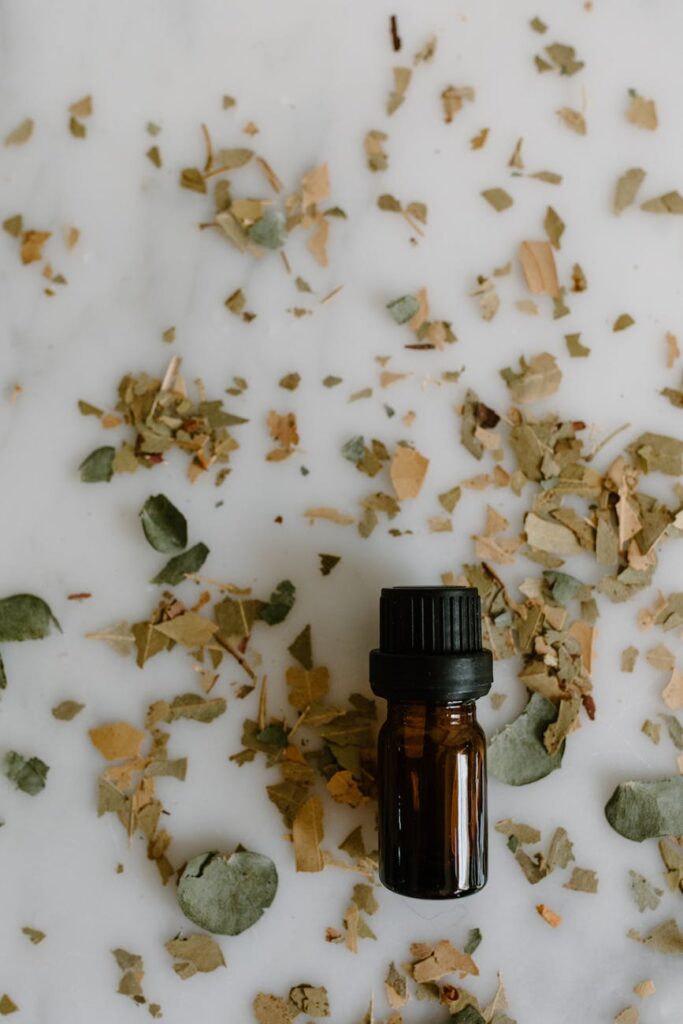
How Cinnamon Oil Is Used in Aromatherapy
Introduction
Aromatherapy, the practice of using essential oils for therapeutic benefits, has gained popularity worldwide as a holistic approach to wellness. One essential oil that has captured the interest of many is cinnamon oil. Extracted from the bark, leaves, or twigs of the cinnamon tree, this oil is celebrated for its warm, spicy aroma and its potential to enhance emotional and physical well-being. This article delves into the various aspects of cinnamon oil, including its properties, benefits, applications in aromatherapy, and safety considerations.
What Is Cinnamon Oil?
Cinnamon oil is an essential oil derived from the Cinnamomum verum (also known as Cinnamomum zeylanicum) or Cinnamomum cassia species of trees. These trees are native to regions such as Sri Lanka and China. The oil is typically extracted through steam distillation or cold pressing, yielding a versatile substance that can be used in various ways.
There are two primary types of cinnamon oil: Ceylon cinnamon oil and Cassia cinnamon oil. Ceylon cinnamon is often considered the “true” cinnamon, characterized by its sweet, delicate flavor and aroma, while Cassia cinnamon is more pungent and commonly used in commercial products. Both types possess unique properties and benefits, making them valuable in aromatherapy.
Key Benefits and Properties
Cinnamon oil is rich in bioactive compounds, including cinnamaldehyde, eugenol, and various flavonoids, which contribute to its distinct scent and potential therapeutic properties. Here are some of the key benefits associated with cinnamon oil in aromatherapy:
1. Antimicrobial Properties: Cinnamon oil has been studied for its ability to inhibit the growth of certain bacteria and fungi. This quality makes it a popular choice in natural cleaning products and air fresheners.
2. Mood Enhancement: The warm, spicy aroma of cinnamon oil is believed to promote feelings of comfort and relaxation. Many people use it during meditation or yoga practices to create a calming atmosphere.
3. Stimulating Effects: Cinnamon oil is often regarded as an invigorating essential oil. Its scent is thought to enhance focus, concentration, and mental clarity, making it a great addition to study or work environments.
4. Support for Digestive Health: While not a substitute for medical treatments, cinnamon oil is sometimes used in aromatherapy to support healthy digestion and relieve discomfort.
5. Anti-inflammatory Properties: Some compounds found in cinnamon oil are believed to possess anti-inflammatory effects, which may contribute to overall well-being.
6. Aphrodisiac Qualities: The warm and inviting scent of cinnamon oil has been associated with stimulating romantic feelings and desires, often used in blends for intimate settings.
Common Uses
Cinnamon oil can be utilized in various ways within aromatherapy. Here are some common methods of use:
- Diffusion: One of the most popular methods for enjoying cinnamon oil is through a diffuser. Adding a few drops of the oil to a diffuser can fill a room with its warm aroma, enhancing the ambiance.
- Topical Application: When diluted with a carrier oil, cinnamon oil can be applied to the skin. This method can be particularly effective for localized benefits, such as soothing sore muscles or enhancing circulation.
- Inhalation: Direct inhalation of cinnamon oil can be done by placing a few drops on a cotton ball or tissue and breathing in the aroma. This method is quick and effective for immediate mood enhancement or stimulation.
- Bathing: Adding cinnamon oil to a warm bath can create a soothing and aromatic experience. The oil can be mixed with Epsom salts or a carrier oil to facilitate even distribution in water.
- Candle Making and Potpourri: Cinnamon oil is often used in homemade candles and potpourri, providing a delightful scent that evokes a sense of warmth and coziness.
- Dilution: Cinnamon oil is potent and should always be diluted with a carrier oil before topical application to prevent skin irritation. A common ratio is one part cinnamon oil to three parts carrier oil.
- Skin Sensitivity: Perform a patch test before using cinnamon oil on larger skin areas. Apply a small diluted amount to a discreet area and wait 24 hours to check for any adverse reactions.
- Avoiding Sensitive Areas: Cinnamon oil should not be applied near the eyes, mucous membranes, or any open wounds.
- Pregnancy and Nursing: Pregnant or nursing individuals should consult a healthcare professional before using essential oils, including cinnamon oil.
- Children: Essential oils should be used with caution around children. Always consult a qualified professional for age-appropriate uses.
Aromatherapy Applications
Cinnamon oil can be incorporated into various aromatherapy practices. Here are several ways it can be used:
1. Blending with Other Oils: Cinnamon oil blends well with other essential oils, such as orange, clove, and cedarwood, enhancing the overall aromatic experience. These blends can be used in diffusers, massage oils, or personal care products.
2. Meditation and Mindfulness: Incorporating cinnamon oil into meditation practices can help create a comforting environment, allowing individuals to focus and enhance their mindfulness.
3. Seasonal Affective Disorder (SAD): During the colder months, the warm scent of cinnamon can evoke feelings of nostalgia and comfort, making it a popular choice for combating seasonal mood changes.
4. Holiday Aromatherapy: Cinnamon oil is often associated with festive occasions. It can be used in holiday-themed blends, enhancing the atmosphere of gatherings and celebrations.
5. Spiritual Practices: Some individuals use cinnamon oil in spiritual rituals or ceremonies, believing that its aroma can help create an atmosphere conducive to connection and reflection.
Safety Considerations
While cinnamon oil offers a range of potential benefits, it is essential to use it safely. Here are some key safety considerations:
Storage and Shelf Life
Proper storage of cinnamon oil is crucial to maintain its quality and effectiveness. Here are some tips for storing cinnamon oil:
1. Cool, Dark Place: Store cinnamon oil in a cool, dark place away from direct sunlight. Exposure to light and heat can degrade the oil’s quality.
2. Tight-Sealing Containers: Use tightly sealed glass or amber bottles to prevent oxidation and contamination.
3. Shelf Life: When stored properly, cinnamon oil typically has a shelf life of 1 to 2 years. Signs of degradation may include changes in color, viscosity, or scent.
Frequently Asked Questions
1. Can cinnamon oil be ingested?
Cinnamon oil is not generally recommended for ingestion unless under the guidance of a qualified healthcare professional. Essential oils are highly concentrated and may cause adverse reactions if consumed without proper knowledge.
2. Is cinnamon oil safe for pets?
Cinnamon oil may not be safe for all pets. It is advisable to consult a veterinarian before using any essential oils around animals, as some may have sensitivities or adverse reactions to certain oils.
3. How can I make a cinnamon oil blend for relaxation?
To create a calming blend, mix 3 drops of cinnamon oil with 3 drops of lavender oil and 2 drops of sweet orange oil. Add this mixture to a diffuser or dilute it in a carrier oil for topical use.
4. Can I use cinnamon oil in a facial steam?
Yes, you can add a few drops of cinnamon oil to a bowl of hot water for a facial steam. However, ensure that it is properly diluted and that you maintain a safe distance to avoid skin irritation.
5. How does cinnamon oil affect mood?
The warm and spicy aroma of cinnamon oil is believed to evoke feelings of comfort and security, contributing to mood enhancement. It may also promote mental clarity and focus, making it a popular choice in stress-relief practices.
Conclusion
Cinnamon oil is a remarkable essential oil with a rich history and a variety of applications in aromatherapy. Its warm aroma and potential benefits make it a popular choice for enhancing emotional well-being, supporting mental clarity, and creating a comforting atmosphere. By understanding its properties, uses, and safety considerations, individuals can effectively incorporate cinnamon oil into their holistic wellness practices. Whether used in diffusion, topical applications, or blends, cinnamon oil can enrich daily life with its inviting scent and potential therapeutic properties.