
How Emotional Balance Blends Is Used in Aromatherapy
Introduction
Aromatherapy, the practice of using essential oils to enhance physical and emotional well-being, has gained significant traction in recent years. Among the myriad of essential oil combinations available, Emotional Balance Blends stand out for their potential to assist in achieving emotional equilibrium. This article explores what Emotional Balance Blends are, their key benefits and properties, common uses, various applications in aromatherapy, safety considerations, and storage guidelines.
What Is Emotional Balance Blends?
Emotional Balance Blends are specific formulations of essential oils designed to promote emotional stability and mental clarity. These blends typically include a harmonious mix of oils known for their calming, uplifting, or grounding properties. The exact composition can vary, but common ingredients often include oils such as lavender for relaxation, bergamot for uplifting moods, and frankincense for grounding.
These blends are crafted to target emotional states such as anxiety, stress, sadness, or irritability, offering a holistic approach to emotional well-being. They are often used not only for their fragrance but also for their therapeutic properties, working on both a physiological and psychological level.
Key Benefits and Properties
The benefits of Emotional Balance Blends can be both profound and varied. Some of the key properties include:
- Stress Reduction: Many essential oils in these blends possess calming properties that help reduce stress and anxiety. Oils like chamomile and ylang-ylang are known for their soothing effects.
- Mood Enhancement: Oils such as sweet orange and bergamot can uplift mood, making these blends effective for combating feelings of sadness or lethargy.
- Emotional Clarity: Certain oils, such as frankincense and cedarwood, can help clear mental fog and promote emotional clarity, allowing individuals to process emotions more effectively.
- Grounding Effects: Grounding oils like vetiver and patchouli provide a sense of stability, helping to anchor emotions during turbulent times.
- Enhanced Relaxation: Blends that include lavender or marjoram can promote relaxation, making them ideal for use before sleep or during meditation.
- Diffusion: One of the most popular ways to use these blends is through a diffuser, which disperses the essential oils into the air, allowing for easy inhalation.
- Topical Application: Many users apply diluted blends directly to the skin, typically on pulse points like wrists, neck, or behind the ears. This allows for both inhalation and absorption through the skin.
- Bathing: Adding a few drops of an Emotional Balance Blend to a warm bath can create a calming atmosphere, promoting relaxation and stress relief.
- Meditation: Using these blends during meditation can deepen the experience, helping to clear the mind and enhance emotional awareness.
- Massage: Incorporating these blends into massage oils can provide both physical and emotional benefits, as the oils penetrate the skin while their aroma calms the mind.
- Dilution: Essential oils should be diluted with a carrier oil before topical application to prevent skin irritation. A general guideline is to use 1-2 drops of essential oil per teaspoon of carrier oil.
- Allergies: Conduct a patch test prior to widespread use to check for allergic reactions. Apply a small amount of the diluted blend to an inconspicuous area of skin and wait 24 hours.
- Pregnancy and Nursing: Certain essential oils may not be safe for pregnant or nursing women. Always consult with a healthcare provider before use in these situations.
- Children and Pets: Some essential oils can be harmful to children and pets. It is advisable to research specific oils and consult with a knowledgeable professional.
- Quality of Oils: Use high-quality, pure essential oils from reputable sources to ensure safety and efficacy. Synthetic or adulterated oils may not provide the desired effects and can pose health risks.
- Dark Glass Bottles: Essential oils should be stored in dark glass bottles to protect them from light, which can degrade their quality over time.
- Cool, Dry Place: Keep the oils in a cool, dry place, away from direct sunlight and heat sources. A cabinet or drawer is ideal.
- Tight Seals: Ensure that bottles are tightly sealed to prevent evaporation and oxidation.
- Shelf Life: The shelf life of essential oils can vary, generally ranging from 1 to 5 years, depending on the oil. Citrus oils typically have a shorter shelf life, while oils like patchouli and vetiver can last longer.
Common Uses
Emotional Balance Blends have a variety of applications, making them versatile tools for enhancing emotional health. Here are some common uses:
Aromatherapy Applications
The application of Emotional Balance Blends can differ based on individual preferences and specific emotional needs. Here are some popular methods:
1. Inhalation
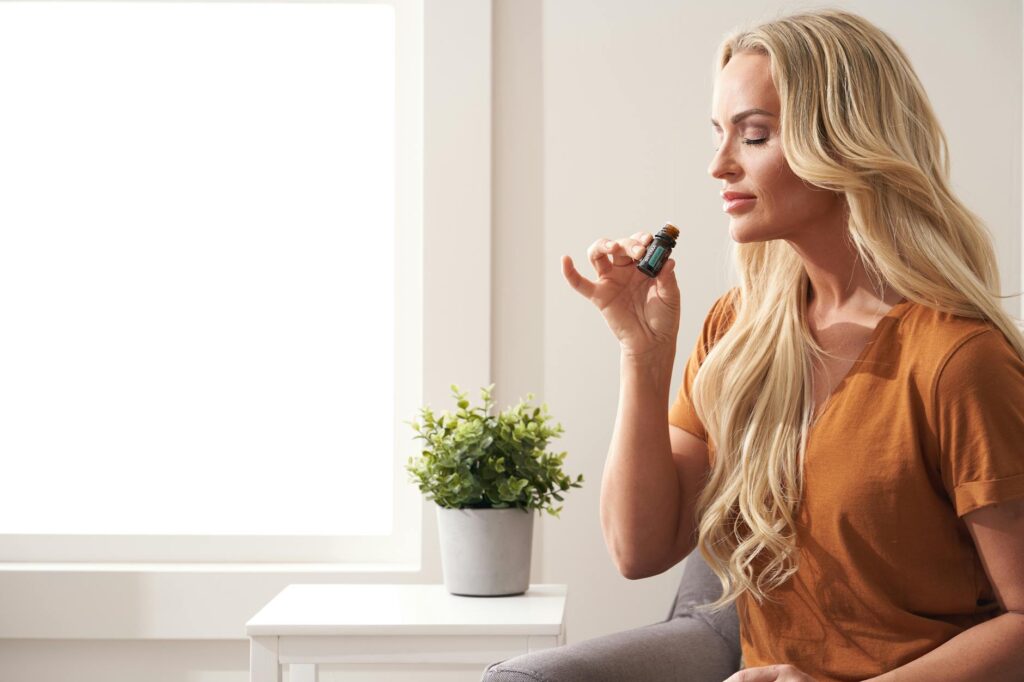
Inhalation is one of the simplest and most effective ways to experience the benefits of Emotional Balance Blends. Individuals can place a few drops on a tissue or cotton ball and inhale deeply. This method is particularly useful in moments of acute stress or anxiety.
2. Diffusers
Using an essential oil diffuser allows for the even dispersal of the blend throughout a room. This method can create a calming environment, making it suitable for homes, workplaces, or wellness centers.
3. Roller Bottles
Creating a roller bottle blend for topical application is a convenient way to carry Emotional Balance Blends on-the-go. A simple recipe might include a base of carrier oil, like jojoba or sweet almond oil, mixed with a few drops of your chosen essential oils.
4. Steam Inhalation
For a more intense inhalation experience, steam inhalation can be beneficial. Adding a few drops of an Emotional Balance Blend to a bowl of hot water, covering the head with a towel, and inhaling the steam can provide immediate relief.
5. Scented Candles
Incorporating Emotional Balance Blends into homemade candles can create a soothing atmosphere. As the candle burns, it releases the therapeutic properties of the oils, enhancing the ambiance.
Safety Considerations
While Emotional Balance Blends can offer numerous benefits, it is essential to consider safety when using essential oils:
Storage and Shelf Life
Proper storage of Emotional Balance Blends is crucial to maintain their potency and safety. Here are some storage tips:
Frequently Asked Questions
1. Can Emotional Balance Blends help with depression?
While Emotional Balance Blends can promote emotional well-being, they should not be considered a substitute for professional mental health treatment. Always consult a healthcare provider for concerns regarding depression.
2. How often should I use Emotional Balance Blends?
Usage can vary based on individual preference and needs. Many people use these blends daily or as needed, particularly during stressful situations.
3. Are there any specific blends recommended for anxiety?
While specific blends may vary, popular choices for anxiety often include lavender, chamomile, and bergamot. These oils are known for their calming properties.
4. How do I know which blend is right for me?
Selecting a blend often involves personal exploration. Consider your current emotional state and what you hope to achieve. Sampling different blends can help you identify what resonates best with you.
5. Can I create my own Emotional Balance Blend?
Yes, creating a personalized blend can be a rewarding experience. Start by researching essential oils that align with your emotional goals, and experiment with different combinations until you find one that suits your needs.
Conclusion
Emotional Balance Blends offer a unique approach to emotional health through the use of essential oils. Their potential to promote stress reduction, mood enhancement, and emotional clarity makes them valuable tools in the practice of aromatherapy. With proper use, safety considerations, and an understanding of individual needs, these blends can provide support on the journey toward emotional balance and well-being.